



Seven thousand-year-old wooden fish traps found in southern Norway are changing views of life before farming. The finds show Mesolithic hunter-fisher-gatherers moved brown trout into mountain lakes around 5000 BCE. They shaped local ecosystems thousands of years before crops and livestock reached the region.

The study centers on Lake Tesse in the mountains of inland southern Norway. After the Fennoscandian Ice Sheet melted around 8000 BCE, people settled across the highlands. Fish could not follow. Waterfalls and steep rivers blocked trout from reaching many upland lakes, leaving those waters empty.
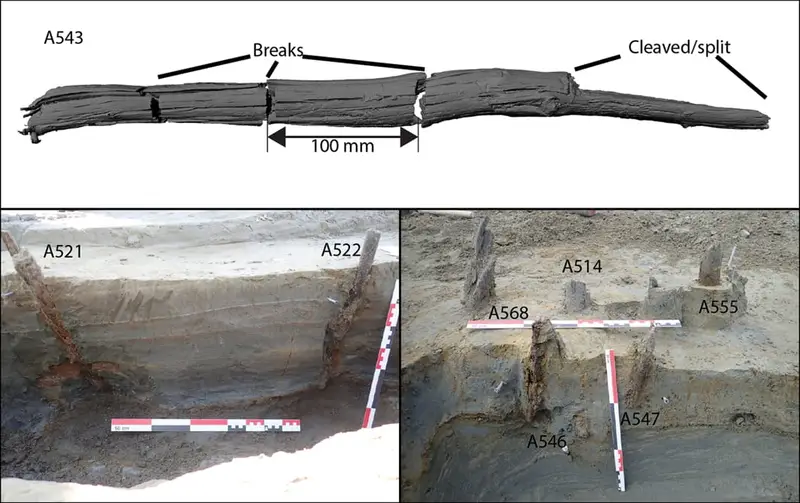
For more than 100 years, researchers believed mountain trout came from fish carried by people. The missing piece was the date. Four wooden fish traps found on the exposed bed of Lake Tesse helped answer the question.
Radiocarbon dating placed the oldest trap at about 5000 BCE. Brown trout could not reach Lake Tesse through natural routes. People had already moved the fish into the lake before those traps were built. The evidence links fish stocking and fishing activity during the Mesolithic period.

Brown trout made a good food source. They grow large, contain plenty of calories, and are easier to catch than many freshwater fish. Moving trout into empty lakes created new fishing grounds near camps and travel routes. The traps suggest people returned to harvest those waters over many years.
The timing stands out. Farming had not reached Scandinavia around 5000 BCE. These communities lived by hunting, fishing, and gathering wild plants. Even without farming, they changed their surroundings to make food supplies more reliable. Researchers describe this as an early form of food production because people placed fish into lakes and later caught them for food.

The work shows careful planning rather than chance. Carrying live fish across mountain landscapes took time and effort. People had a clear goal. They wanted lakes with steady fish stocks for future use.
The effects lasted for thousands of years. Brown trout released during the Mesolithic continued breeding through later periods. People still catch trout in Lake Tesse today, and those fish descend from the first populations placed there by humans.
The wooden traps add rare physical evidence to support this story. Wood from the Mesolithic rarely survives, making these finds unusual. Together with the radiocarbon dates, the traps show hunter-fisher-gatherers shaped mountain landscapes long before farming spread across northern Europe.