


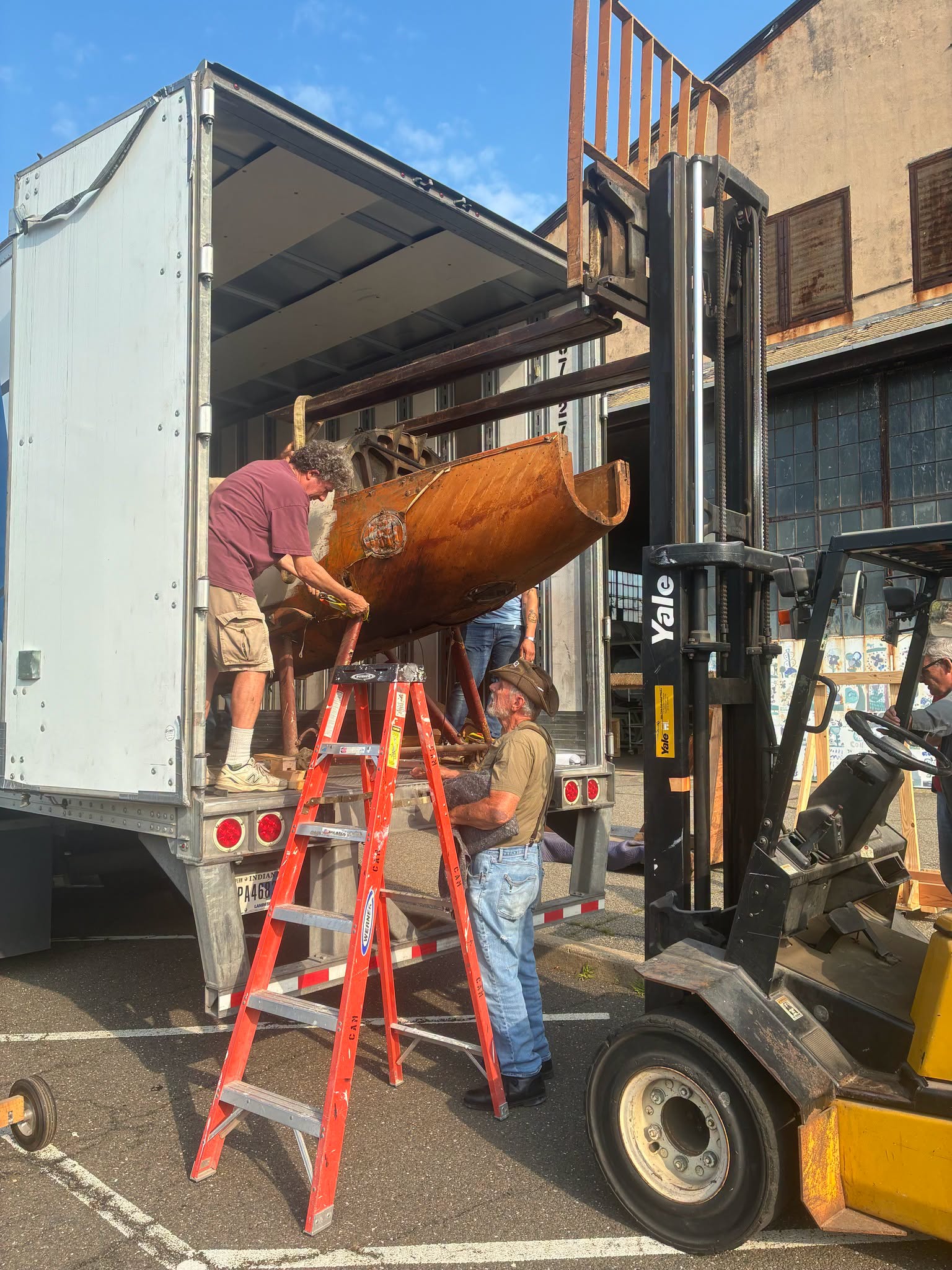
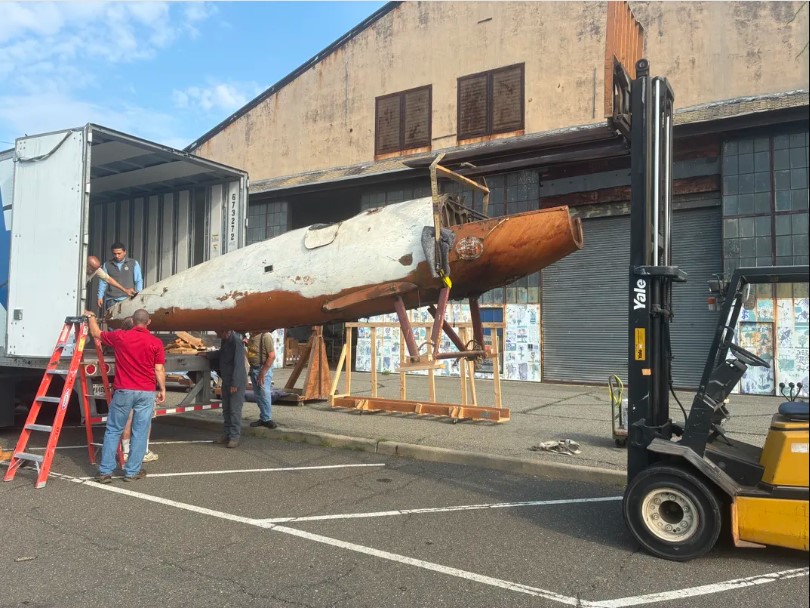
After a cross-country journey from Washington state, a Curtiss Oriole arrives at the Cradle of Aviation Museum in Garden City, New York, for restoration and display in the same city where it was built more than 100 years earlier. (Image credit: Cradle of Aviation Museum)
As discussed in our earlier article, the Cradle of Aviation Museum’s new Curtiss Oriole was originally built in Garden City on New York’s Long Island, the same city where the Cradle of Aviation Museum now occupies the old hangars of the former Mitchel Air Force Base. The museum’s Oriole was exported to Argentina around 1931, where it was registered as R-197 and was one of two Curtiss Orioles, R-110 “San Lorenzo” and R-197 “Pajáro Blanco”, flown by a pioneering airmail pilot named Norberto Fernandez (1912-1949), who was nicknamed the “Patagonian Condor”. The aircraft was later delisted from the Argentine civil aviation registry by December 1938 and following Fernandez’s death in a plane crash in 1949, his two Orioles were acquired by famed Hollywood pilot Paul Mantz and kept in storage alongside a third Curtiss Oriole before being acquired by Kermit Weeks, and later being used as part of a Curtiss Oriole restoration project at Century Aviation in East Wenatchee, Washington before being delivered to the COAM in July 2026.Go Ad-Free
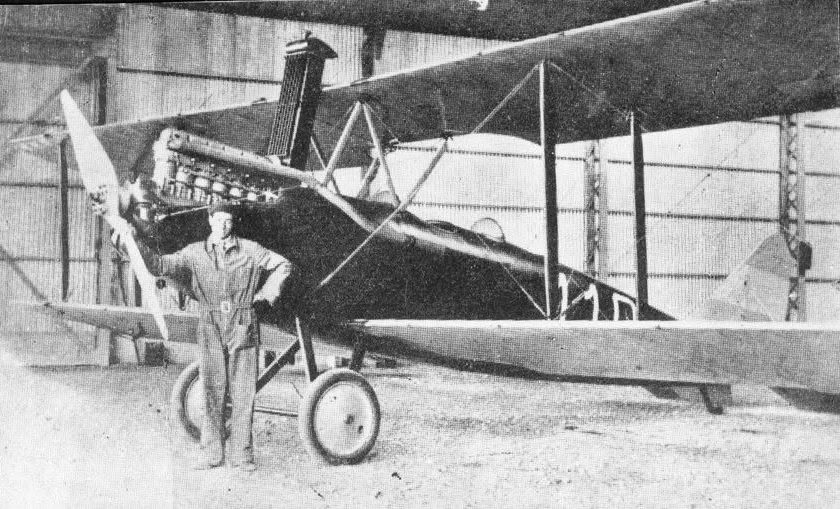
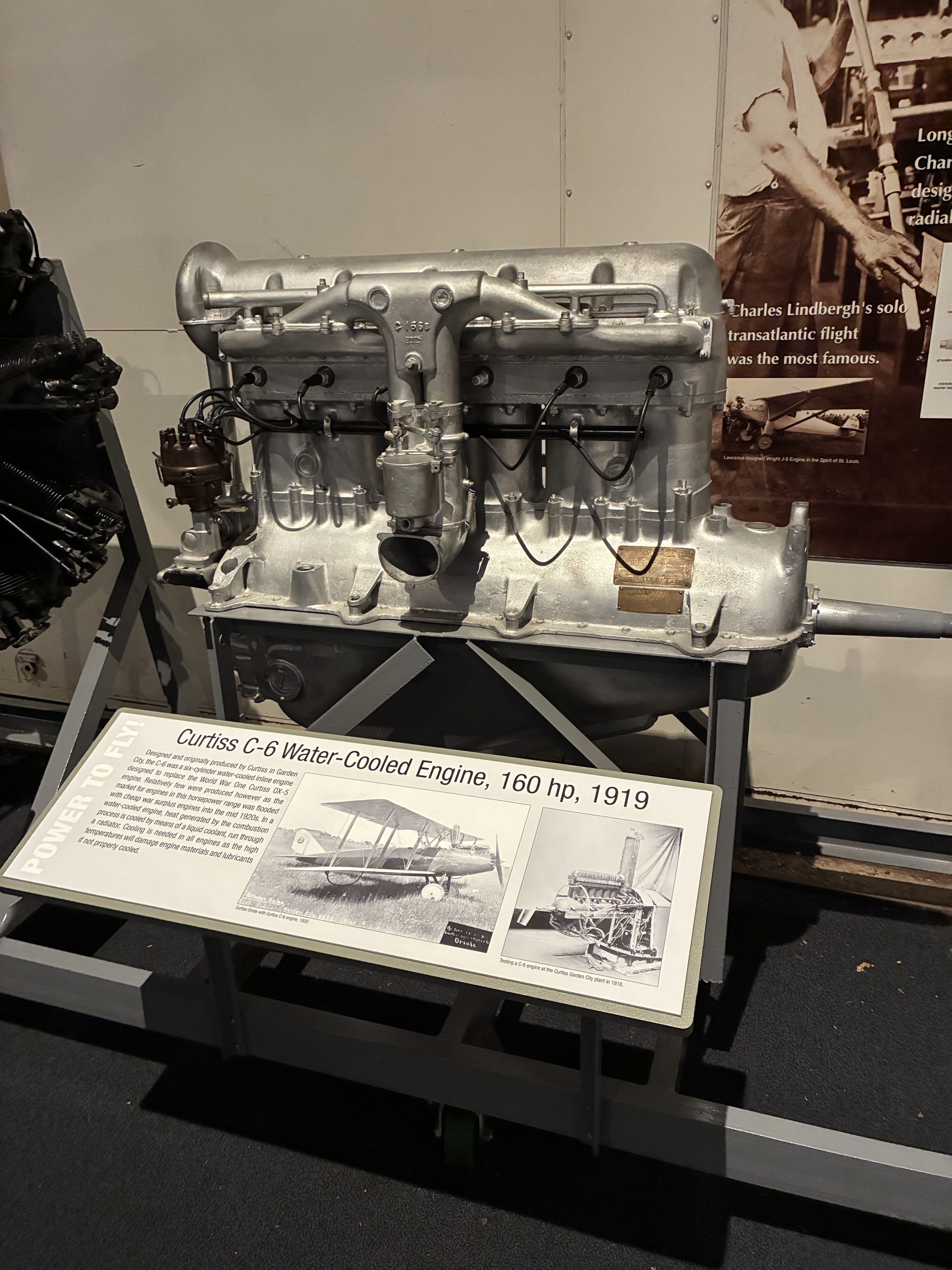
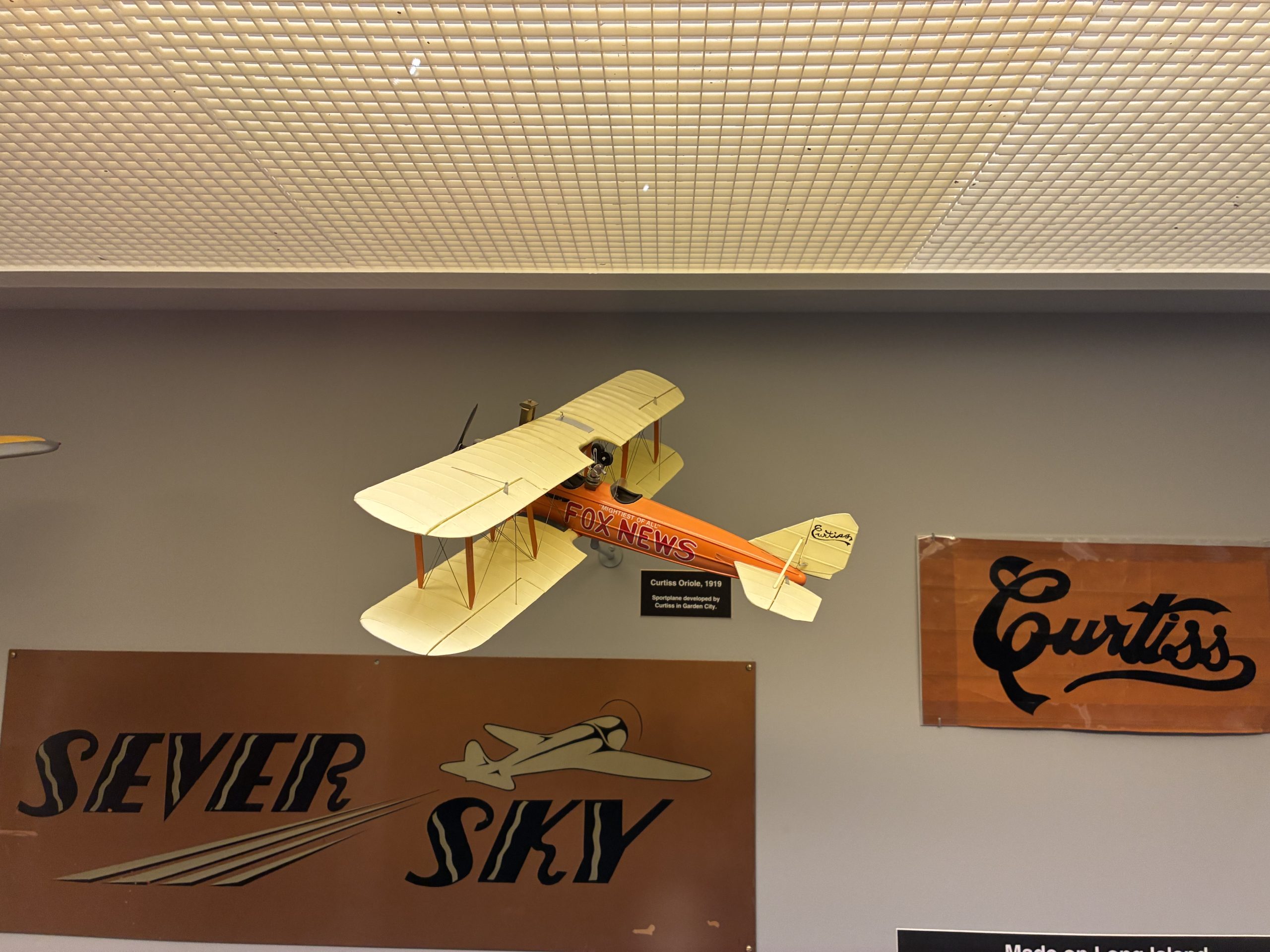
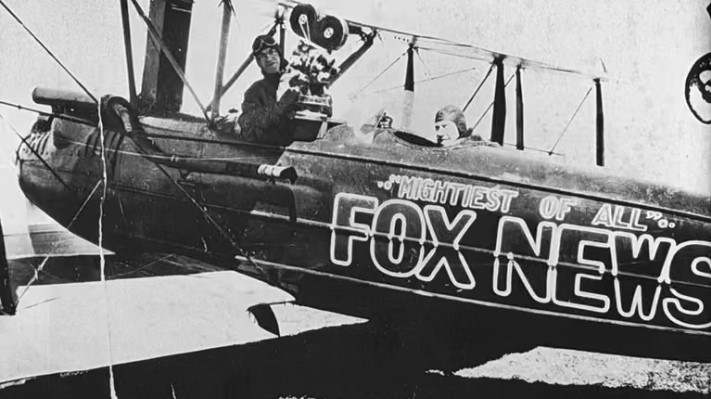
The museum already has a 160hp Curtiss C-6 inline engine of the type used to power the Curtiss Oriole, which is currently on exhibit at the museum, but is eventually set to be installed in the museum’s Curtiss Oriole. The museum also displays a scale model of a Curtiss Oriole that was used as a camera plane by the Fox Film Corporation’s Movietone News, which showed newsreels of current events in movie theaters across the United States. The newsreel service was referred to in shorthand as Fox News (no relation to the modern-day network). Since Curtiss Orioles were used to fly cameramen for Movietone News to the most newsworthy events of the day, and were often flown from airfields on Long Island, the museum will be repainting their Oriole to represent one of these aircraft.Go Ad-Free
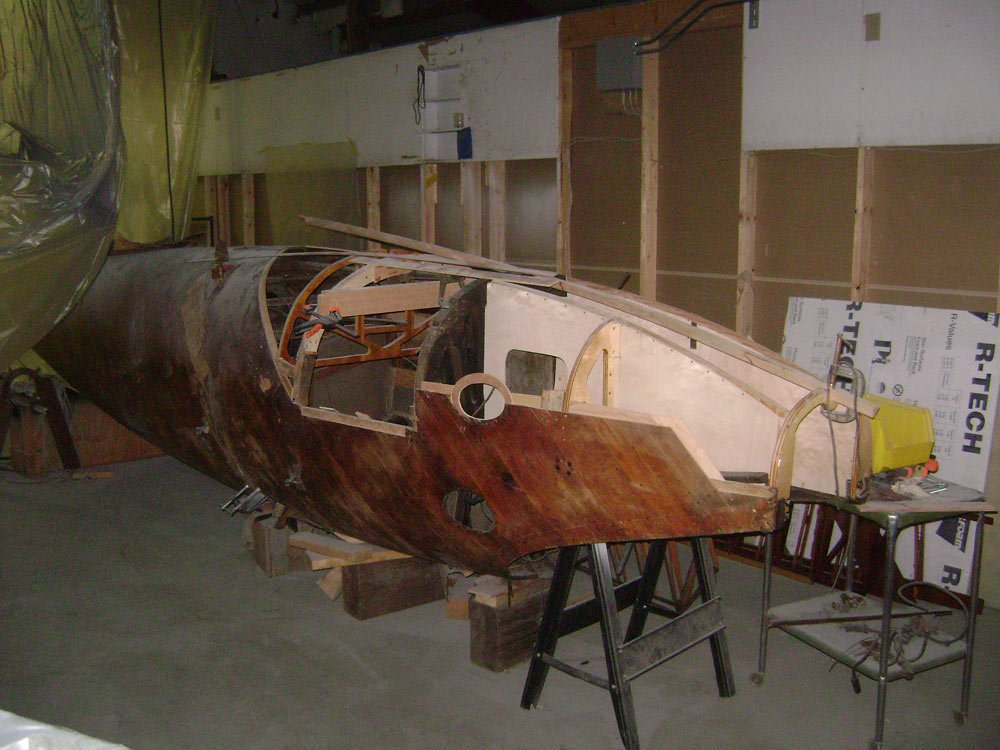
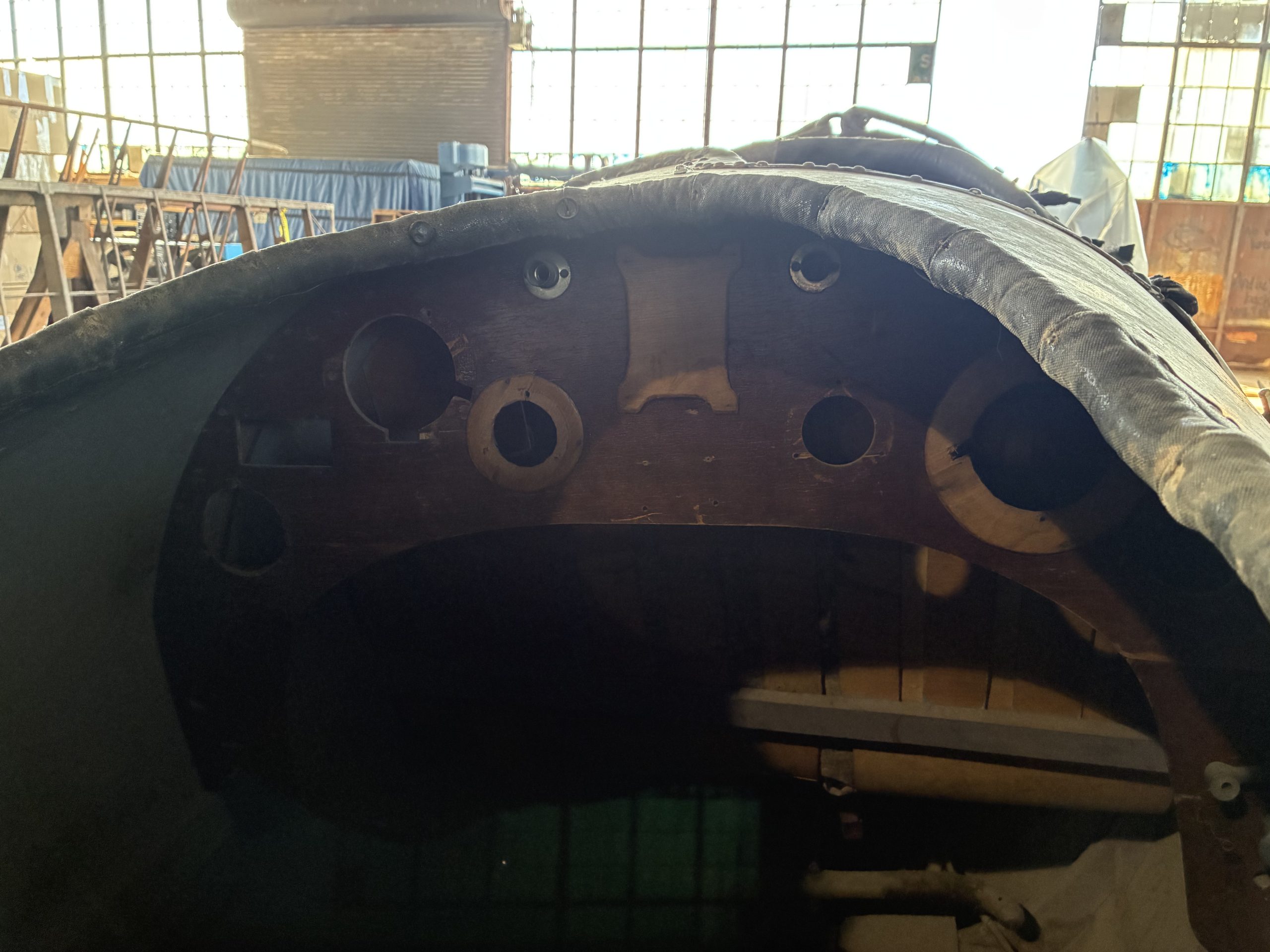
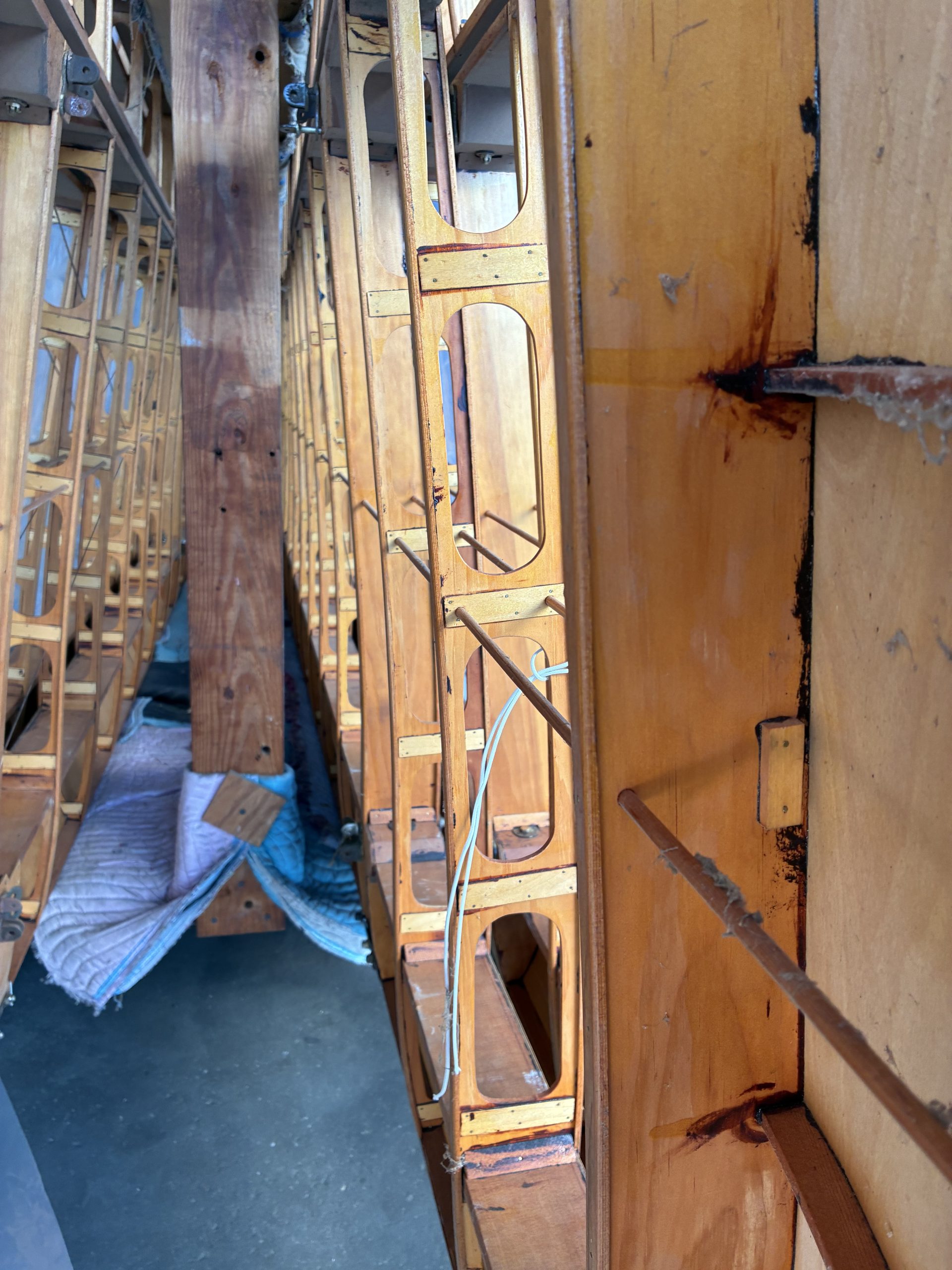
Regarding the current state of the aircraft, the Cradle of Aviation Museum received up to 90% of the airframe, and intends to preserve as much of the original airframe as possible for this restoration. Curator Joshua Stoff says of the aircraft: “The wings look mostly original, and were already restored. The fuselage has a couple holes in it and some rot but otherwise the wood is mostly good and a relatively easy restoration.” Stoff also states that the COAM has received most of the original struts, and missing examples will be replicated for the Oriole.
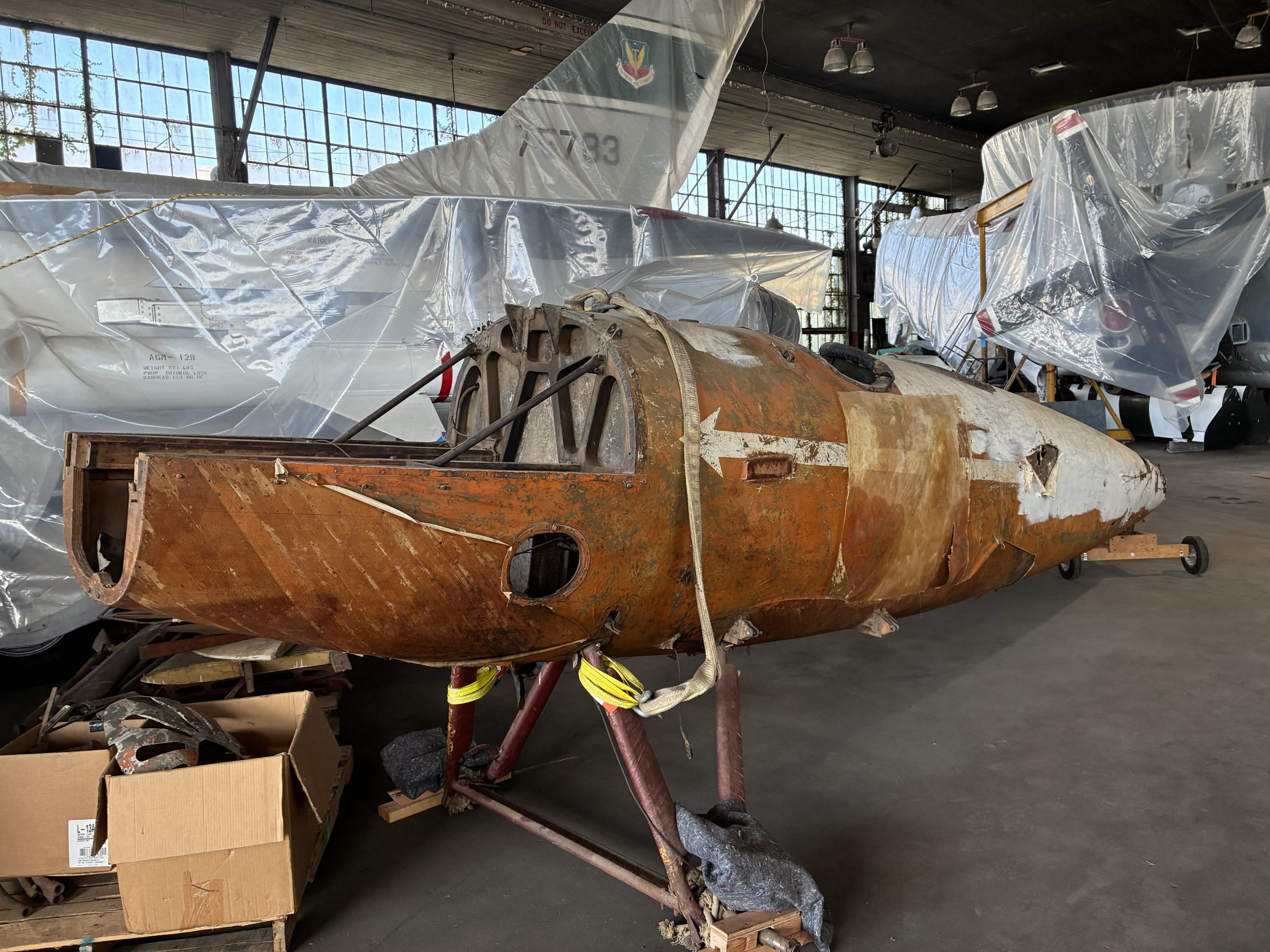
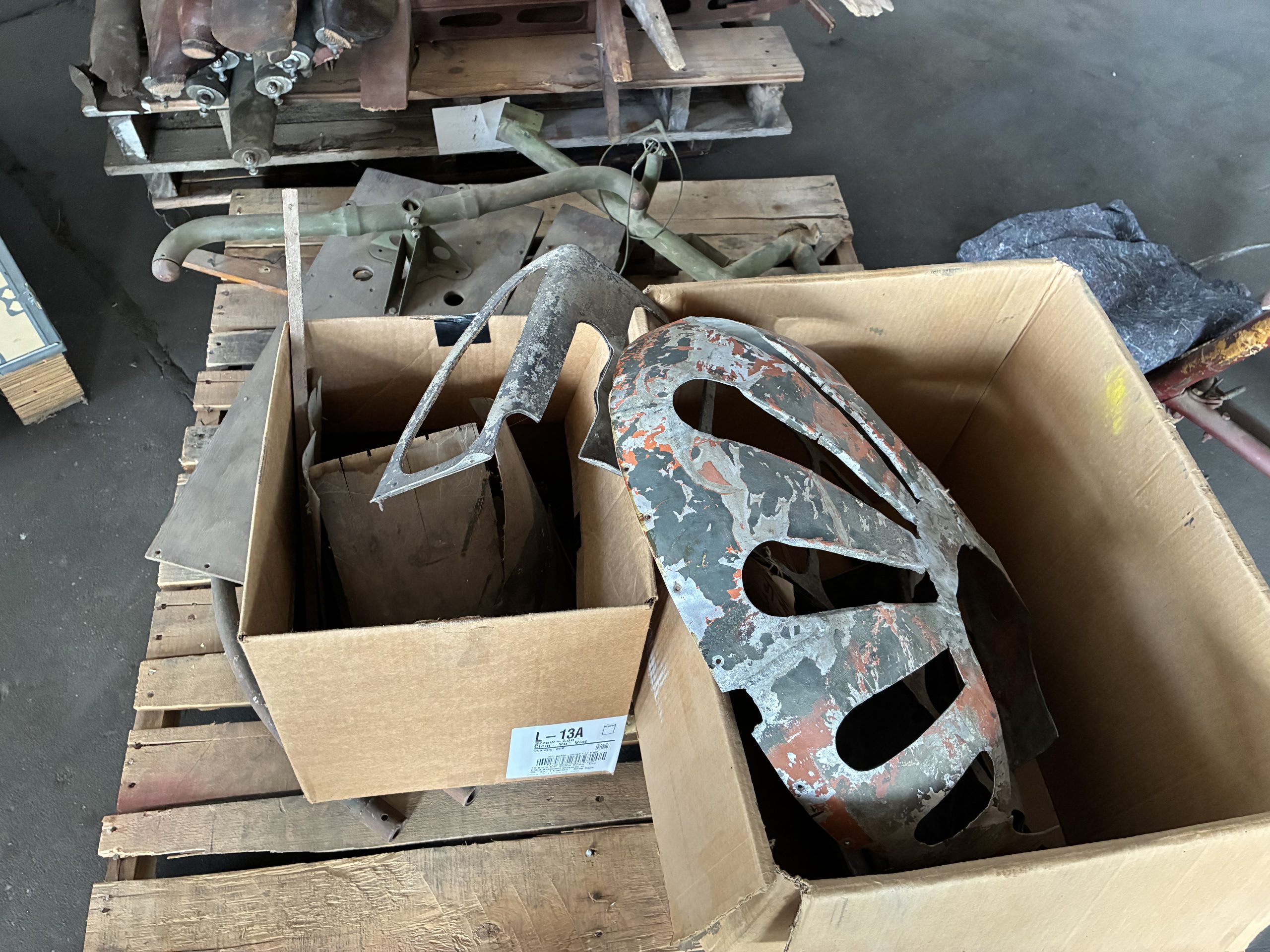
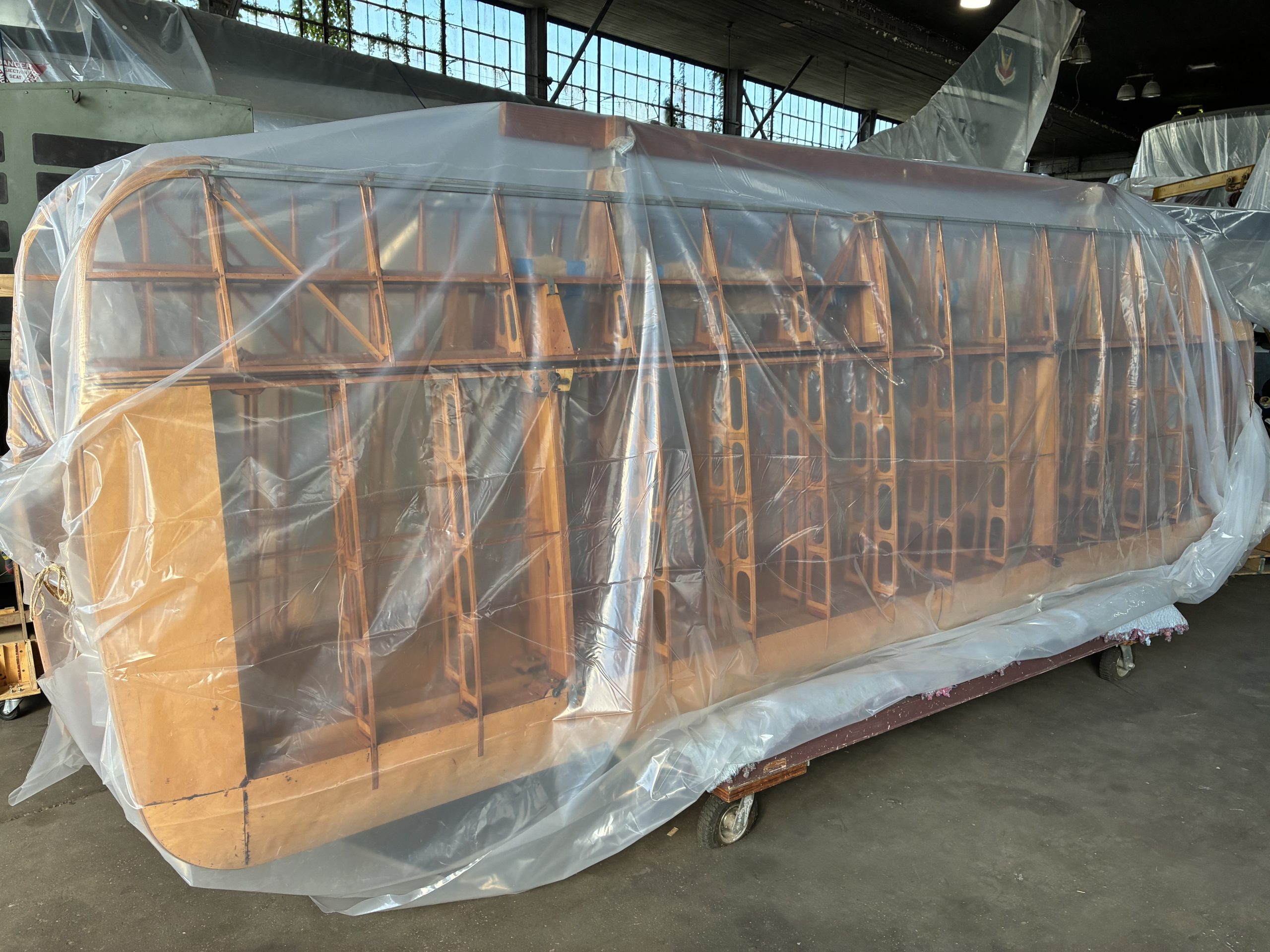
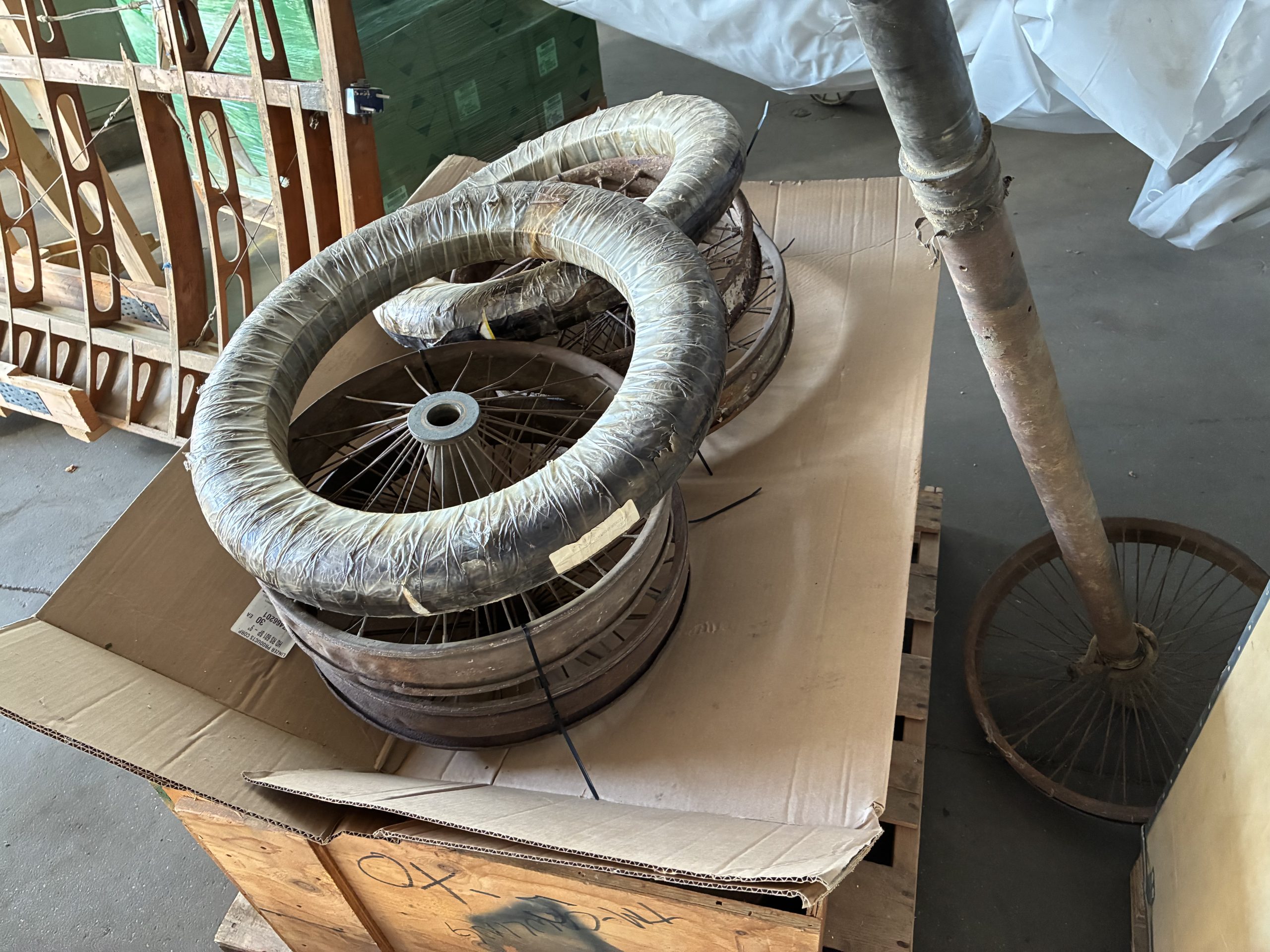
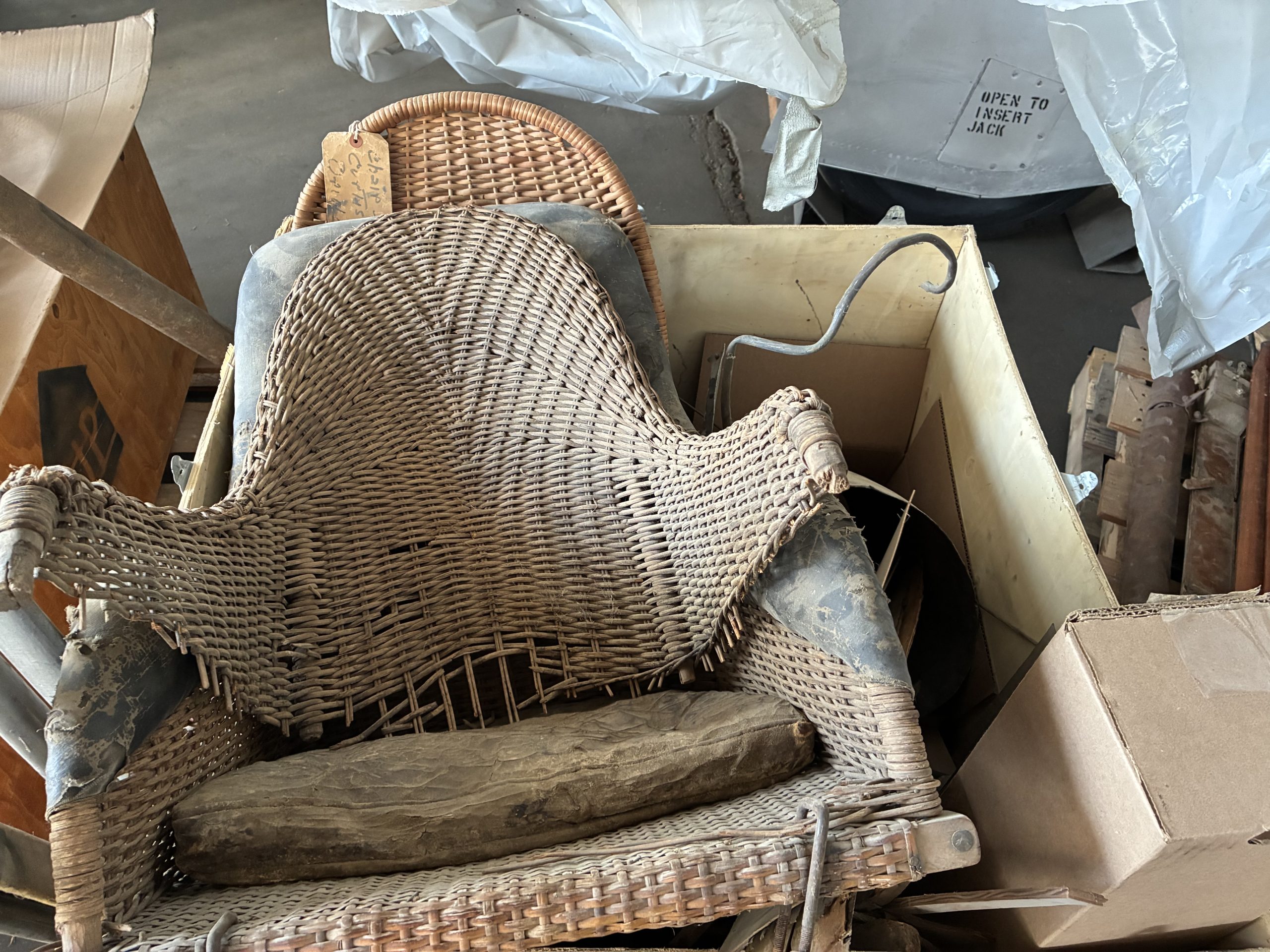
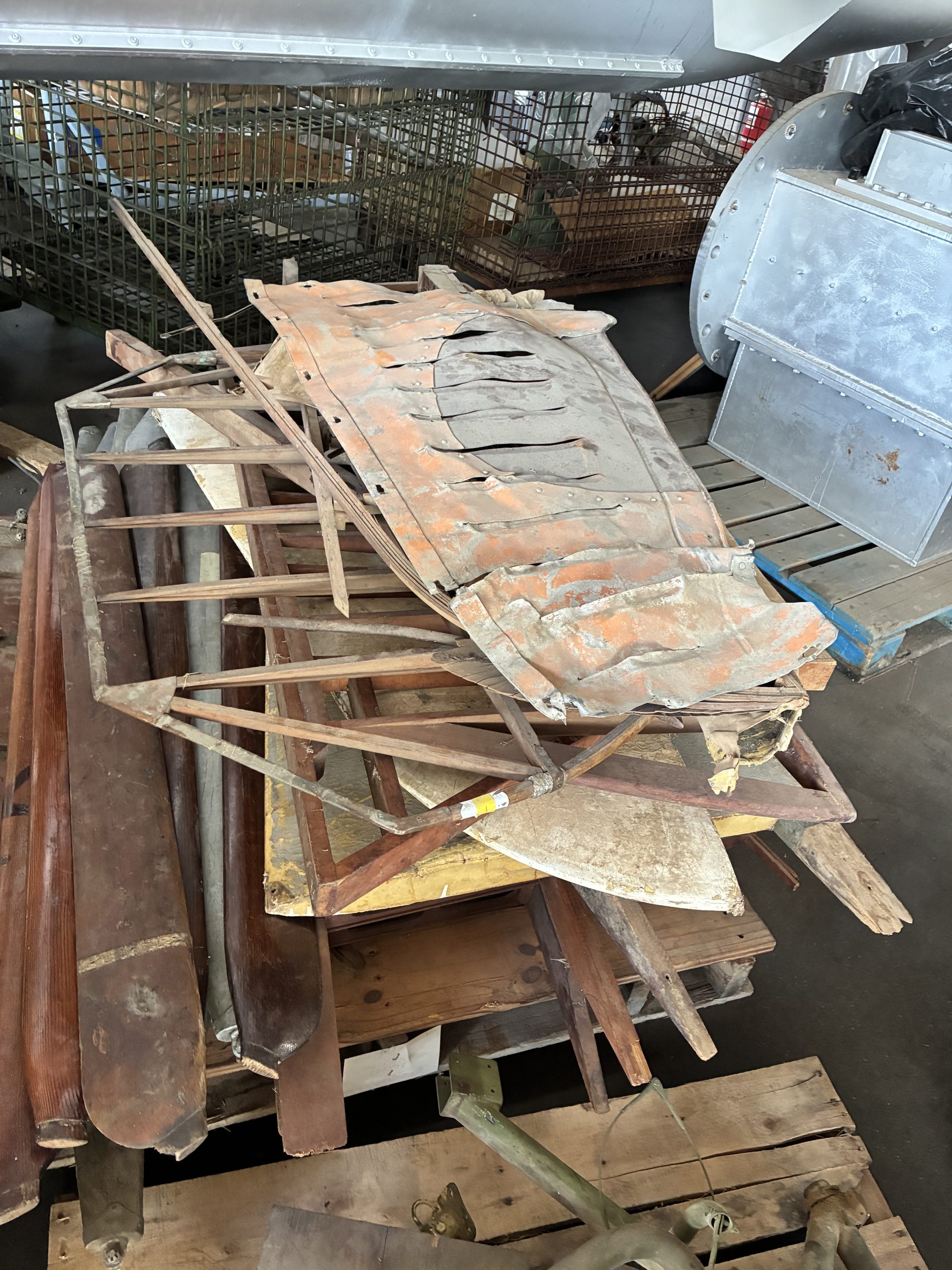
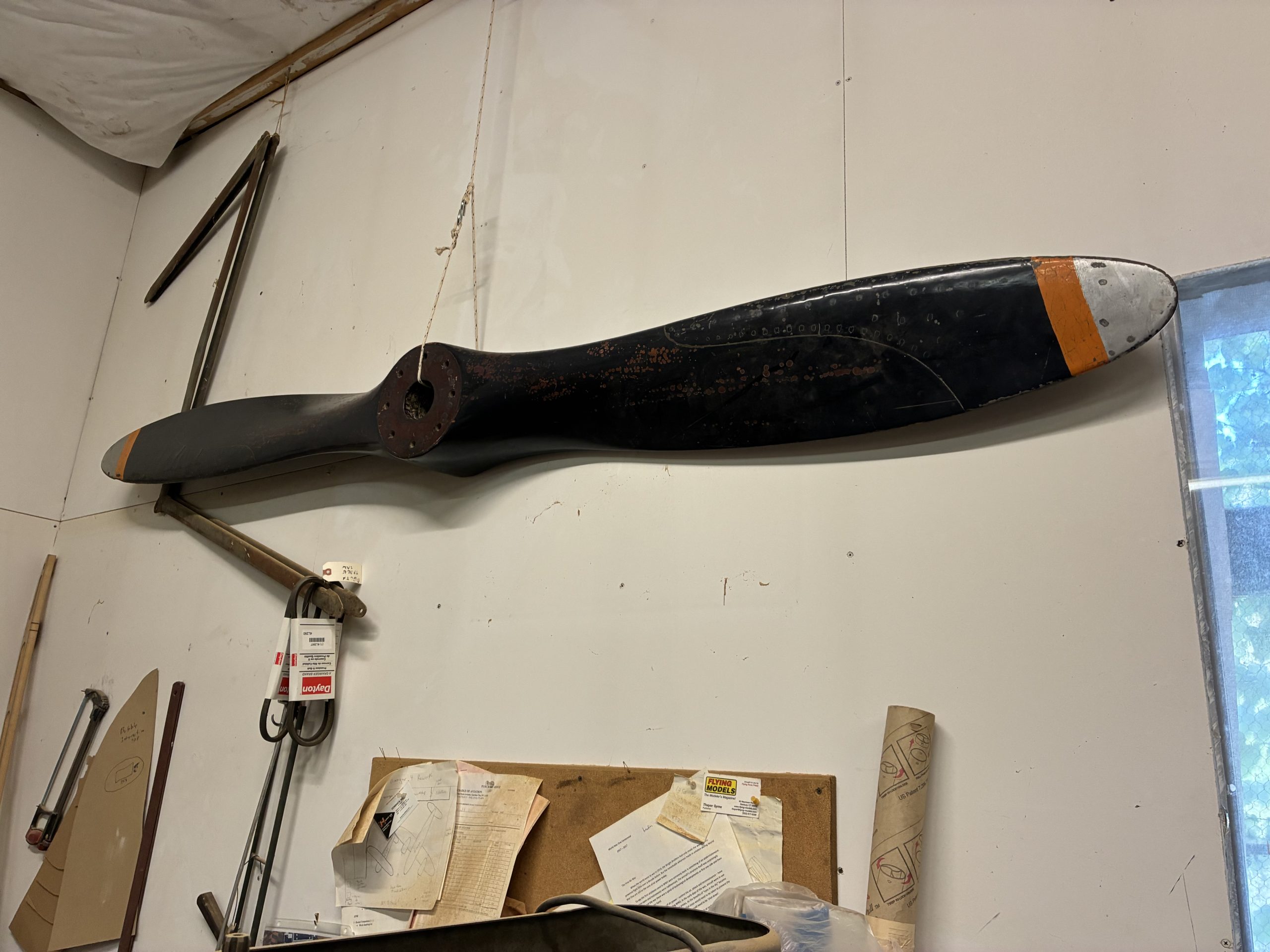
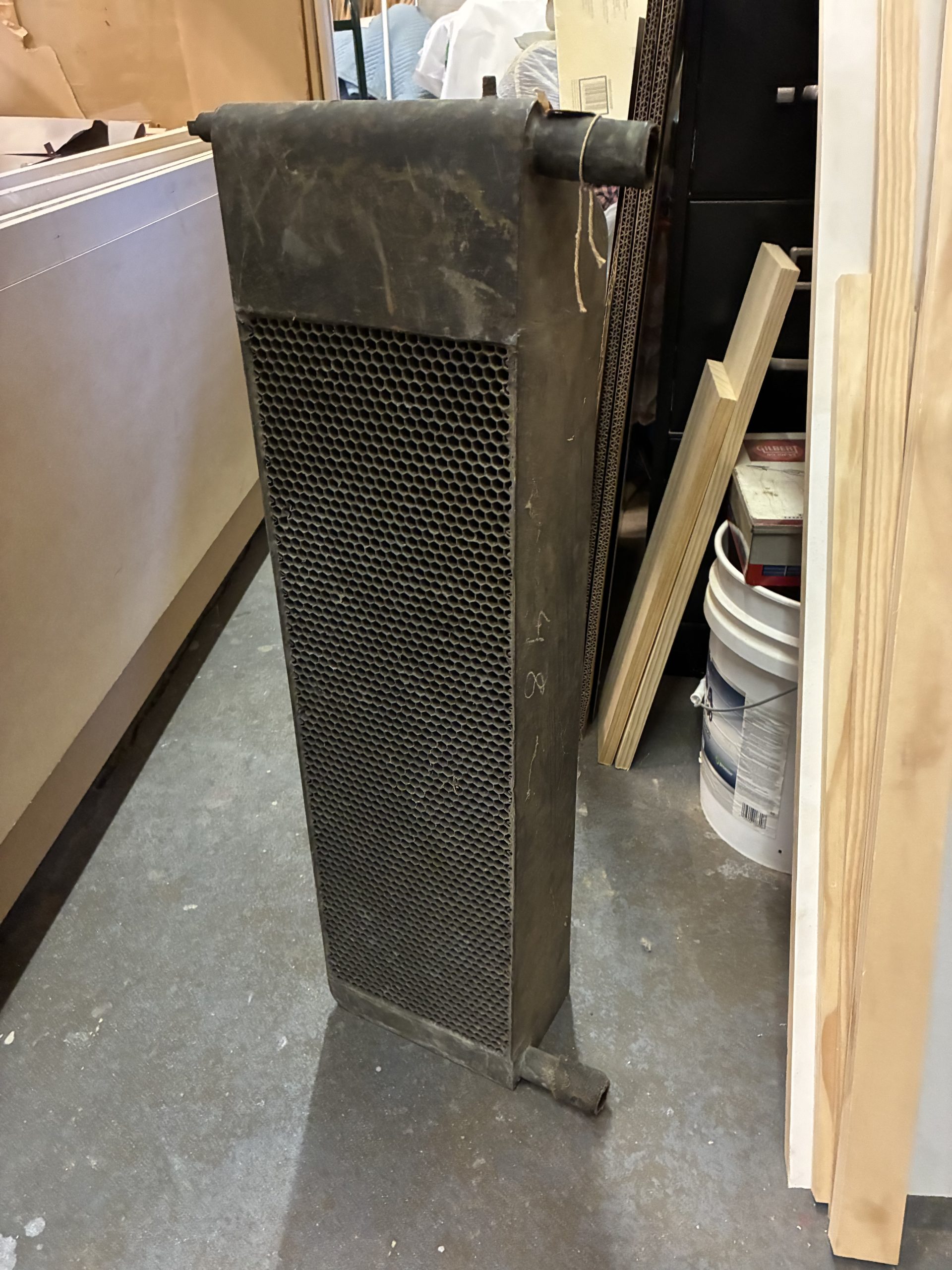
One of the biggest reliefs for the restoration team has been that the aircraft also has both its original propeller and radiator. These two items would be exceedingly difficult to replicate if they were absent from the project, and their presence saves the museum’s restoration team time, money, and labor, given the intricate work involved in fabricating a new propeller and radiator. The radiator is also one of the key features of the Oriole’s profile, as it was mounted above the engine and in front of the top wing, directly in the pilot’s line of sight.
Currently, the Cradle of Aviation Museum estimates it will take four to five years of restoration efforts to prepare the Oriole for static display, and when the aircraft is finished, it will be featured prominently in the museum’s cafeteria, alongside an aviation mural created between 1934 and 1938 by pilot and artist Aline “Pat” Rhonie for Hangar F of Roosevelt Field, and which was recently donated to the COAM by the Vaughn College of Aeronautics and Technology in Queens.