



Burned grains and flowering plants found in Bronze Age tombs in Cyprus point to the use of plants in ancient burial rites. The remains suggest people placed food in graves and burned plant offerings during ceremonies. Similar deposits found in a settlement well suggest such practices also took place beyond funerals.

The evidence comes from Hala Sultan Tekke, an ancient harbor city on Cyprus’s southeastern coast. The site flourished during the Late Bronze Age, with its best-known period spanning the 13th and 12th centuries BCE. Its tombs contain rich collections of pottery, jewelry, and other goods. Plant remains offer a different view of how people treated the dead.
Teresa Bürge and Dominika Kofel studied charred plant remains from four tombs, along with material from a well in the settlement. They also examined older finds from a shaft excavated in the 1970s. Their study links the types of plants, their condition, and the places where archaeologists found them.
Some deposits point to food placed in graves. A sample from Tomb UU consisted of barley grains. A vessel from Tomb XX held barley, other cereals, and wild grass seeds. A jug from the same tomb contained barley, other grains, olive, and grape remains.

The finds fit with the use of food and drink in burial rites. People might have left meals for the dead or eaten during funeral gatherings. The researchers distinguish these food deposits from other plant remains, which include species with no clear role in food preparation.
Tombs SS and YY held mixtures of cereals and flowering plants. The same broad mix appeared in the settlement well. One plant, corn chamomile, bears white flowers but isn’t edible and has no known medicinal use. Its presence raises the possibility of deliberate flower gathering, though the plant also grows among cereal crops and might have entered the deposits during harvest.
The researchers suggest some of these mixtures came from bouquets or bundles of plants. People might have burned them as offerings during ceremonies. The evidence doesn’t establish whether every flowering plant was chosen for ritual use, but repeated finds in tombs and the well support this reading.

The well deposits are especially striking. Plant remains appeared in separate layers of ash collected at different depths. The repeated mix of cereals and flowering plants makes random waste less likely. The authors suggest the deposits might relate to a ritual act connected with the well.
Fire was part of the process, since the newly studied plant remains were charred. The reason for burning them is less clear. Fire might have served practical needs, such as cleaning a space or masking unpleasant smells. The act might also have carried symbolic meaning during ceremonies.
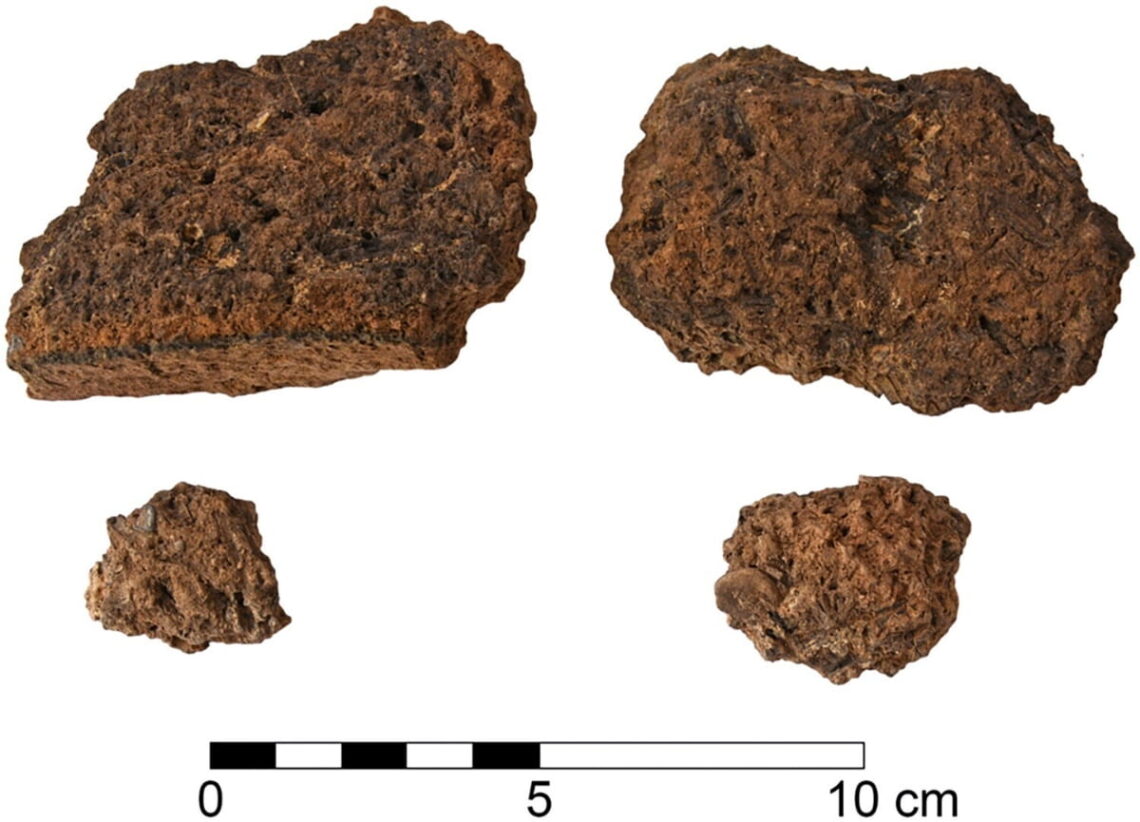
Traces of resinous cedar found in Tomb UU add another detail. Cedar resin burns readily and might have helped the fire catch. The wood could also have added scent, smoke, or visual effects to a ceremony. The researchers link these features to the sensory side of ancient rites.
Not every plant deposit points to an offering. The older shaft contained uncharred remains, including many grape pips. These might have come from stored crops, waste, or material mixed into the shaft when people filled it. The evidence differs from the patterned ash deposits in the well.
The study shows why plant remains need to be read alongside their archaeological setting. Grains and fruit often point to food, but flowering plants and repeated ash layers suggest other uses. At Hala Sultan Tekke, plants appear to have served as food offerings and possible floral offerings, while fire added another part to ceremonies for the dead and activities within the settlement.