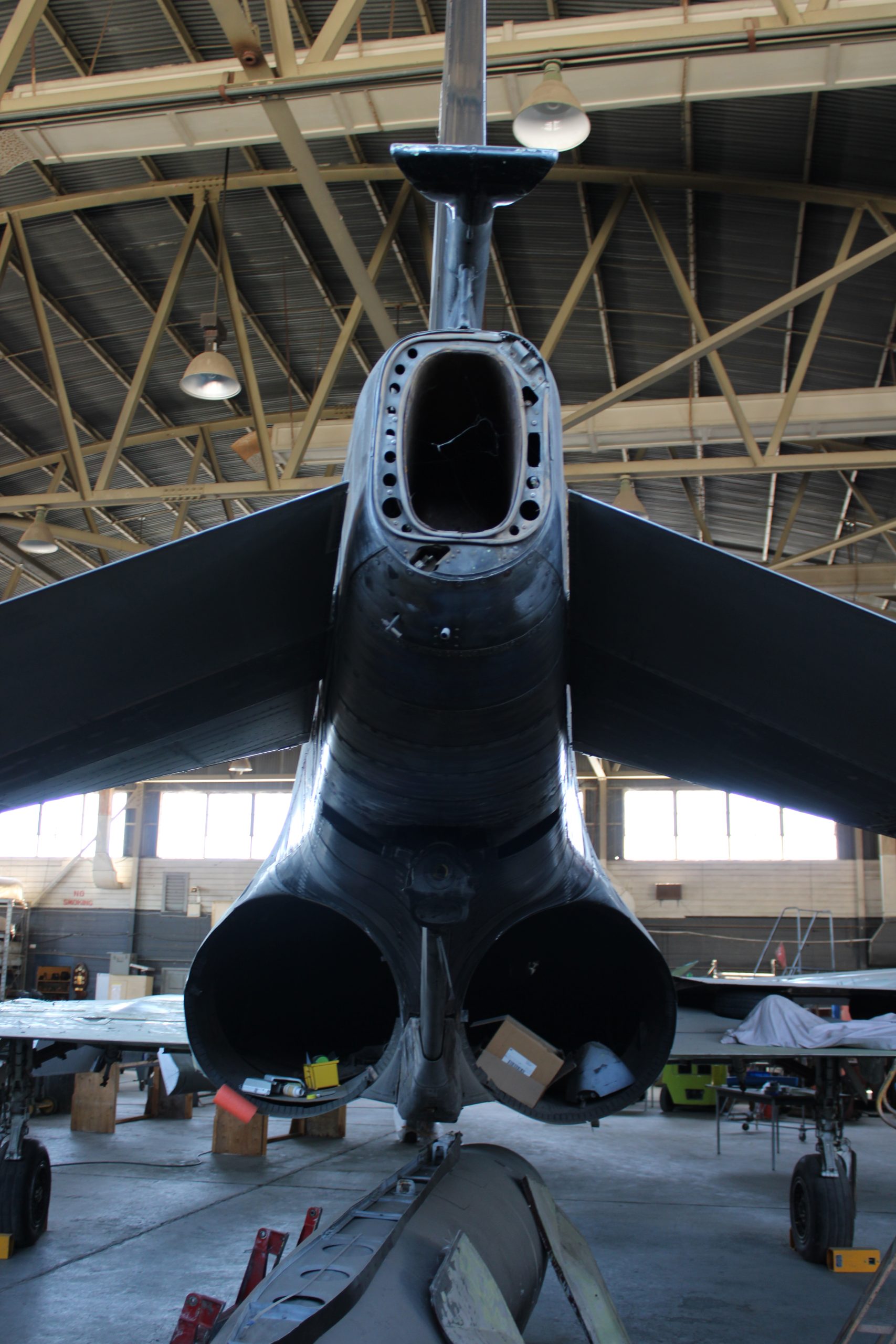
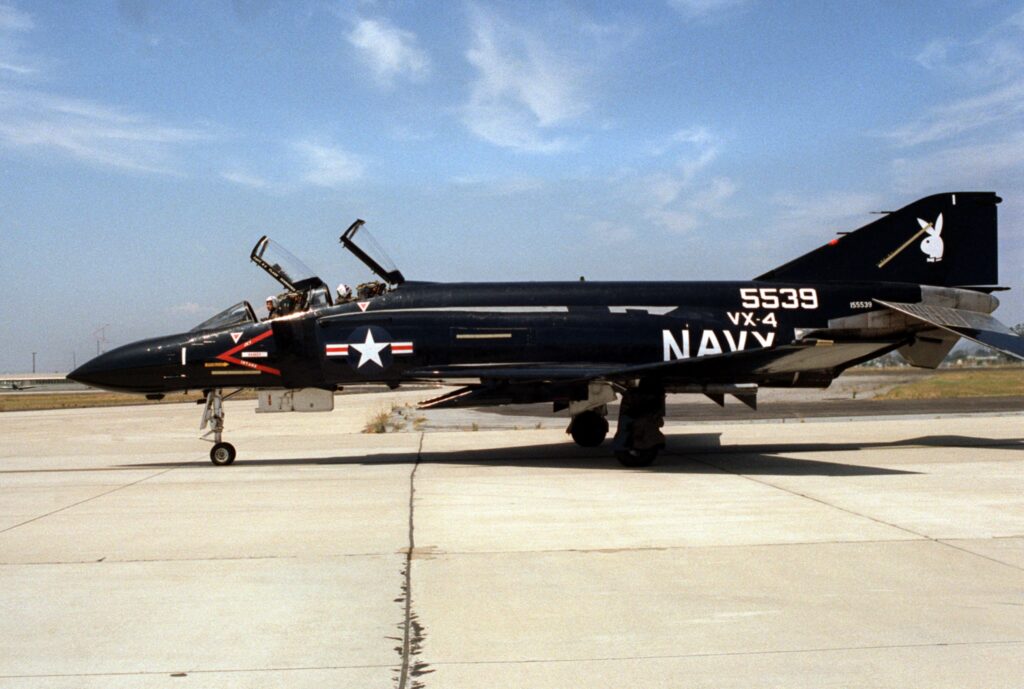
The aircraft will be repainted into the all-black scheme it wore during its time as a naval weapons evaluation aircraft at Naval Air Station Point Mugu from 1981 to 1986.
Back in August 2023, we wrote about the Castle Air Museum receiving a McDonnell Douglas F-4S Phantom II that flew with the callsign Vandy 1 as a “Black Bunny” after it spent over 30 years at the Boneyard at Davis-Monthan Air Force Base, Tucson Arizona. In the year and a half since the Black Bunny made its way from Tucson to Atwater, California, restoration has been steadily underway, with the focus of the project being the removal of the old paint in preparation to sand and repaint the aircraft back into the all-black scheme it wore during its time as a naval weapons evaluation aircraft at Naval Air Station Point Mugu from 1981 to 1986.
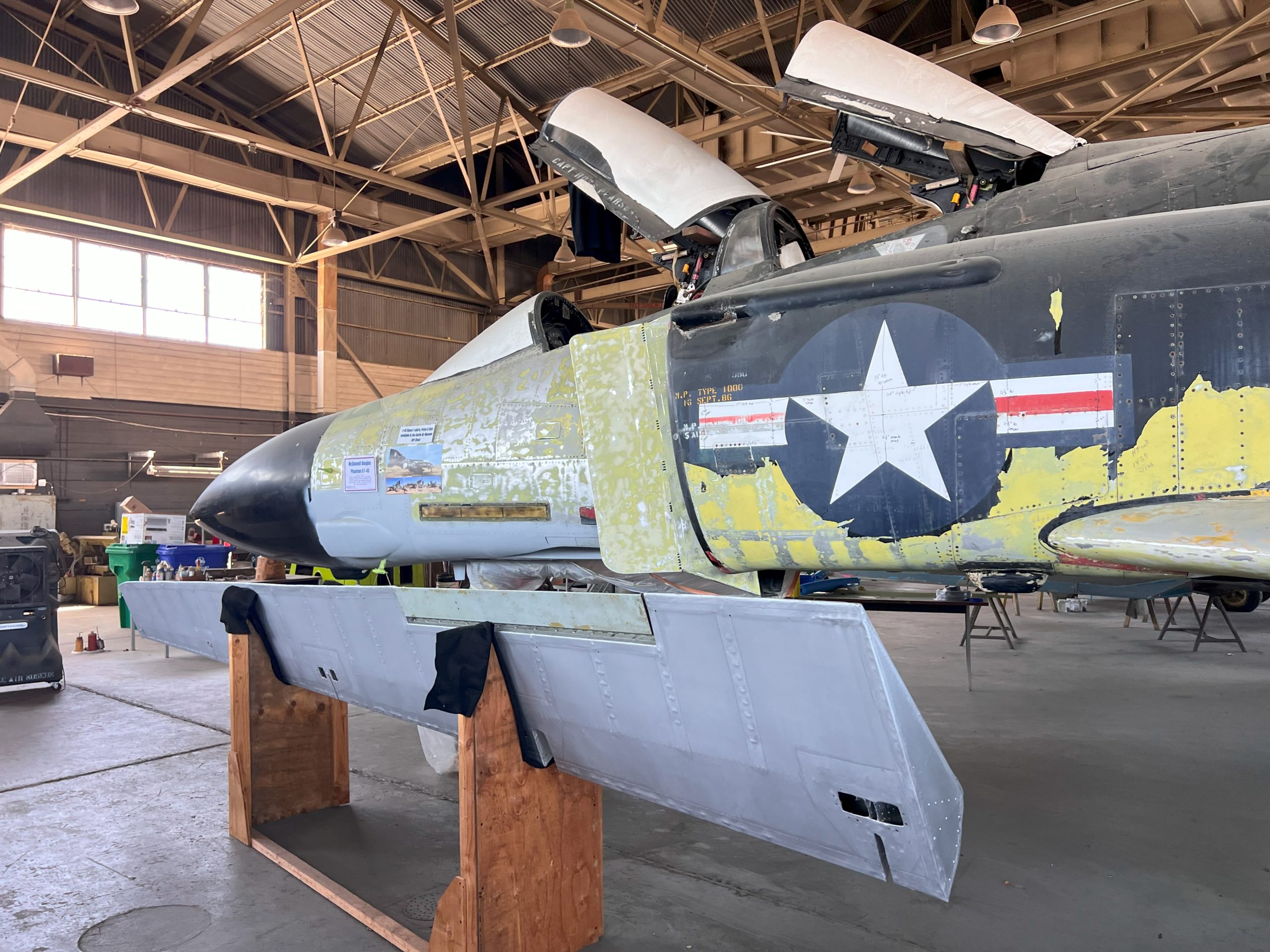
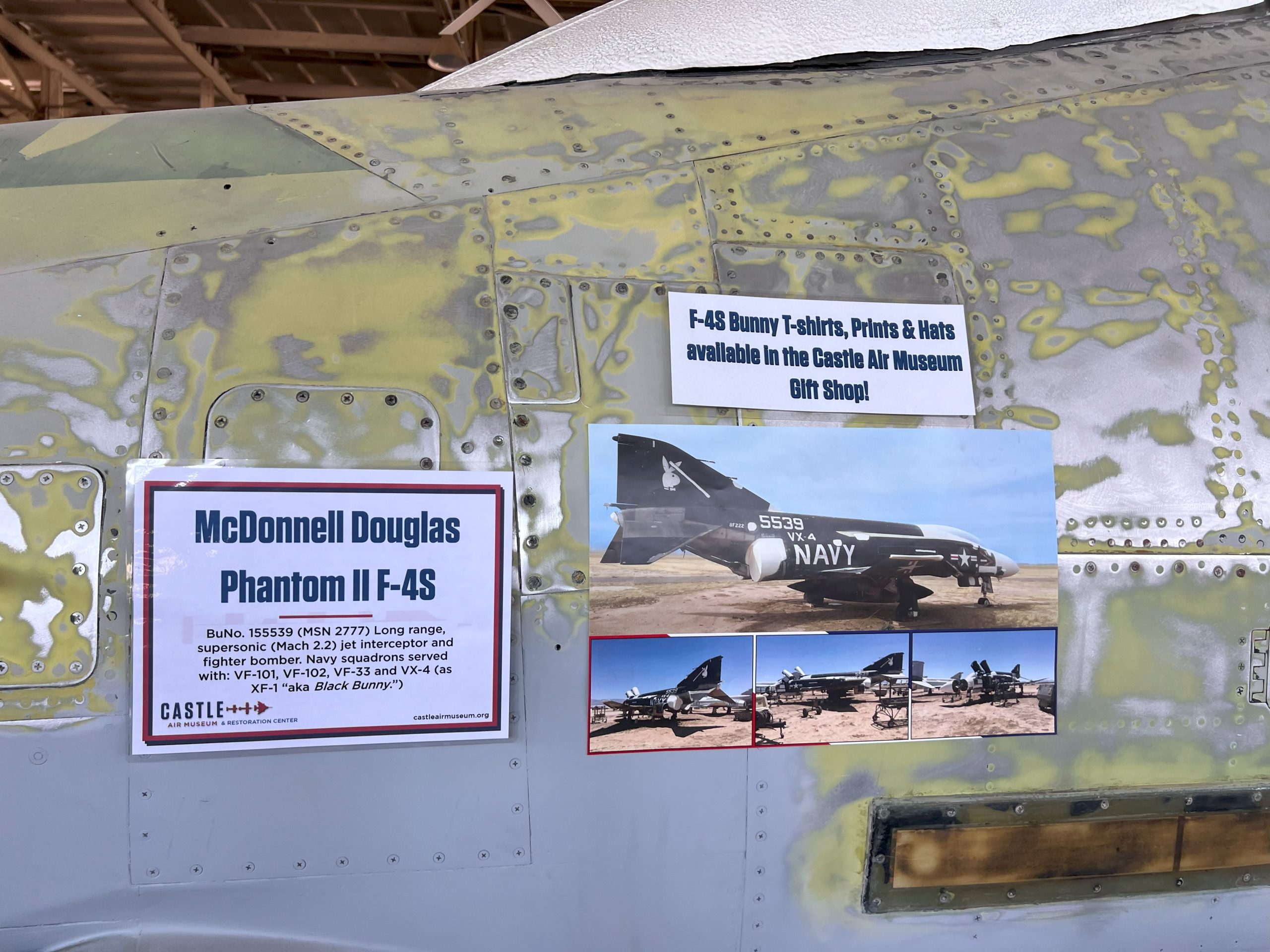
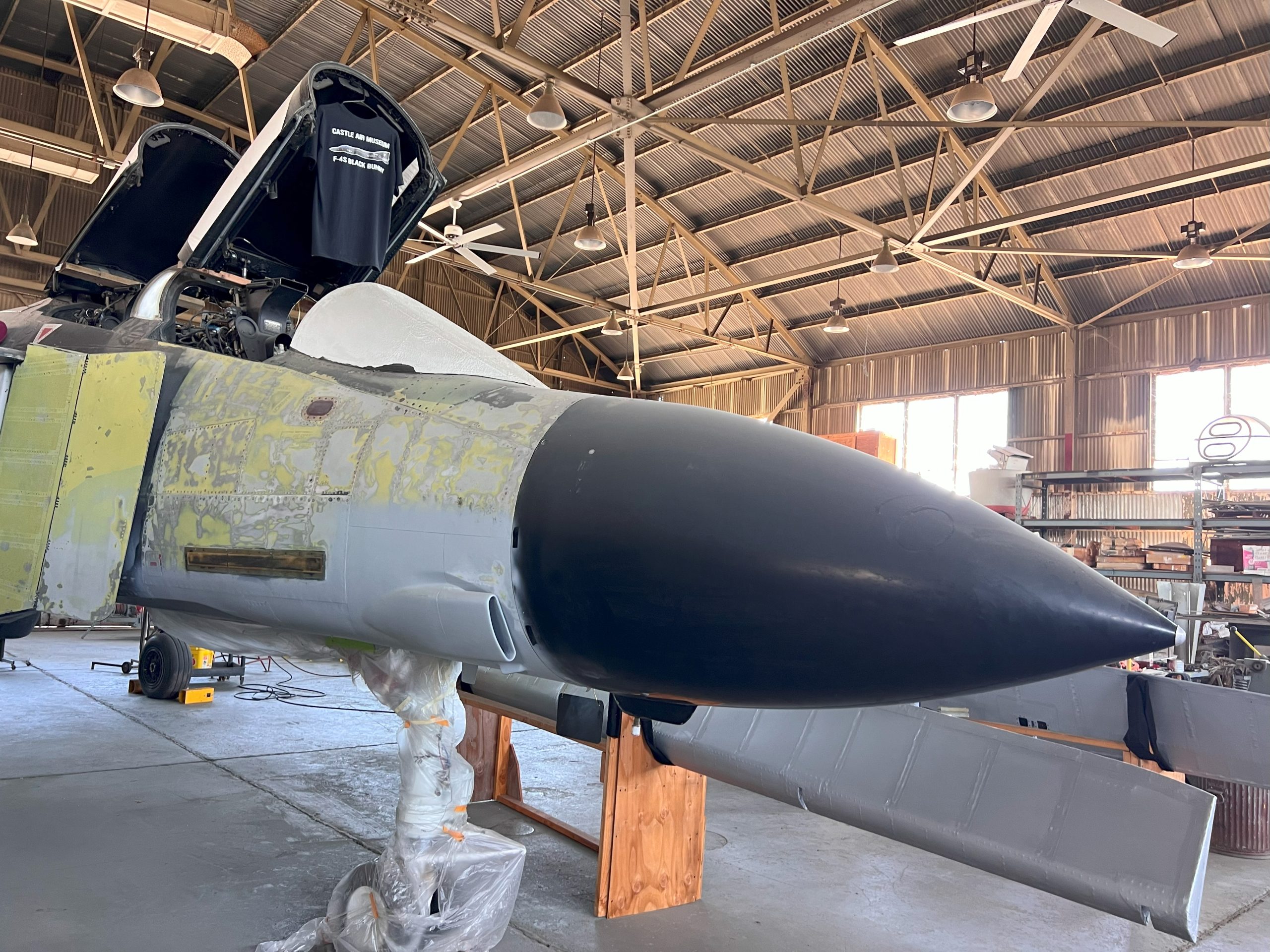
Since the aircraft’s arrival to the Castle Air Museum, it has been held in the museum’s restoration hangar at Merced Castle Airport, just a short drive from the main outdoor museum. Inside the hangar, restoration volunteers have been stripping the old sun-bleached back paint from the aircraft.
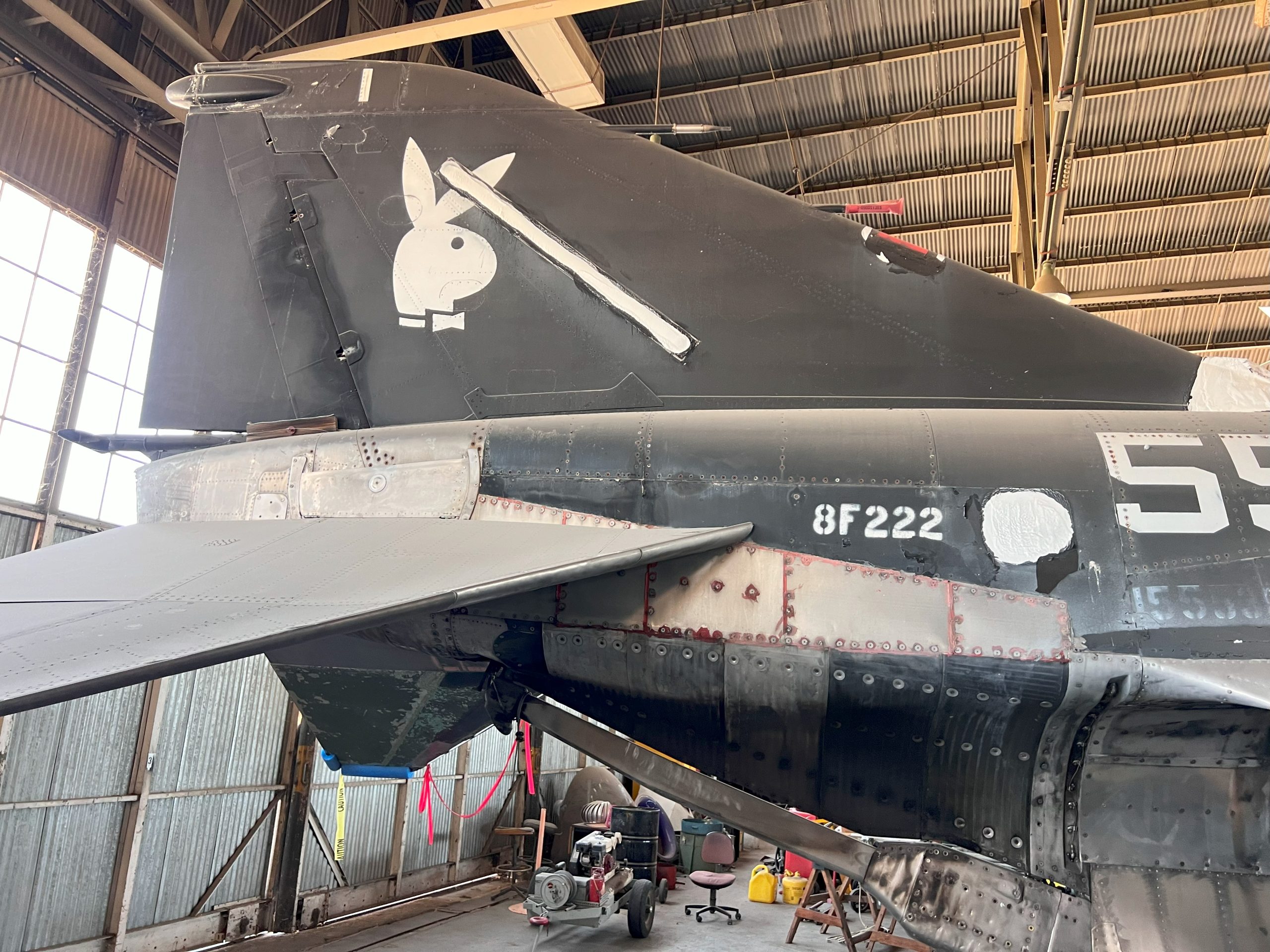
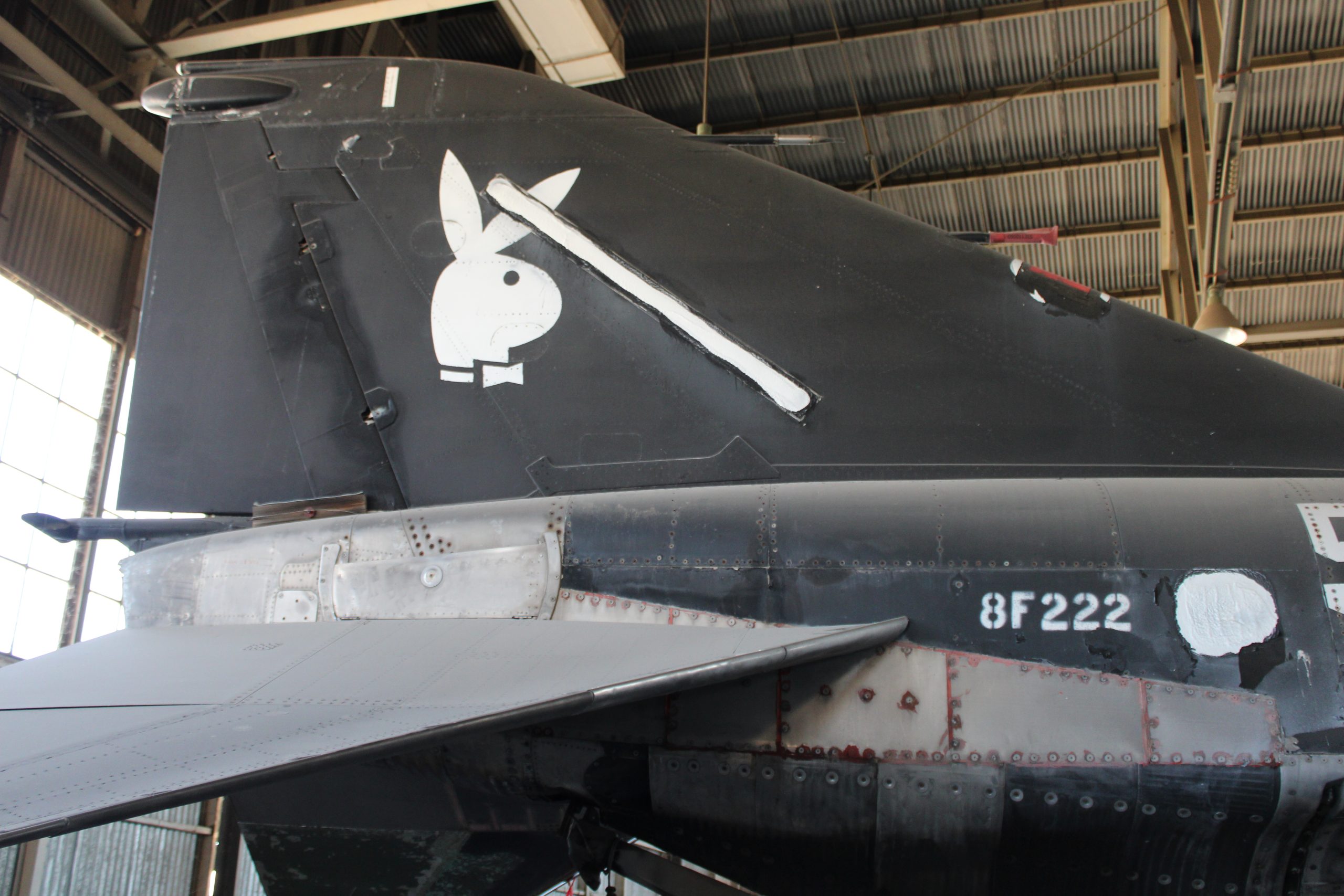
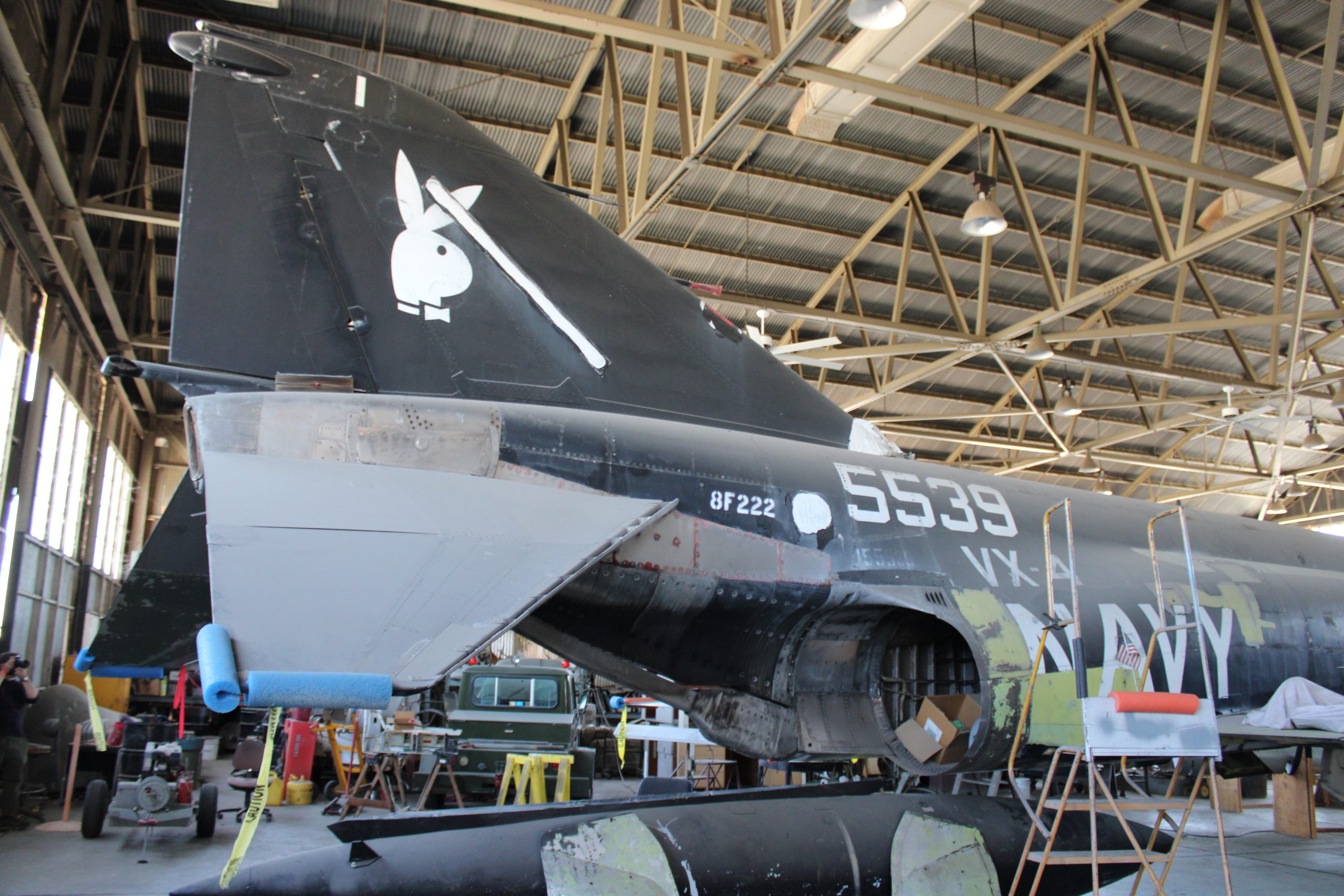
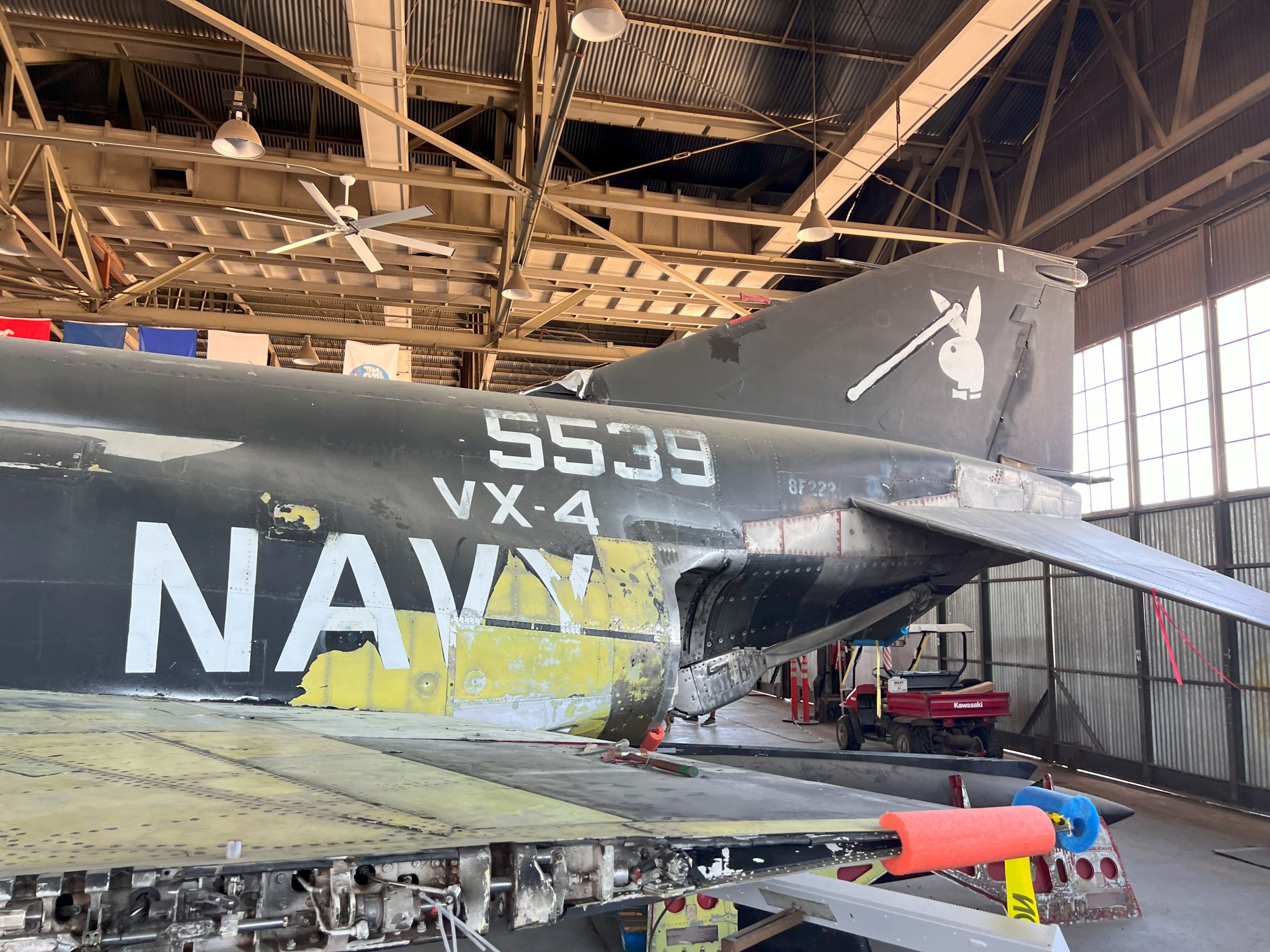
As with almost every volunteer-led aircraft restoration, whether it be an airworthy restoration or a static one in the case of BuNo 155539, the museum conducting the restoration needs funds to complete the restoration of the “Black Bunny”, which has led to the museum having a dedicated donation box for the “Black Bunny” Phantom in the museum gift shop. The aircraft is still some ways off before the Castle Air Museum places BuNo 155539 on display, but when it does, it will join the museum’s Thunderbird Phantom, F-4E 66-0289, on display.
In addition to restoring the “Black Bunny” Phantom, the Castle Air Museum is still in the process of restoring a Lockheed-Martin F-117 Nighthawk nicknamed The Toxic Avenger, as well as a Bell UH-1 Huey, and several aircraft that have had repainted in the restoration hangar placed back on display, such as their Convair F-102 Delta Dagger and Republic F-84F Thunderstreak.