


Firuzabad, also known as Gor City, is an ancient city located in Fars Province, Iran. It is believed to have been built by Ardashir I, the founder of the Sasanian Empire, in the 3rd century CE.
The city was an important center of Zoroastrianism, and it was also the site of several battles between the Sasanians and the Arabs. Today, the city is a popular tourist destination, to explore the history of Firuzabad and its many attractions.
Historical Background of Firuzabad and Gor City
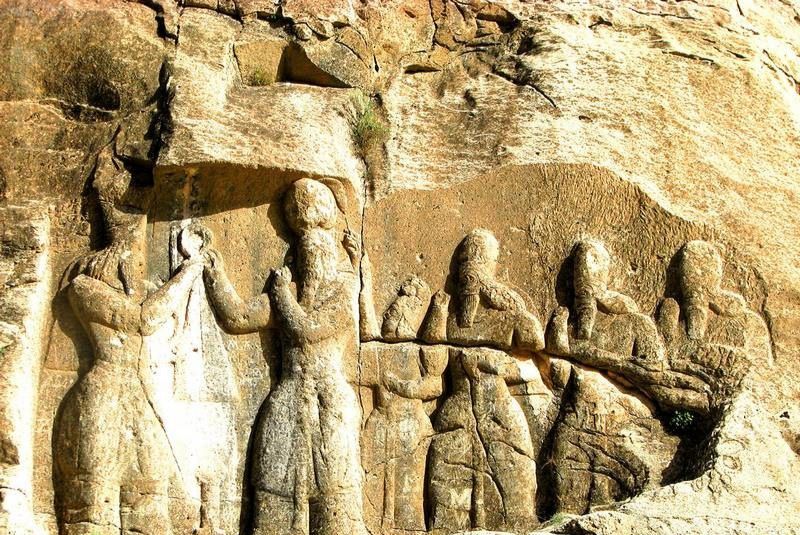
Gore, an ancient city within the Firozabad plain, holds historical significance as one of the earliest examples of a geometrically planned city in ancient Iran, earning the distinction of being the first circular city in the region.
The city’s roots extend to the Achaemenid period before the Sasanian rule. Flourishing under Achaemenid governance, the circular city of Gōr boasted robust defenses that thwarted any attempts by adversaries to breach its walls. The Firozabad plain, with its strategic geographical position surrounded by towering mountains and flowing rivers, had captivated the interest of ancient Iranian rulers since time immemorial. Access to this area proved challenging due to its rugged terrain.
Even Alexander the Great, in his sweeping conquest of Iran, faced difficulty penetrating this city. Resorting to altering the course of the river, he redirected water into the city of Ghor, resulting in the demise of Gore. The lake created by this diversion endured until Ardashir I, who, with ingenuity, constructed a tunnel to drain it. This site became the foundation for his new capital, known by various names, including Khor Ardashīr, Ardashīr Khurrah, or Shahr-e Gor.
The Battle of Firuzabad in 224 AD marked a pivotal moment as Ardeshir I triumphed over the last Parthian emperor, Artabanus V, establishing the Sassanian Empire. Throughout the Sassanian era, Firuzabad thrived as a hub for regal activities and cultural blossoming. However, subsequent invasions, including the Arab conquest in the 7th century, reshaped Firuzabad’s trajectory, inaugurating a new chapter in its history.
A resurgence occurred under the Buyids, led by Fanna Khusraw, breathing new life into Firuzabad. Despite this revival, the city faced eventual abandonment during the Qajar period, making way for the rise of a neighboring town, now known as Firuzabad. The lone survivor from Firuzabad’s ancient past is the central core—a venerable tower that stands as a testament to its rich history.
Firuzabad: Architectural Marvels
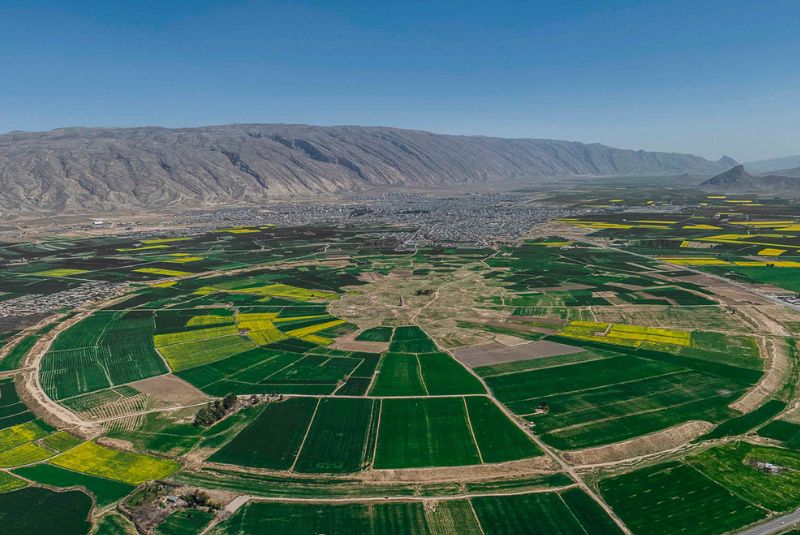
Ancient Sassanian circular city of Gōr, protected by a 50-meter-wide trench and featuring four gates (Hormozd, Ardashir, Mithra (Gor Mehr), and Bahram), had a central compound at the heart of a 2-kilometer-wide circular layout. At the city center stood the enigmatic Terbal, a 30-meter-high, spiral-designed tower. Its purpose remains a subject of speculation, contributing to the city’s mystique.
The Ardeshir Palace
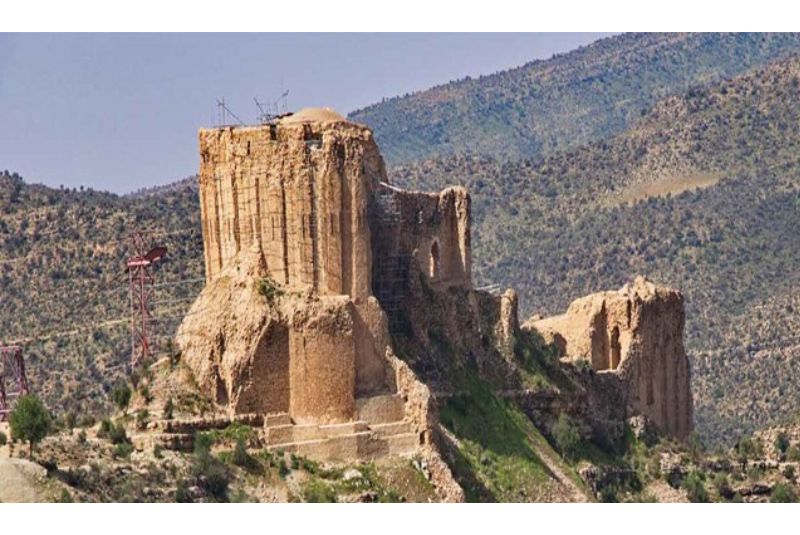
This imposing structure in Gor city served as the royal residence and witnessed the unfolding of key historical events, including the Battle of Firuzabad. The Ardeshir Palace’s architectural mastery is evident in its fusion of stone and brickwork. The palace boasts a distinctive domed audience hall and elaborate reliefs that narrate Sassanian triumphs. The marriage of grand scale and intricate detailing is a testament to Sassanian engineering innovation. Despite the passage of centuries, the palace’s structural integrity remains, inviting visitors to appreciate the enduring legacy of Sassanian architecture.
Qal’eh Dokhtar
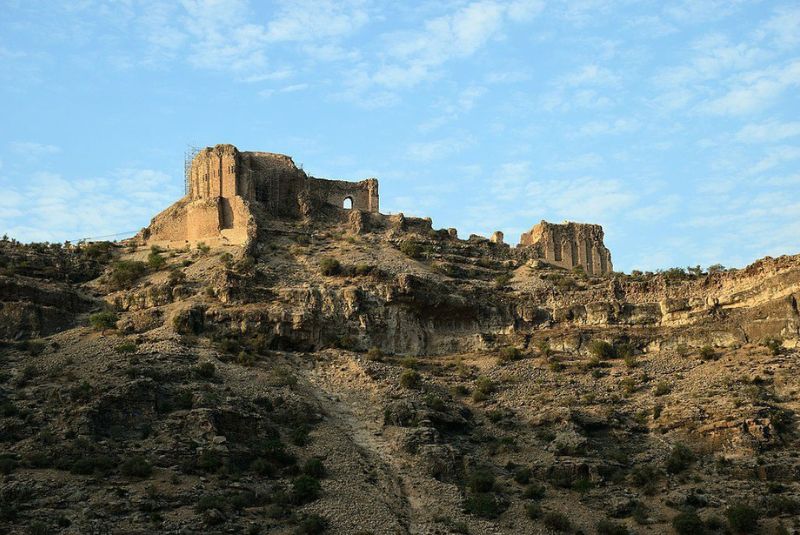
Qal’eh Dokhtar, or Maiden Castle, crowns Firuzabad’s skyline with an air of mystery. Dating back to the Sassanian era, its circular design prompts speculation about its original purpose—whether a fire temple or a defensive stronghold.
Maiden Castle’s concentric circular design, featuring massive stone walls and a central tower, exemplifies Sassanian strategic brilliance. The intricate carvings and watchtowers invite contemplation about the castle’s dual role as a defensive fortress and a potentially multifunctional structure. Firuzabad’s skyline, adorned with the enigmatic Maiden Castle, beckons visitors to unravel the secrets concealed within its ancient walls.
Milo Minaret
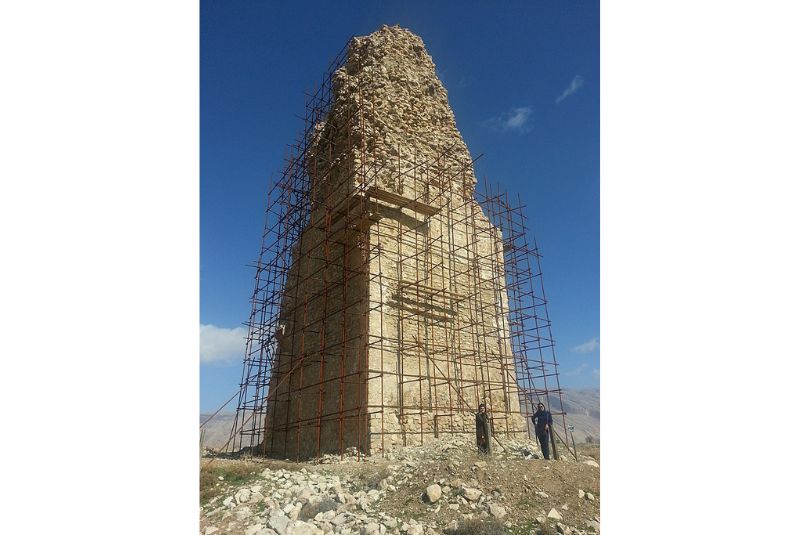
At the center of the ancient city of Gore stands the Milo Minaret (Tribal), a structure whose remnants offer glimpses into a bygone era. Originally estimated to be nearly 80 meters in height and with sides measuring about 20 meters, this square-shaped minaret held a prominent place in the city’s landscape. Today, though diminished in size, standing at approximately 30 meters high with sides measuring 9 meters, the Milo Minaret retains its historical significance.
Milo Minaret served multifaceted purposes, including observation, hosting ritual ceremonies, and military functions.