


The newfound wreck could help maritime archaeologists better understand how 20th-century warships were designed.
Searchers have located the wreck of one of the few warships that fought for both the United States and its enemy Japan during World War II.
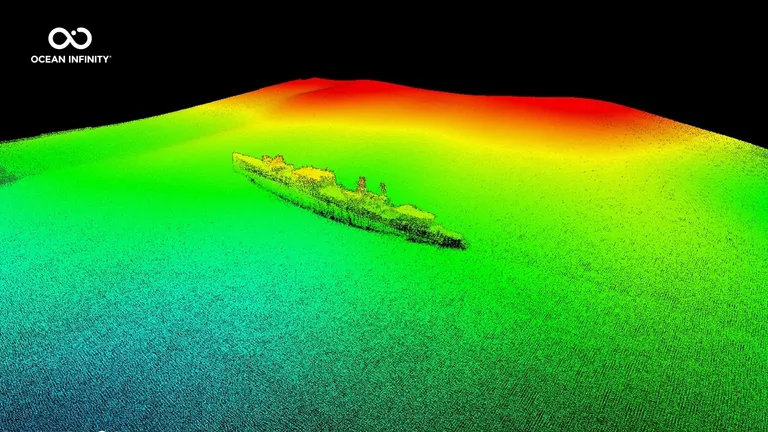
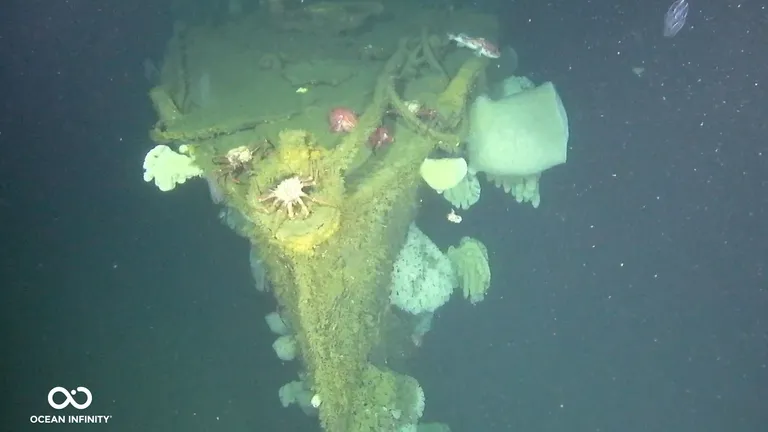
The remains of the destroyer USS Stewart were found in early August at a depth of roughly 3,500 feet (1,065 meters) in the Cordell Bank National Marine Sanctuary, about 50 miles (80 kilometers) northwest of San Francisco.
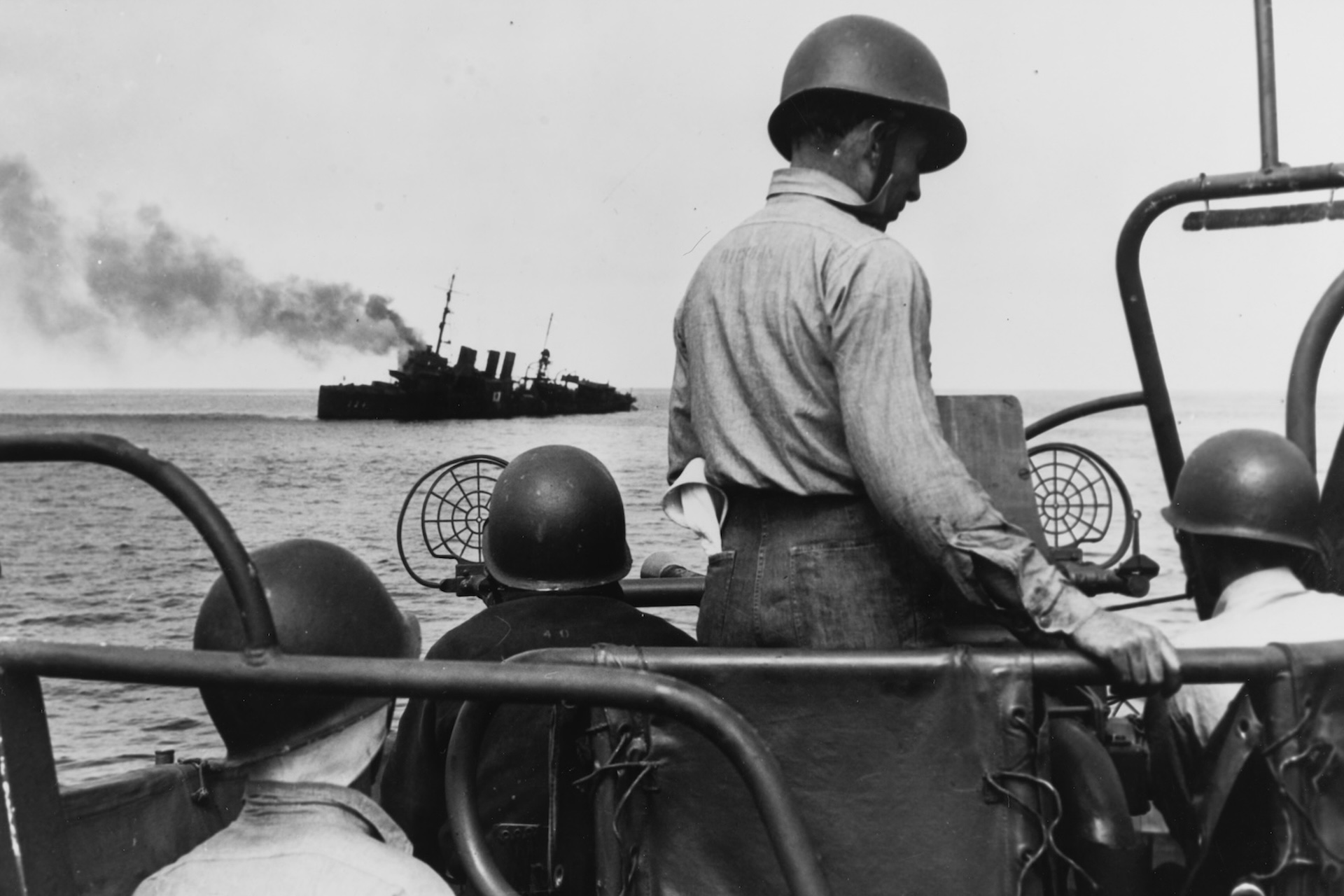
It was sunk there during target practice in 1946 by rockets from U.S. warplanes and shells from a U.S. warship. But its exact location was unknown, until the wreck was rediscovered by three autonomous underwater vehicles (AUVs) deployed by the marine robotics company Ocean Infinity.
According to The New York Times, the AUVs searched a 37-square-nautical-mile (49 square miles, or 127 square km) area of the seafloor in under 24 hours.
“We covered it very quickly, and in high resolution,” Andy Sherrell, Ocean Infinity’s director of maritime operations, told the newspaper.

On both sides
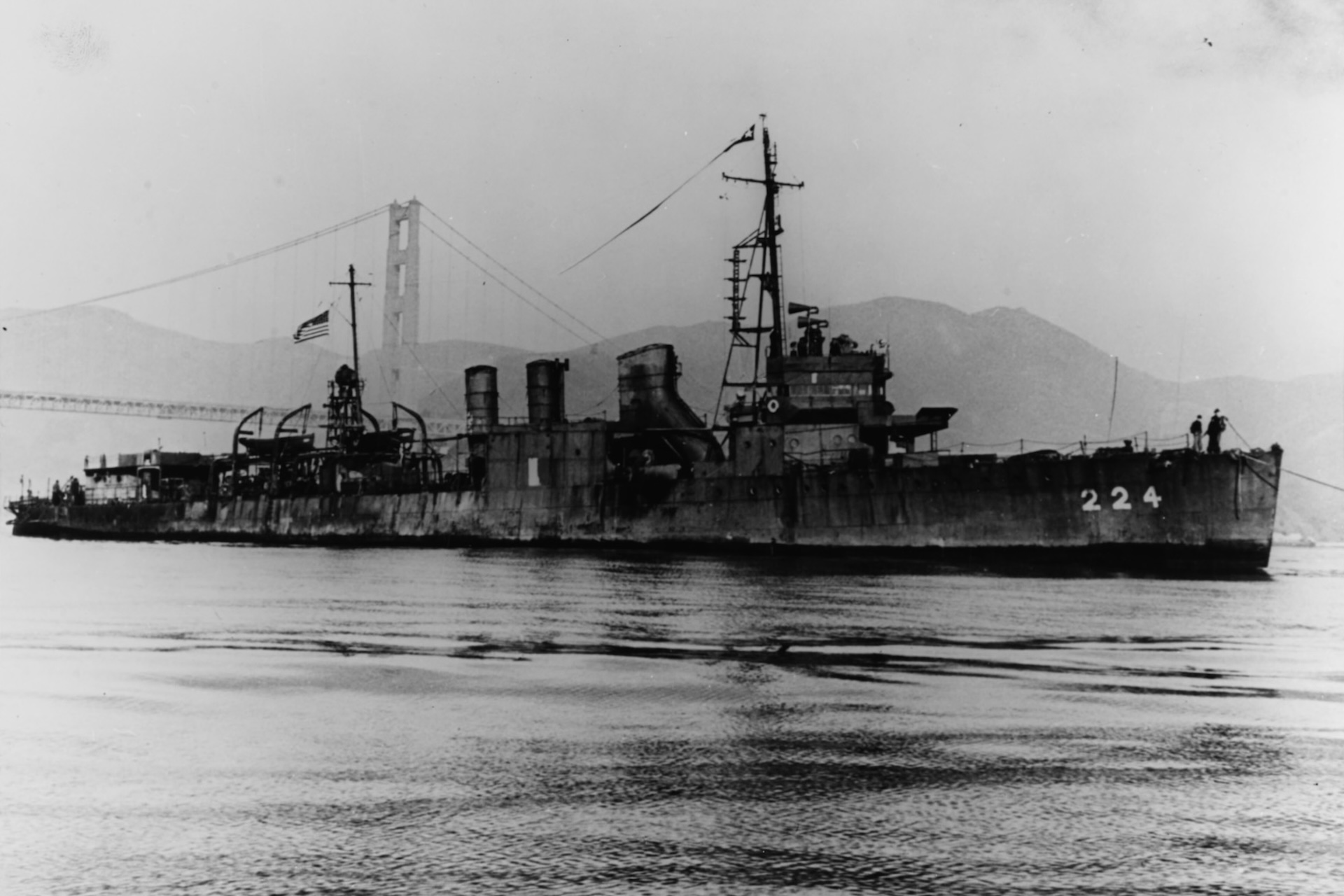
The Stewart started the war as a U.S. destroyer designated DD-224 and was ordered to Borneo in November 1941, shortly before the U.S. entered World War II. It served as an escort vessel with other American warships in the first months of the Pacific War, but it was badly damaged by gunfire from Japanese warships near Bali in February 1942, during the Battle of Badung Strait.
The Stewart managed to return to Surabaya on the island of Java. But the port came under Japanese attack, so the vessel was scuttled — deliberately sunk — by its own crew, who set off explosives in its hull. A year later, however, Japanese raised the sunken warship and it served as a patrol boat for the Imperial Japanese Navy until the war ended in 1945.
The ship again came under U.S. control when Japan surrendered on Sept, 2, 1945. The vessel was briefly recommissioned as DD-224 by the U.S. Navy, but by then it was in poor shape. It was finally decommissioned in May 1946 and then used for target practice.
Image 1 of 3
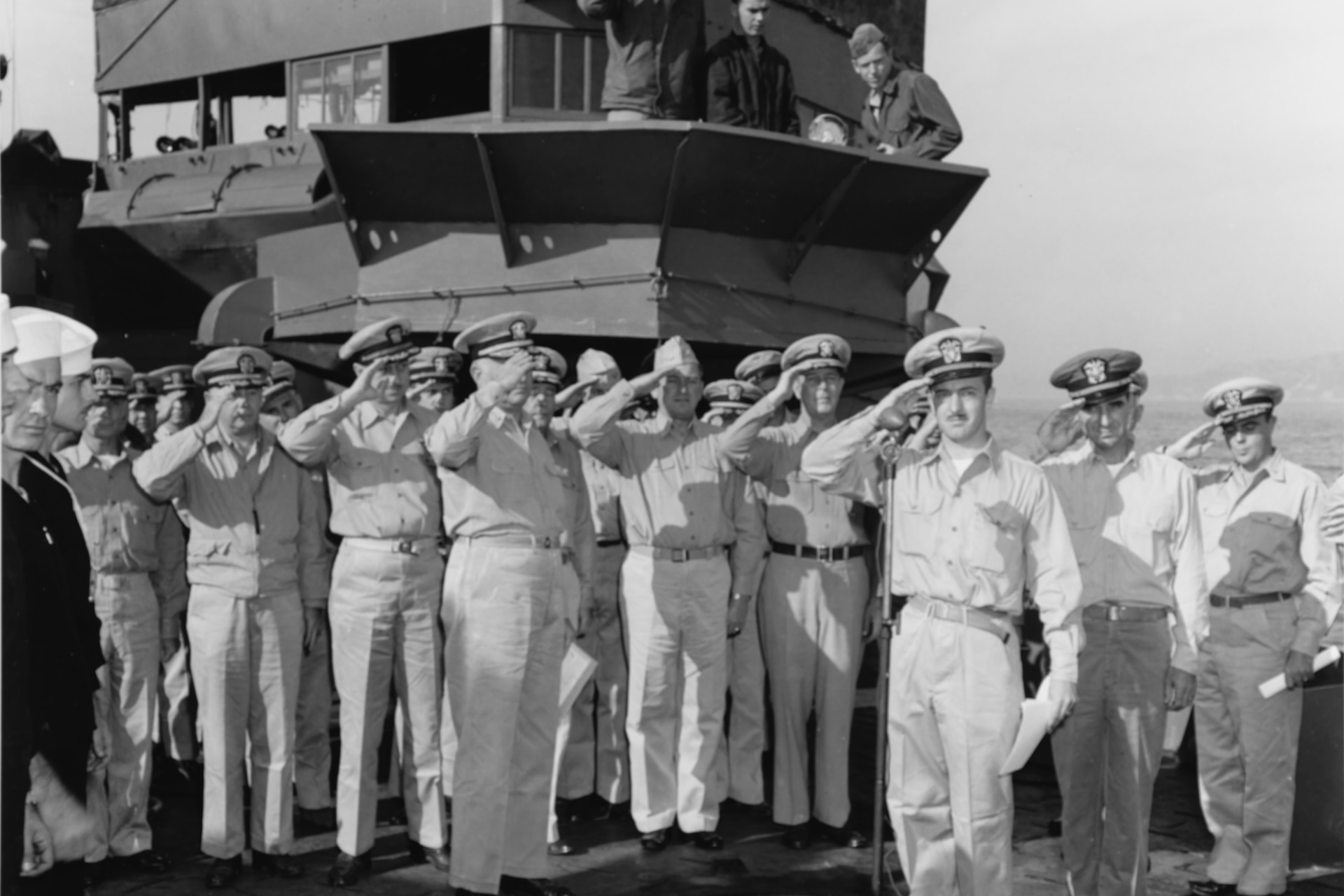
Ghost ship
The Stewart was known as the “Ghost Ship of the Pacific” and had been seen by American pilots behind enemy lines during World War II, according to a statement by the archaeology company Search, which was also involved in the discovery. Other participants included the nonprofit Air/Sea Heritage Foundation, the National Oceanic and Atmospheric Administration’s (NOAA) Maritime Heritage program and the U.S. Navy.
The mystery was solved only after the end of the war, when the vessel was found afloat in the Japanese port city of Kure, near Hiroshima.
The wreck is in remarkably good shape after nearly 80 years under the sea, according to the statement, and will give insight into early-20th-century naval architecture and technology.
“The USS Stewart represents a unique opportunity to study a well-preserved example of early twentieth-century destroyer design,” maritime archaeologist James Delgado, who was formerly with NOAA and is now a senior vice president at Search, said in the statement.
“Its story, from U.S. Navy service to Japanese capture and back again, makes it a powerful symbol of the Pacific War’s complexity,” he said.