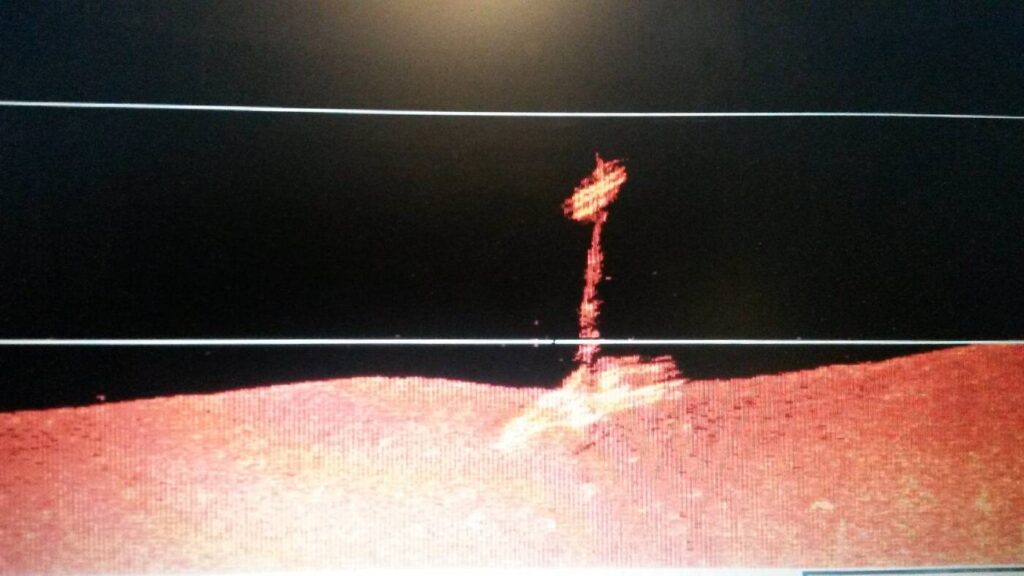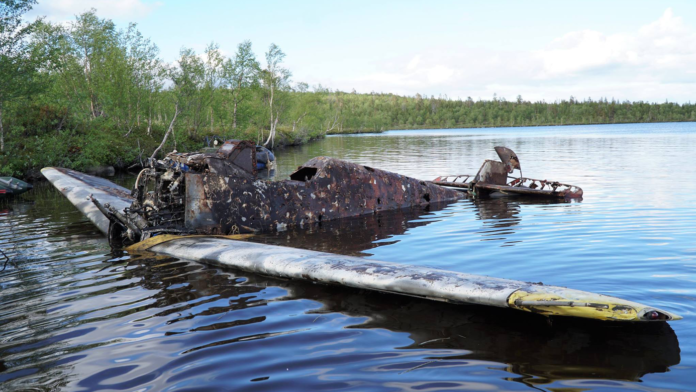

A submerged Messerschmitt Bf-109G2 fighter has been discovered in the Murmansk region of Russia. What story does this World War II aircraft hide beneath the water?
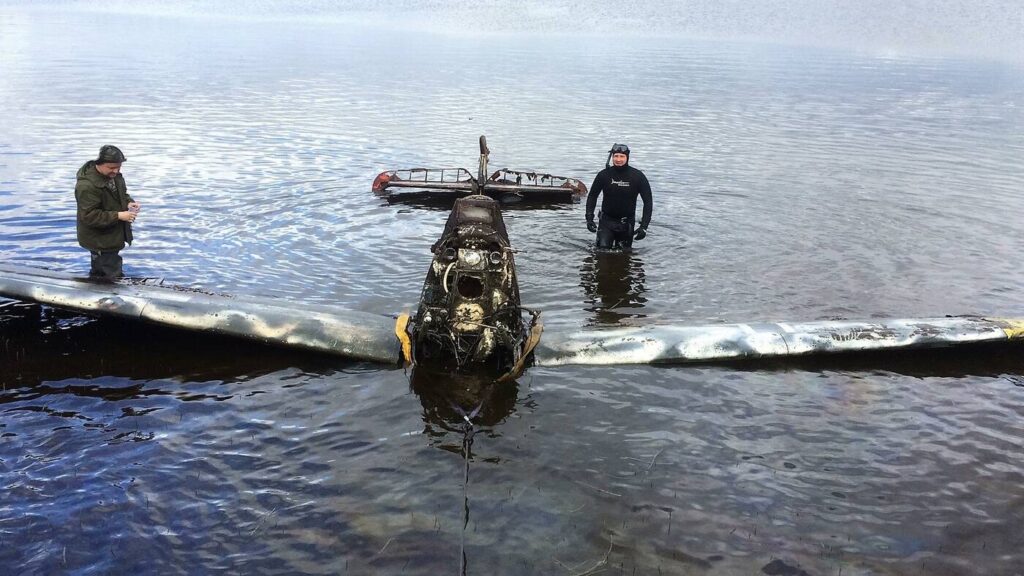
A World War II-era fighter was found in one of the lakes in the Murmansk region, and researchers identified it as a Bf-109G2. Divers decided that the aircraft should be preserved and transferred to the Vadim Zadorozhny Technical Museum. At present, researchers are trying to uncover as much information as possible about its history, with plans for a possible restoration of the aircraft.
The sunken Messerschmitt
It has now been established that the fighter saw combat in 1942 around the Leningrad area before being transferred to the Luostari airfield. From there, it supported bomber attacks against Allied naval vessels and protected German aircraft from Soviet bomber and ground-attack aircraft. The Bf-109G2 was most likely hit during the winter of 1944, forcing the pilot to make an emergency landing on the frozen surface of a lake.

One of the most intriguing details is the hole in the aircraft’s glass canopy. It is possible that the pilot was wounded and had to land because of his injuries. The Messerschmitt’s entire armament was later removed by enemy forces. Both the left and right sides of the fuselage show signs of repeated damage, with numerous repair patches covering holes from previous battles. There are also many bullet and shell impacts that the aircraft likely suffered during its final flight.

On the left flap, there is a projectile hole approximately 100 mm in diameter, along with numerous smaller bullet holes ranging from 20 to 50 mm. On the right side, the aileron was split into two parts after being struck by a projectile. Because the aircraft came to rest vertically on the lakebed, the front section of the fuselage and wings buried in the mud were preserved far better than other parts of the fighter.