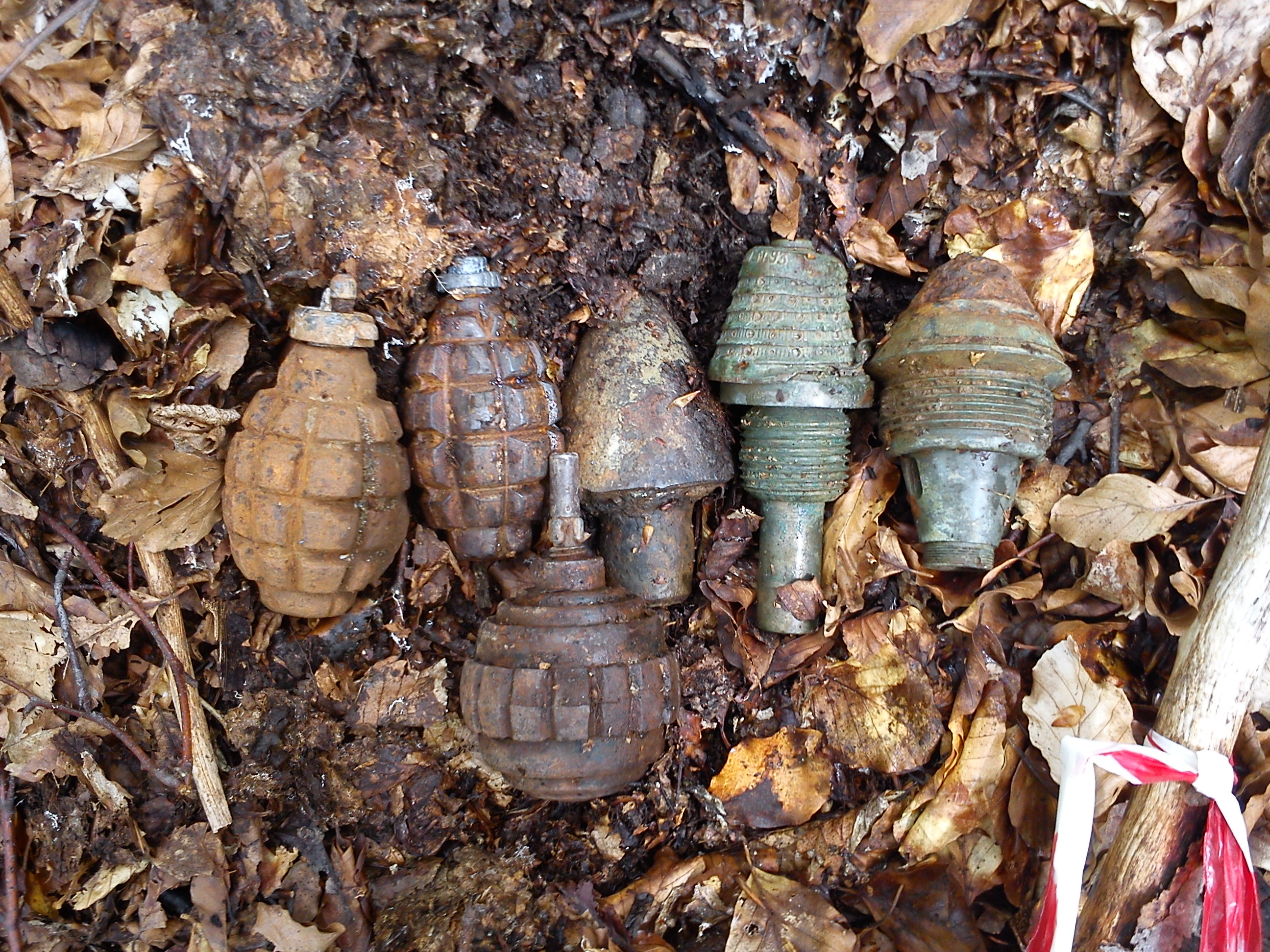
“Death still lurks in old battlefields”
An unexploded ordnance exists. I mean, since most ordnance is explosive, usually an ordnance that has its entire body or shape intact is likely to have not exploded.
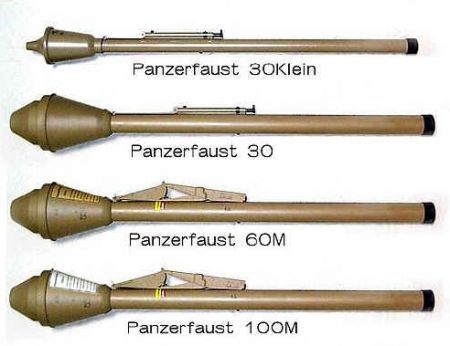
When a munition explodes, we find pieces of it that in many cases do not resemble the munition.
However, ammunition fragments are very special objects, because in most cases they are metal objects that stand out from everything else as the explosion ruptures the metal in a unique way that is unlike anything else.
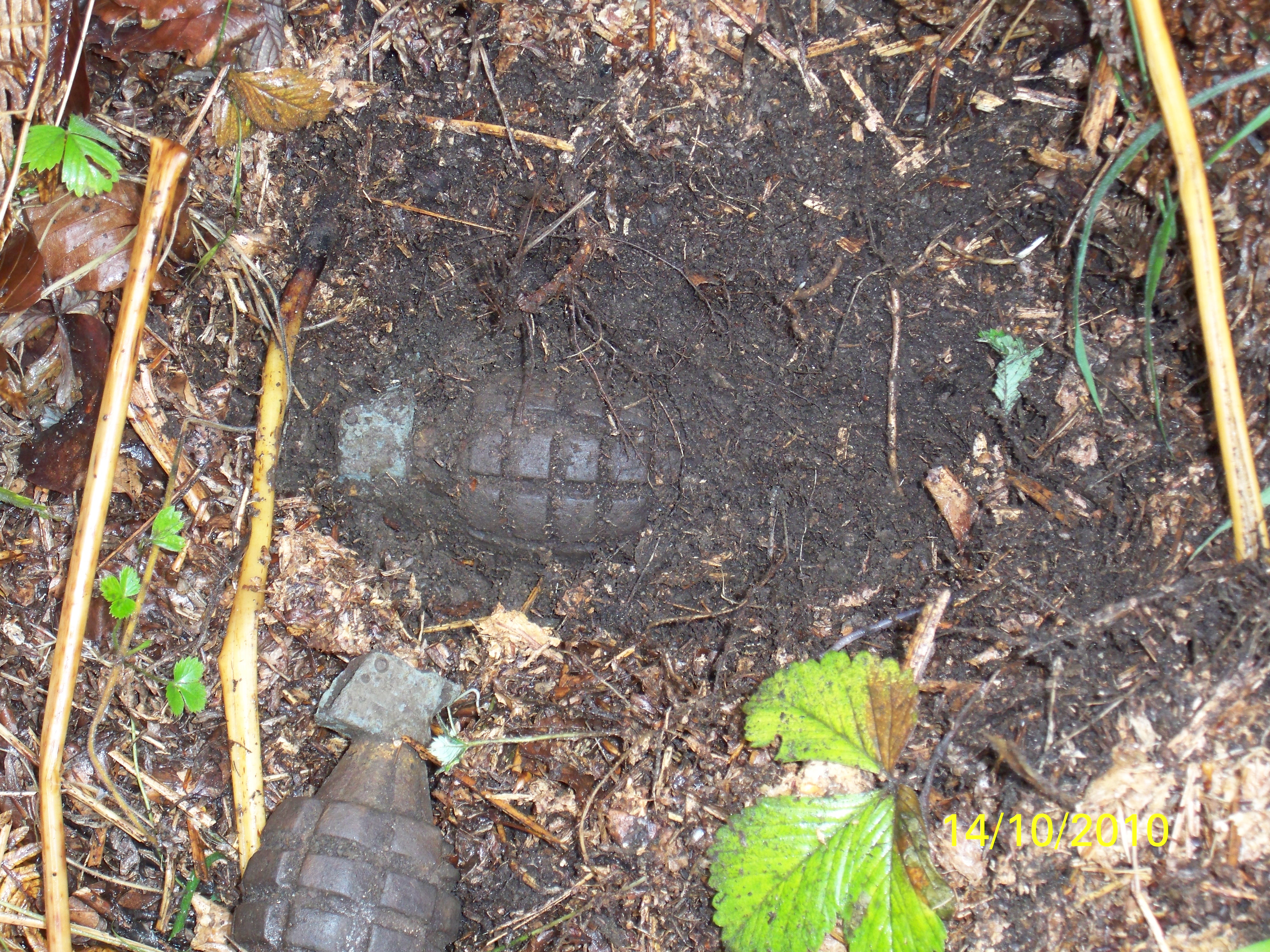
Although the percentage is very small, there are ammunitions that to an untrained and inexperienced eye appear as unfamiliar objects.
Either they look like something we can’t easily recognize or generally understand what it is, or they look like something completely unrelated, like a piece of machinery.
In any case, we must be particularly suspicious of any metal object we find in the countryside and always keep in mind the idea that the point we are at may be historically connected to an earlier war situation, camps, storage, battlefield, etc.
Simply put, “death still lurks in old battlefields”
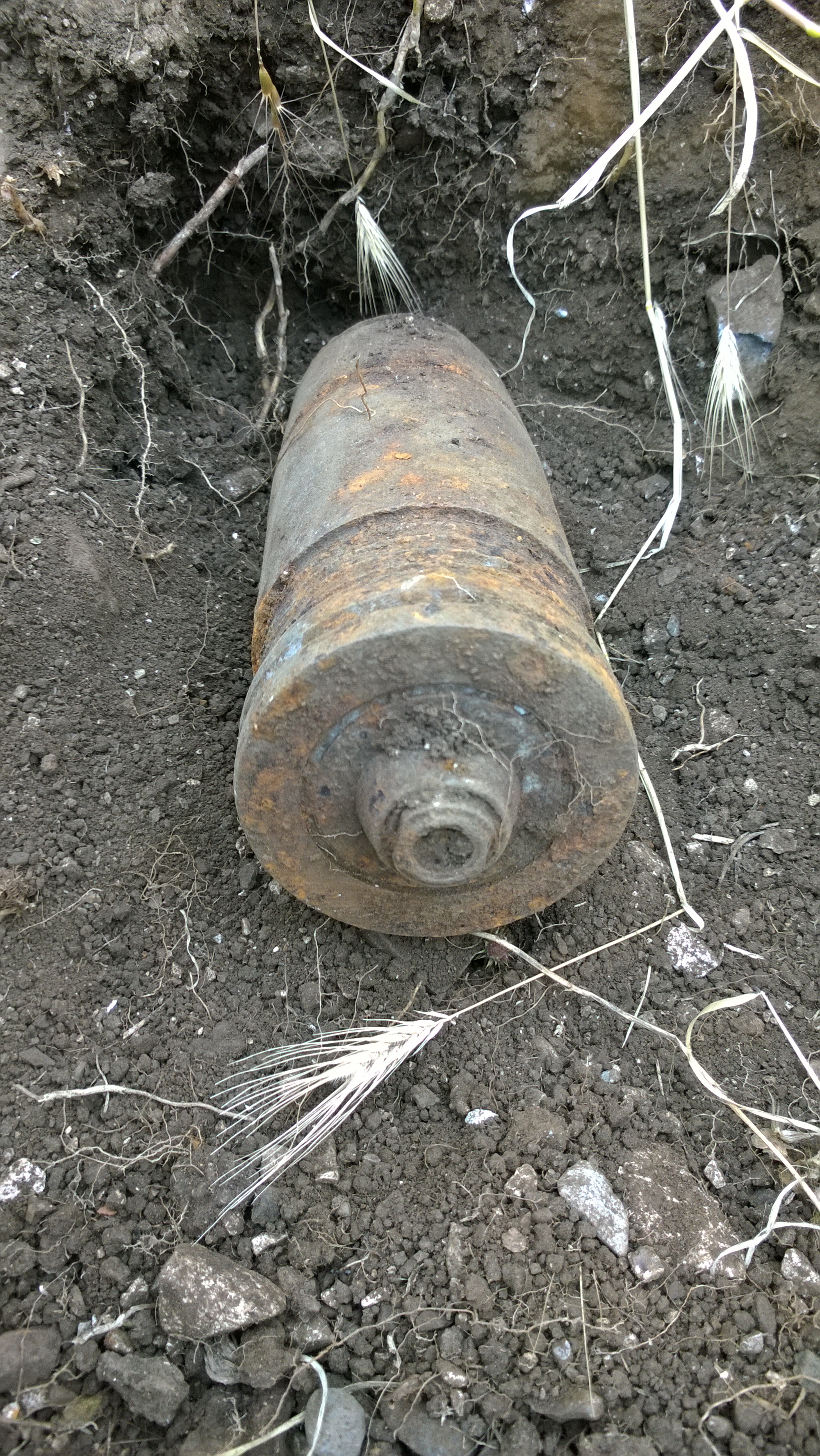
If we find ammunition or something that makes us suspect that it may be ammunition, we take the following actions:
1. We try to take a photo of the object from where we are and have realized that it is something suspicious without getting any closer.
2. We get a GPS position so that experts can be directed to the location even without in-person guidance.
3. If possible, place a sign, an upright branch or two stones one on top of the other, etc.
4. We move away from the point, following the exact same route as much as possible.
5. We notify the Police or 112.
6. We do not leave it there without notifying. We who found it may have the perception and maturity not to disturb it, but it may be found by someone else who will be more curious or even worse a child and not have a correspondingly mature reaction and be in danger. We do not consider the spot to be remote and therefore no one will come into contact with it. As we found it, anyone can find it.
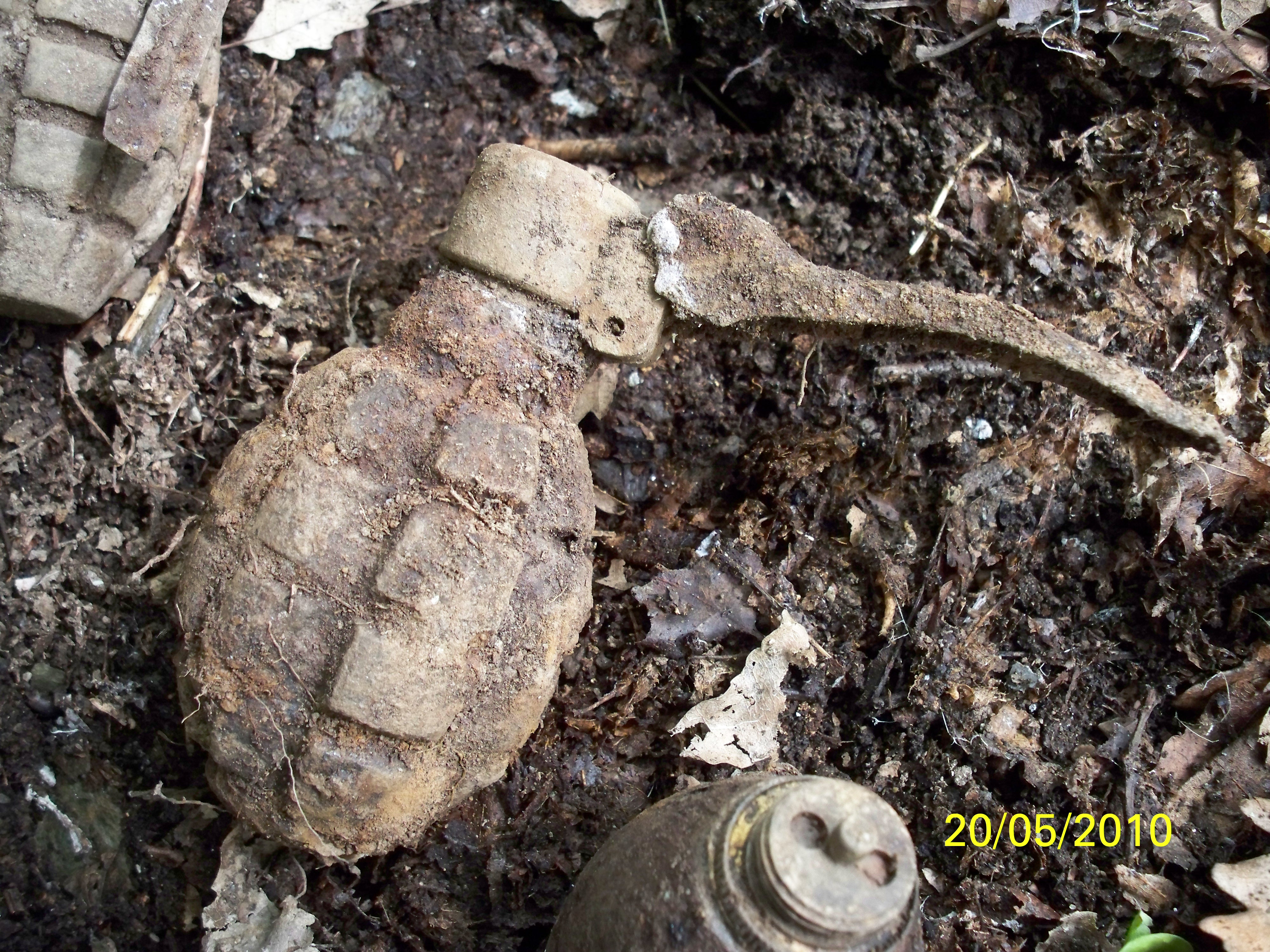
As soon as we notice a suspicious object that may be ammunition, we do the above and immediately move away in the manner we mentioned.
We do not approach any further, we do not stand at the spot any longer, we do not disturb it, nor do we try to investigate it in order to understand it better.
There are ammunitions that can explode with the slightest movement.
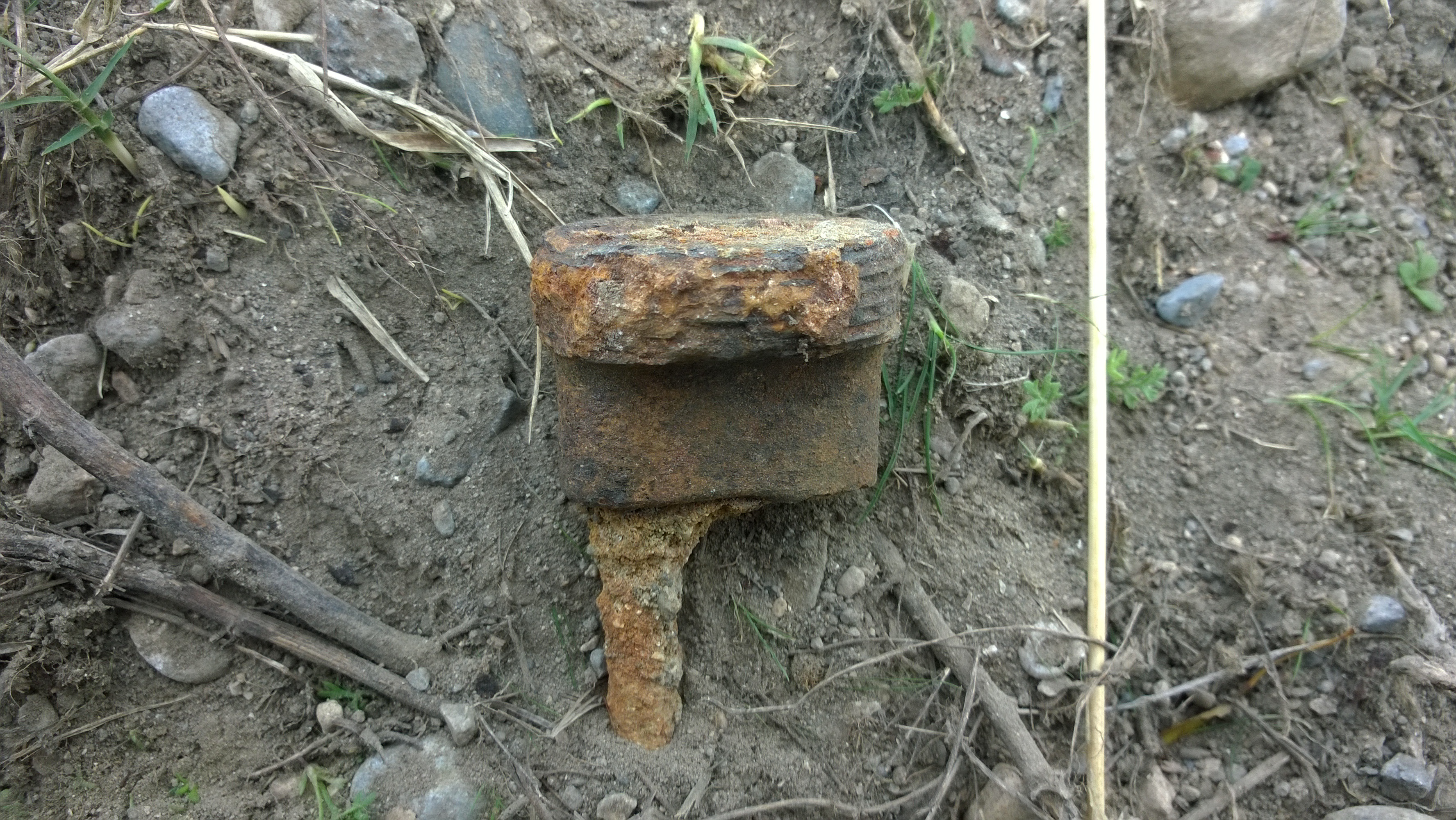
If someone wants to go to a remote spot in the countryside, especially in a mountain, it would be a good idea to first find out about the location, whether it was ever an area of military or war interest.
Very useful for this information is contact with locals as these are people who know the history of the place and which spots may be dangerous so they should not go.
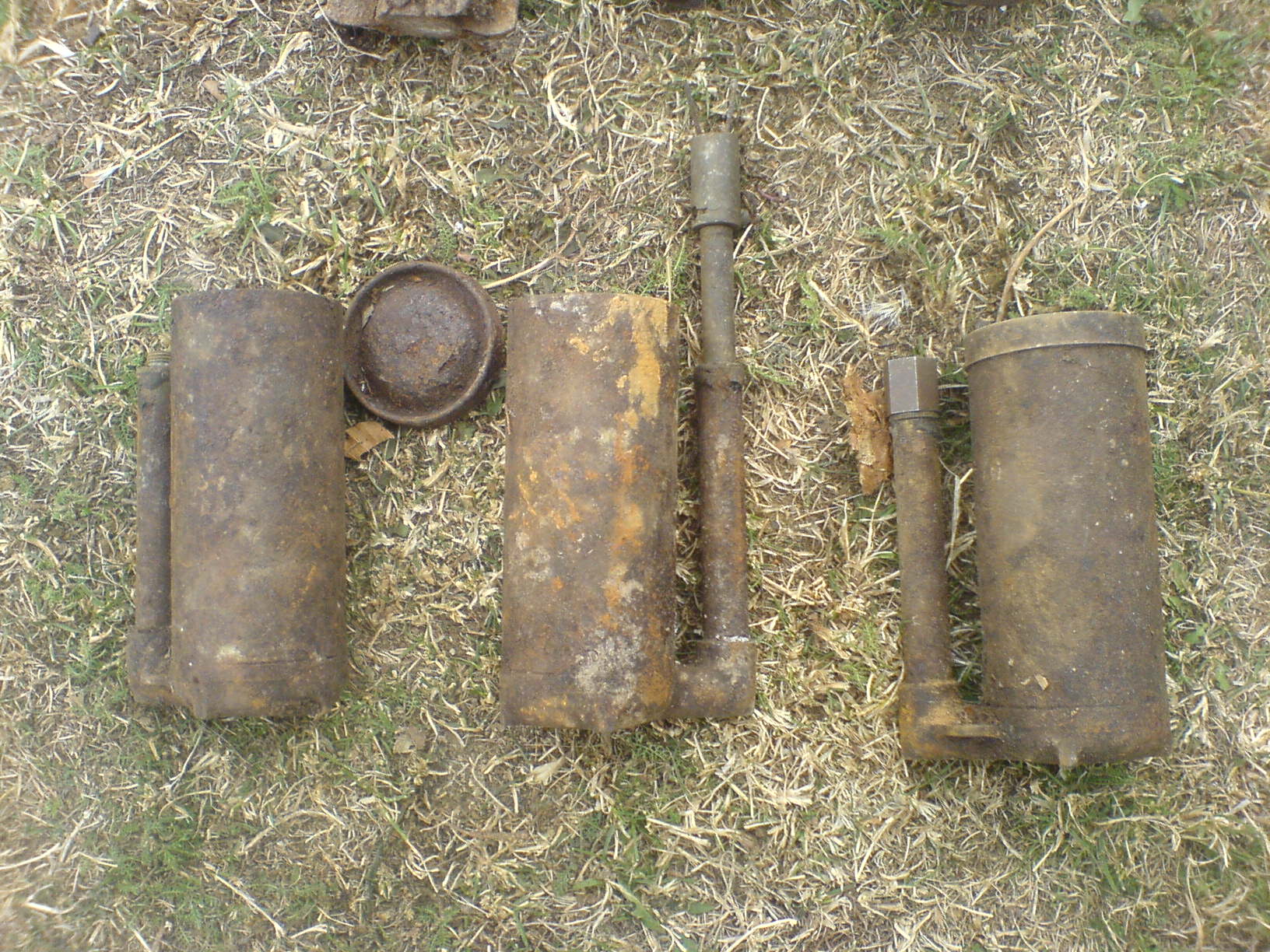
Also, pay close attention to artillery and Air Force firing ranges as these areas are areas that, due to their size, cannot be fenced off and while they are active firing ranges, apart from the signs that exist on the route that is usually approached, there are no other indications that this point may be a firing range.
It should be noted that the approach can also be made from other routes or paths that do not have the slightest marking. It is very important to be aware of the space in which we move.