


Uncover the mysteries of Tutankhamun! Explore his life, tomb, and treasures, learn teaching tips, and spark student curiosity about ancient Egypt’s fascinating history and culture.
Unraveling the Mysteries of Tutankhamun, the Pharaoh
Few historical figures captivate the imagination as Tutankhamun does. Known as the “Boy King,” his life and legacy offer a unique blend of mystery, history, and science that has fascinated the world for nearly a century. For educators, the story of Tutankhamun is an invaluable teaching resource—a gateway to ancient Egypt that can spark curiosity, foster critical thinking, and inspire cross-curricular learning. This blog aims to equip teachers with insights, ideas, and materials to bring Tutankhamun’s story to life in the classroom. Let’s dive into the enigmatic life of Tutankhamun, the breathtaking discovery of his tomb, the enduring enigma of the Tutankhamun curse and why his legacy remains significant today.
Tutankhamun: A Historical Overview
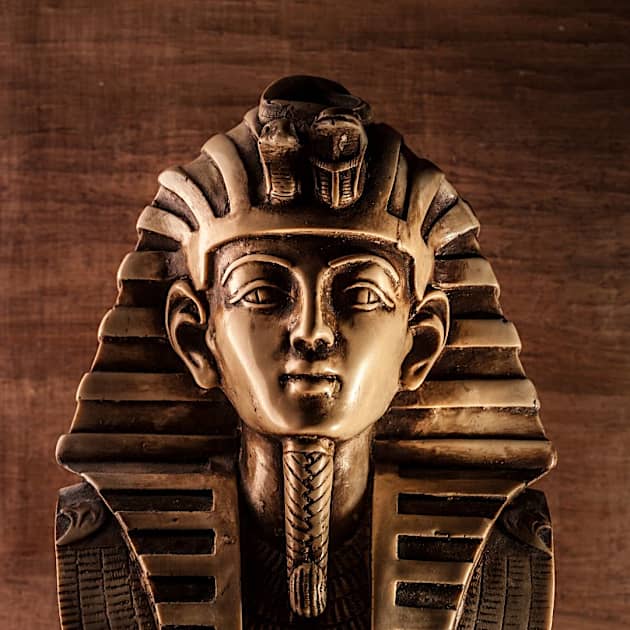
To bring Tutankhamun’s story into the classroom effectively, it is essential to begin with an accurate and compelling historical overview.
Key Facts About Tutankhamun’s Life, Reign, and Death
Tutankhamun’s significance lies not in his achievements during his brief reign but in the astonishing wealth of artefacts found in his tomb. These treasures, including the iconic Tutankhamun’s golden mask, provide invaluable insights into Ancient Egyptian culture, religious beliefs, and artistic sophistication. The questions: “Who was Tutankhamun?” and “Why is Tutankhamun significant?” are best answered through the lens of these discoveries, which continue to shape our understanding of his era.
Who Was Tutankhamun?
Tutankhamun, often referred to as the “Boy King,” ascended to the throne at the tender age of nine or ten around 1332 BCE. He ruled during the 18th Dynasty of Egypt’s New Kingdom period, a time of cultural and political upheaval. His reign lasted approximately ten years, and he is most remembered for restoring traditional Egyptian polytheism after his predecessor (likely his father, Akhenaten) had introduced monotheistic worship of Aten.
The Cultural and Political Context
Tutankhamun’s era was marked by efforts to stabilise a kingdom destabilised by Akhenaten’s religious reforms. Tutankhamun’s advisors, including the influential vizier Ay, played pivotal roles in reinstating traditional practices. His reign, though brief, symbolised a return to cultural continuity. Artefacts from Tutankhamun’s tomb reveal insights into ancient Egyptian beliefs about the afterlife, craftsmanship, and societal structure, making them invaluable teaching tools.
How Old Was Tutankhamun When He Died?
So, how old was Tutankhamun when he died? Scholars widely agree that he was about 18 or 19 years old. The question “How did Tutankhamun die?” has sparked decades of debate and has long intrigued researchers. Theories range from a chariot accident to genetic disorders or even murder. Modern science suggests he may have succumbed to a combination of malaria and a leg fracture. A recent analysis of his DNA and CT scans of his mummified remains revealed signs of inbreeding, which could have contributed to his frailty and early death.
Tutankhamun Facts
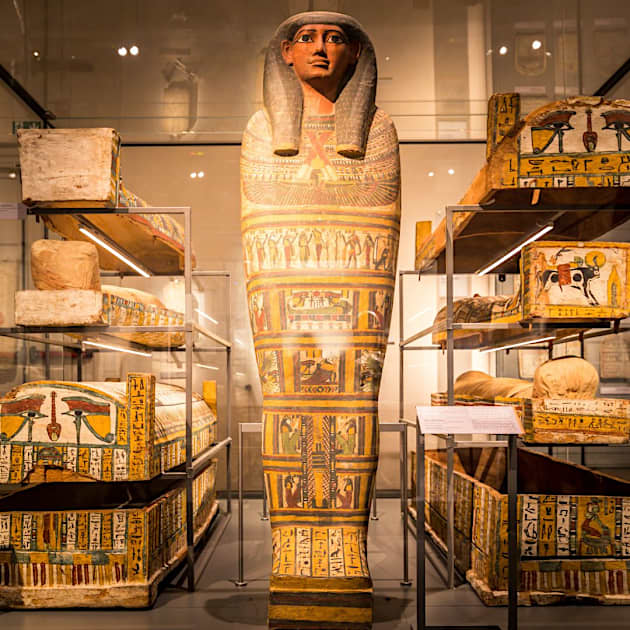
Let’s unearth some interesting lesser-known Tutankhamun facts. Did you know Tutankhamun owned a collection of ancient boomerangs, showcasing his skills as a hunter? His tomb also contained a set of gloves, which is rare in ancient Egyptian finds, suggesting he had a personal preference for fine accessories. He had a dagger made from meteoritic iron, hinting at the ancient Egyptians’ fascination with celestial materials. Among the treasures, archaeologists even found jars of honey, still preserved after thousands of years, which the Egyptians believed was a food fit for eternity.
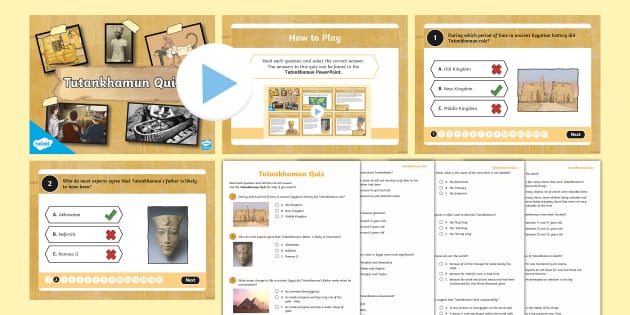
Dig up more interesting facts about Tutankhamun with this educational PowerPoint and quiz!
Myths of The Pharaohs Treasure of Tutankhamun
The discovery of Tutankhamun’s tomb brought tales of a mysterious “curse” to life. Stories of the Curse of Tutankhamun claim that anyone involved in the excavation was met with misfortune. This claim was popularised by the mysterious deaths of some involved in the excavation, and is a compelling topic for discussion.
Scientists have largely debunked the myth, attributing these deaths to natural causes. Despite this, the Curse of Tutankhamun provides an engaging way to explore how myths can shape perceptions of historical events. It also offers a chance to discuss how sensationalism can overshadow facts and examine how myths evolve.
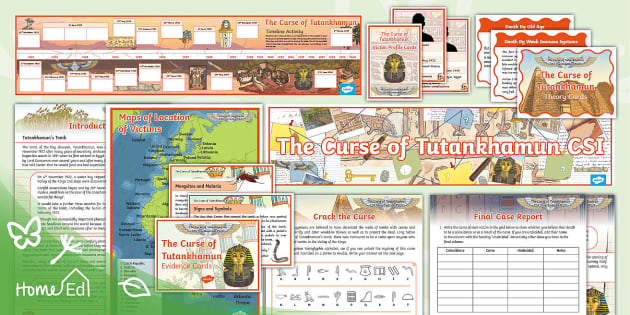
Use this resource to explore the myth’s origins. Challenge students to separate fact from fiction, fostering skills in critical analysis and media literacy.
The Discovery of the Tomb
The discovery of Tutankhamun’s tomb is one of archaeology’s most iconic moments. It offers an extraordinary lens through which educators can teach students about history, archaeology, and storytelling.
How Howard Carter Discovered Tutankhamun’s Tomb
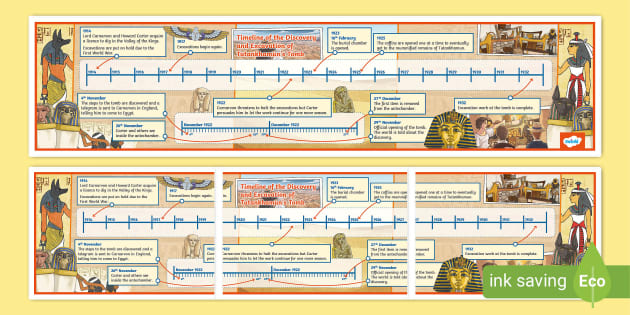
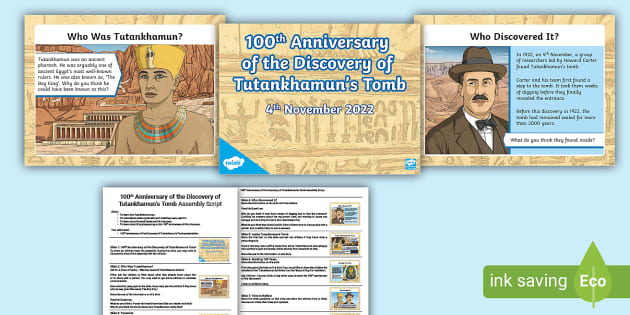
In November 1922, British archaeologist Howard Carter made one of the most significant archaeological discoveries of all time—the tomb of Tutankhamun. Located in the Valley of the Kings, the tomb was remarkably intact, containing over 5,000 artefacts. When asked “Where was Tutankhamun found?” students might be surprised to learn that his tomb had been hidden beneath debris from later tombs, preserving its treasures from grave robbers. The tomb’s preservation is often attributed to its small size and inconspicuous location.
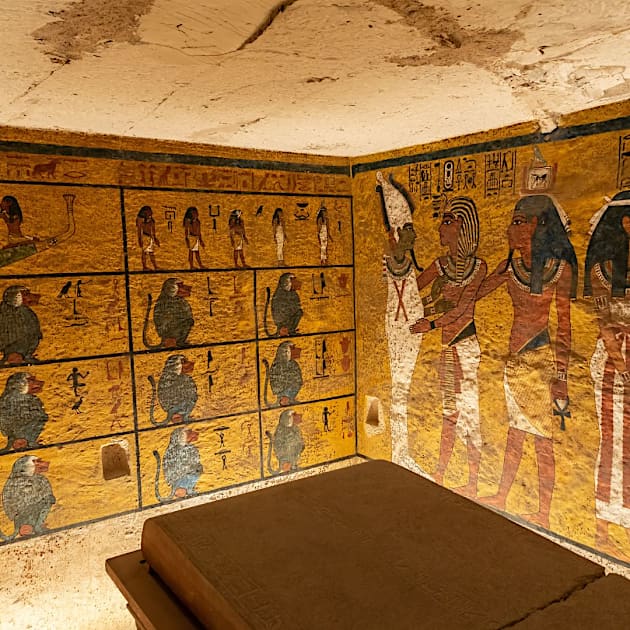
The moment of discovery was immortalised in Carter’s own words: “As my eyes grew accustomed to the light, details of the room within emerged slowly from the mist, strange animals, statues, and gold—everywhere the glint of gold.” The discovery electrified the world, marking a turning point in Egyptology.
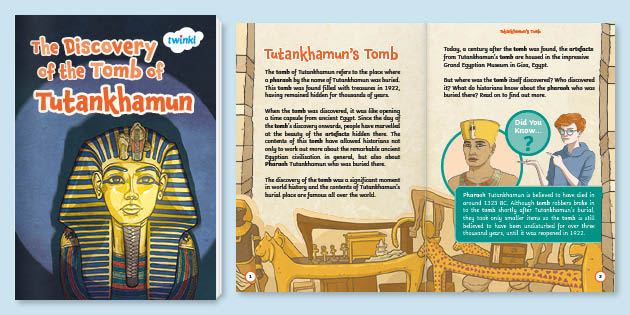
Artefacts from Tutankhamun’s Tomb
Artefacts from Tutankhamun’s tomb reveal insights into ancient Egyptian beliefs about Tutankhanmum’s afterlife, craftsmanship, and societal structure, making them invaluable teaching tools.
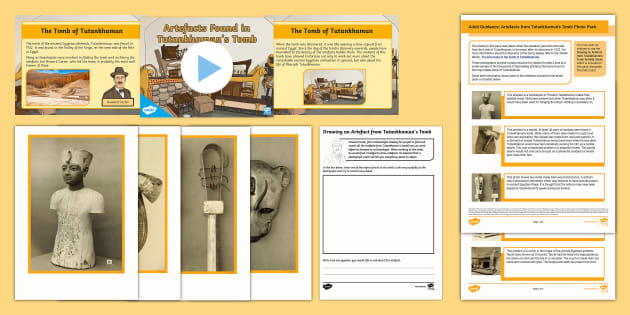
Tutankhamun’s tomb was modest compared to other pharaohs, leading some to speculate that his death was unexpected, and that his tomb may have originally been intended for another individual. Despite this modest burial site, his tomb contained over 5,000 artefacts, including his stunning golden mask, jewellery, chariots, weapons, and even food. These items offer a wealth of information about ancient Egyptian beliefs, daily life, and funerary practices.
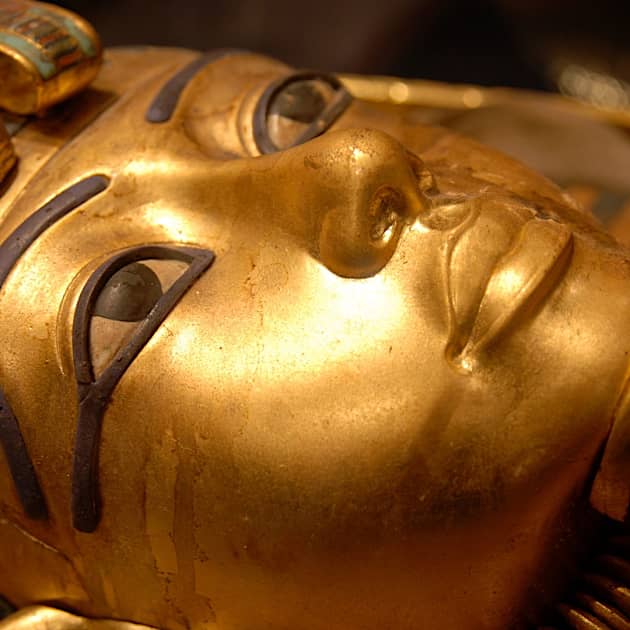
The concept of the Tutankhamun afterlife is vividly illustrated by the presence of amulets, canopic jars, and the “Book of the Dead” passages inscribed on tomb walls, emphasising the importance of preparing for eternity. Tutankhamun’s mask is perhaps the most iconic artefact, representing both the king’s visage and the religious significance of the afterlife. Crafted from gold and inlaid with semi-precious stones, the mask exemplifies the artistry of ancient Egypt.
Tutankhamun Afterlife and Religious Beliefs
The tomb’s contents reflect ancient Egyptians’ beliefs about the afterlife. Items such as food, weapons, and even a game board were included to ensure the king’s comfort in the next world. Discussing these artefacts with students can open conversations about the cultural importance of the afterlife in ancient Egypt and how such beliefs shaped their daily lives and monumental architecture.
Impact on Archaeology and Global Fascination
Discovering Tutankhamun’s tomb revolutionised archaeology, introducing meticulous excavation techniques and inspiring a wave of public fascination with ancient Egypt. The treasures, including Tutankhamun’s golden mask, became global symbols of the civilisation’s grandeur.
Exhibitions of artefacts from Tutankhamun’s tomb have drawn millions of visitors worldwide, spreading knowledge and appreciation of ancient Egyptian culture.
Teaching Ideas: How to Bring Tutankhamun into the Classroom
To make Tutankhamun’s story come alive for students, educators can use a variety of creative and interdisciplinary approaches. Here are some practical ideas:
History Lessons: Storytelling the Discovery
Frame the story of discovering Tutankhamun’s tomb as a mystery waiting to be solved. Encourage students to analyse the historical context and its impact on modern archaeology, delving into questions like “Why is Tutankhamun significant?” Children can refer to Tutankhamun facts, such as his efforts to restore traditional worship, to debate his historical significance.
Science: Solving Historical Mysteries
The mummification process of Tutankhamun, combined with modern scientific techniques, has allowed researchers to explore the enduring question: “How did Tutankhamun die?” Rooted in ancient Egyptian beliefs about the afterlife, mummification involved the meticulous removal of internal organs, dehydration of the body with natron salts, and the wrapping of the corpse in linen. Thanks to advanced forensic methods such as CT scans and DNA analysis, scientists have uncovered important details about his health, age, and the techniques used to preserve his body.
This topic presents a unique opportunity to introduce students to genetic analysis and imaging technologies, blending science with history. Students can engage in debates over theories regarding the causes of the young Pharaoh’s death, such as the role of disease versus injury.
Tours Through Technology
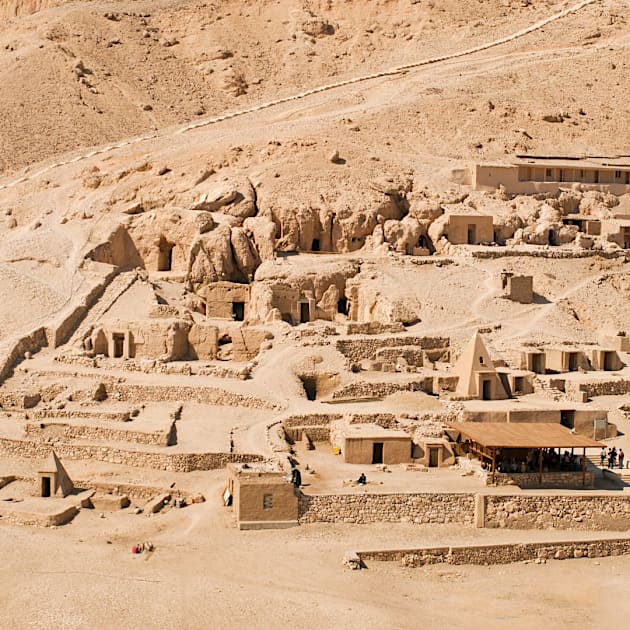
Technology offers exciting opportunities to teach children about the fascinating history of Tutankhamun. Virtual tours of his tomb in the Valley of the Kings allow students to explore the intricate chambers and artefacts from the comfort of their homes or classrooms, providing an immersive experience that brings ancient Egypt to life.
Interactive online museum resources, such as 3D models of Tutankhmun’s treasures and educational videos, offer engaging ways for children to learn about his life, reign, and the significance of his tomb’s discovery. These digital tools make history accessible, enhancing students’ understanding while sparking their curiosity about archaeology and ancient cultures.
Art and Culture
Encourage students to create their own interpretations of Tutankhamun’s mask or design artefacts inspired by the treasures of his tomb. Incorporating this activity promotes creativity while deepening their appreciation for ancient Egyptian art. This activity can be enriched by discussing the craftsmanship and symbolism of these items.
Beyond the Gold Mask: Lessons in Archaeology and Ethics
Tutankhamun’s story also provides an opportunity to foster critical thinking about broader issues in archaeology and cultural heritage.
Examining Ethical Questions
The discovery of Tutankhamun’s tomb raises important ethical questions about artefact ownership and cultural heritage. Who owns these artefacts? Should they remain in their country of origin, or is it acceptable for them to be displayed internationally? Exploring these topics helps students understand the complexities of preserving history while respecting cultural heritage.
Engage students in healthy classroom debates about the ownership of cultural treasures like those found in Tutankhamun’s tomb. They can discuss the implications of removing artefacts from their original locations, modern-day repatriation efforts and the role museums play in educating the public.
The Role of Modern Technology
Today’s archaeologists use advanced tools like CT scans, 3D modeling, DNA and AI to study ancient remains while minimizing damage. These technologies have revolutionised our understanding of the life and death of Tutankhamun. They help us peek into the past and shed light on his health, family lineage, and burial practices. Discussing these advancements in science in the classroom can help bridge the gap between history and science and debunk many mysteries that shroud ancient civilisations.
Sealing the Tomb
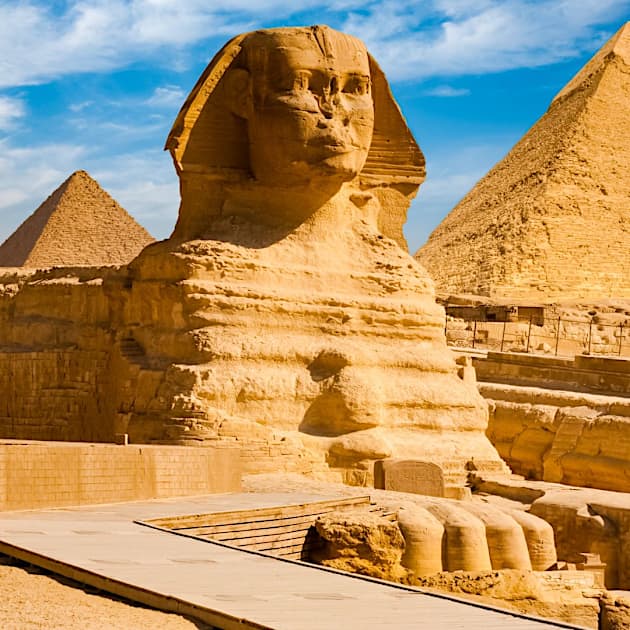
Tutankhamun’s life, death, and the discovery of his tomb offer a captivating journey through history that seamlessly blends archaeology, culture, and storytelling. His tale is not just about gold and grandeur but also about the resilience and richness of ancient Egyptian civilisation. By incorporating interactive and interdisciplinary approaches, educators can inspire students to appreciate the complexity of history and the enduring relevance of Tutankhamun’s legacy.
Whether delving into the myths of the Tutankhamun curse, marvelling at the treasures in his tomb, or discussing the ethical questions his discovery raises, there is no shortage of ways to bring his story to life in the classroom. Let Tutankhamun continue to reign as a source of wonder, curiosity, and learning in classrooms around the world.