


The first United States Air Force aircraft specifically built for close air support of ground operations is the A-10C Thunderbolt II. The Warthog, as it is also known, is a simple and tough twin-engine jet that was essentially built around the enormous cannon mounted in its nose with one purpose: to destroy.
The armament and ordnance of the A-10 are effective against tanks and other armored vehicles, as well as light maritime attack aircraft and essentially any land target. The Thunderbolt II’s 30mm GAU-8/A Gatling gun can fire 3,900 rounds per minute. Some of their other equipment includes electronic countermeasures, target penetration aids, self-defense systems, and a variety of guided and unguided air-to-surface weapons.
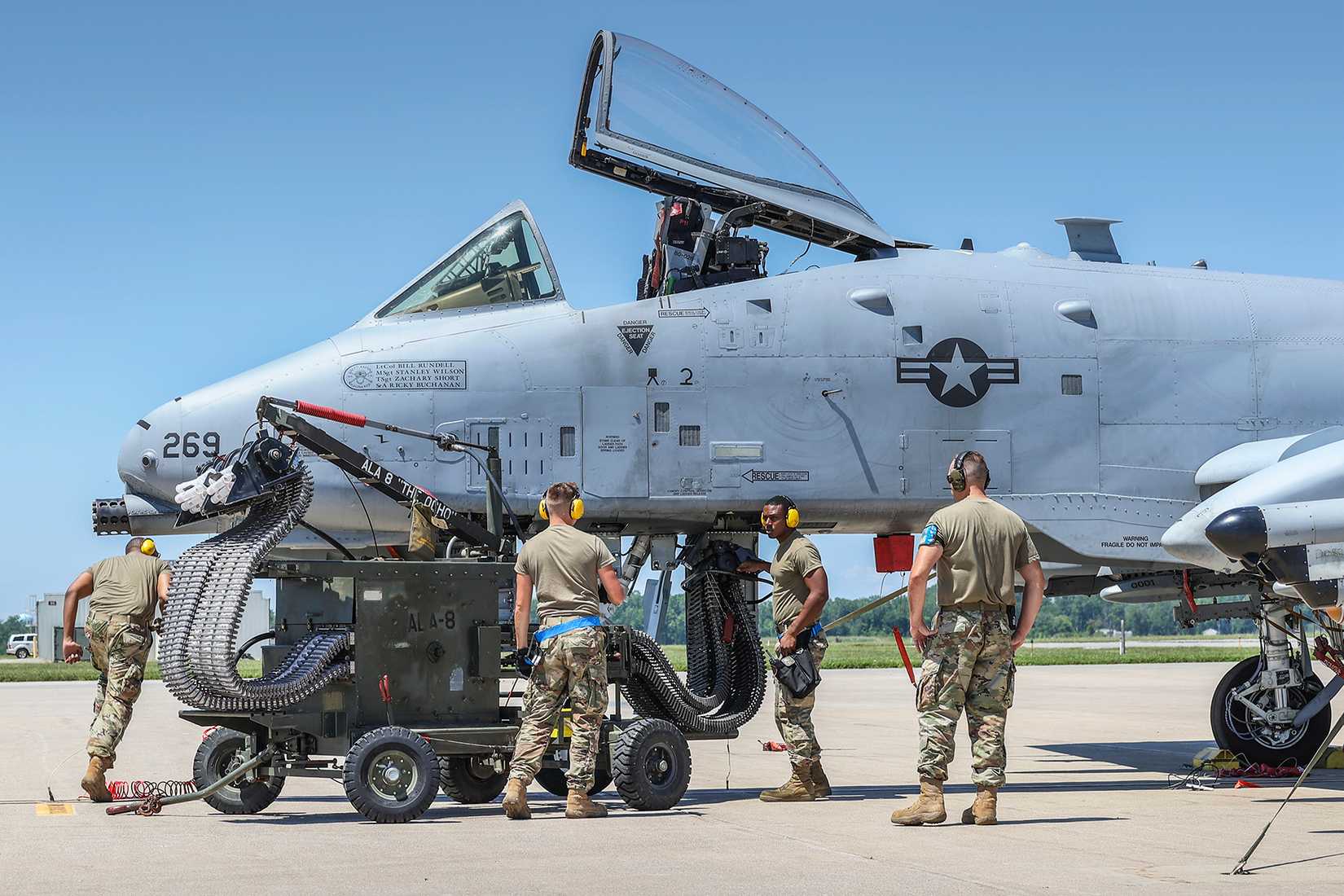
“The gun is my favorite,” said US Air Force Capt. Alex Boules. “Squeezing the trigger is an incredibly unique feeling. It’s like driving over speed bumps. There’s nothing like it – like Chewbacca with chainsaws.”
The A-10 Warthog can withstand direct strikes from high-explosive projectiles up to 23mm and armor-piercing bullets. Foam on the inside and outside protects their self-sealing fuel cells. Their backup hydraulic flight-control systems are manual systems. This enables pilots to land and fly in the event that hydraulic power is lost due to combat damage.
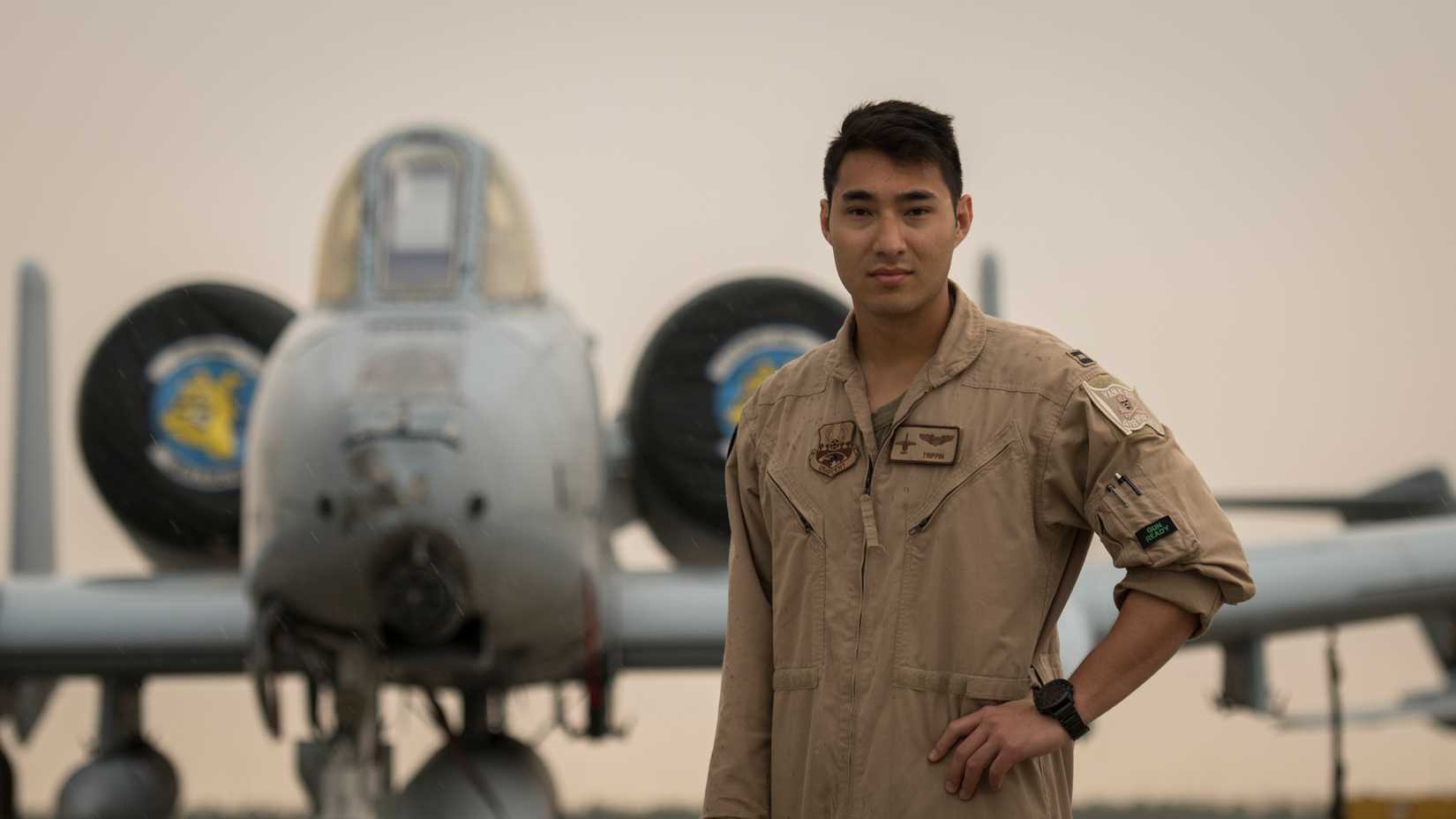
A-10 aircraft flew 8,100 sorties, launched 90% of the AGM-65 Maverick missiles, and had a mission-capable rate of 95.7% throughout the second Gulf War. So with a resume that goes that hard, it’s pretty easy to see why the A-10 earned the honorary title of “flying tank.”
Tales from the Warthog drivers
Combat is nothing new to Colonel Dressel, who was assigned to the 75th Fighter Squadron at Moody Air Force Base, Georgia, in 2008. He has served in support of Enduring Freedom, Iraqi Freedom, Southern Watch, and Desert Storm. He stated that he would rather be deployed than anywhere else.
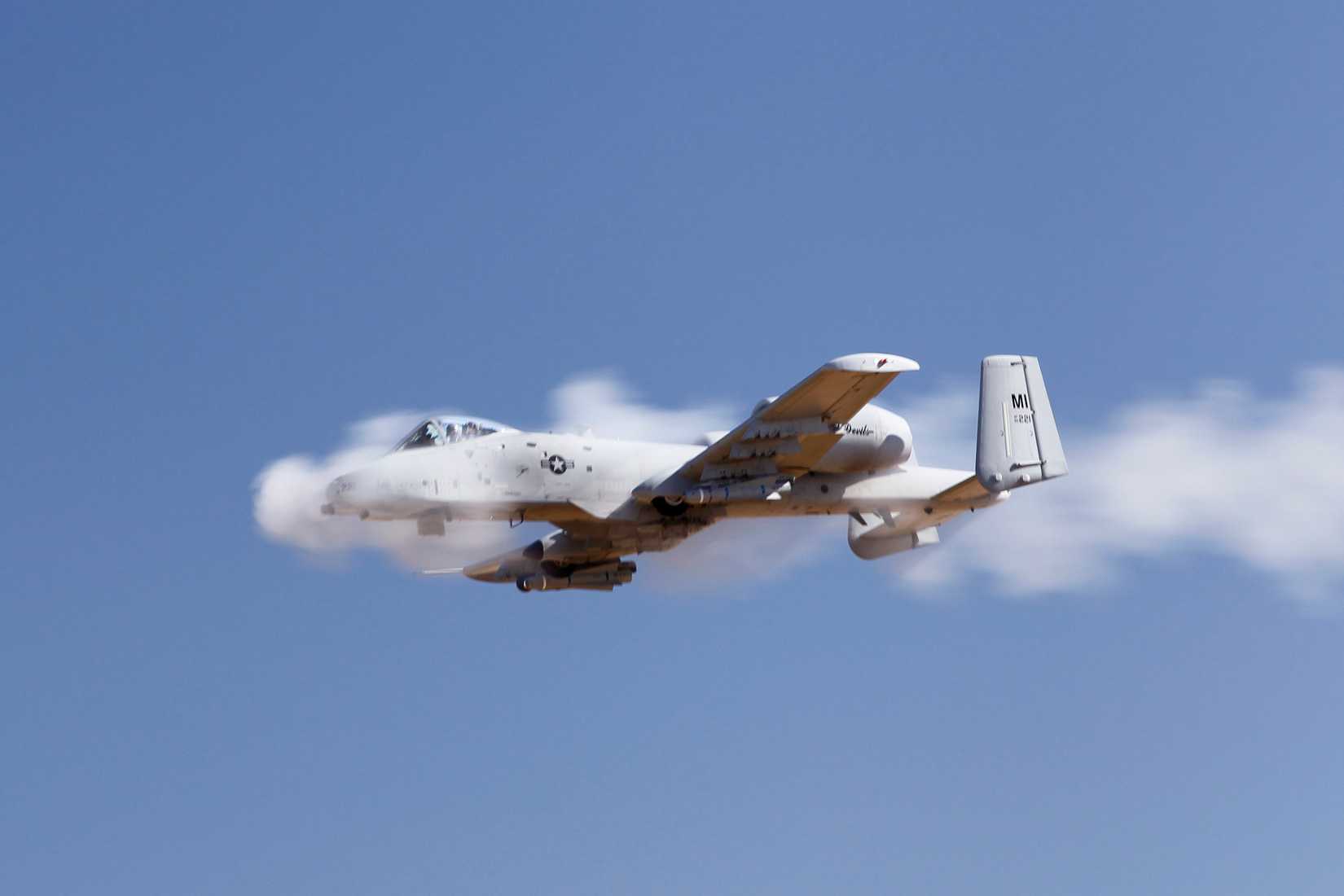
“Our job is to support the guys on the ground,” said Dressel. “Unlike other aircraft, that’s our main focus – providing close air support to guys on the ground, slugging it out day after day, 24/7.”
“Back home you rate your success on how well you performed,” he continued. “Here, you rate your success on how well the ground guys do. Our success comes down to whether or not the ground commander was able to accomplish his mission.”
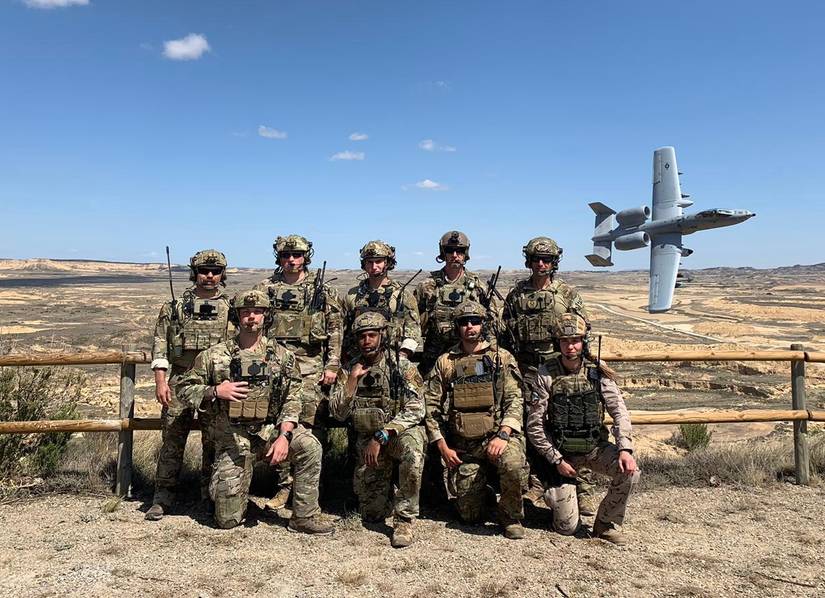
“The biggest win is getting a call that a ground controller is taking significant fire, and they don’t have the mobility to maneuver around that,” said the director of operations for the 75th Expeditionary Fighter Squadron at Kandahar Airfield during an interview in 2019.
“They tell you where the fire is coming from, and within seconds you are in there with your weapons systems.”
“The next call you receive there is silence in the background, and all you hear is ‘hog good effect.’ And you can hear the instant relief in their voice,” he continued. “Being able to help with troops in contact and then hearing that quiet is something special.”
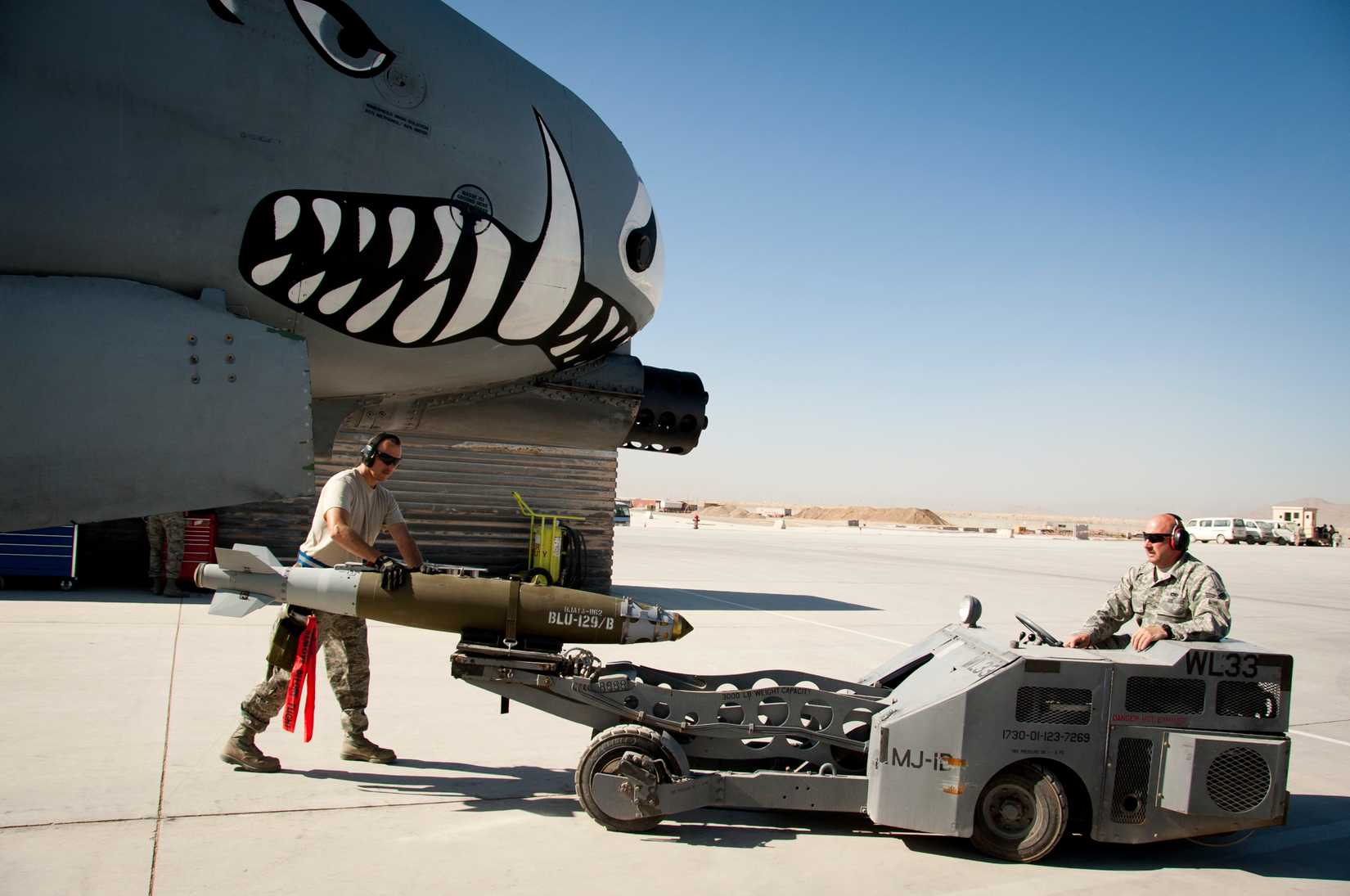
Throughout Afghanistan, the 75th Expeditionary Fighter Squadron supported American and allied forces with close air support as well as personnel recovery, also known as search and rescue (SAR) or combat search and rescue (CSAR) in active conflict zones.
Pilots and maintainers work closely together to make sure they are ready for any mission that is put in front of them in order to accomplish this successfully. Airman 1st Class Brenna Velasco is responsible for doing inspections on A-10s after a mission as well as loading munitions.
“What I do is amazing because I know that the munitions I put on that jet are going out to accomplish a mission,” Velasco said. “A lot of people don’t see what gets done over here, but I get to see it every day.”
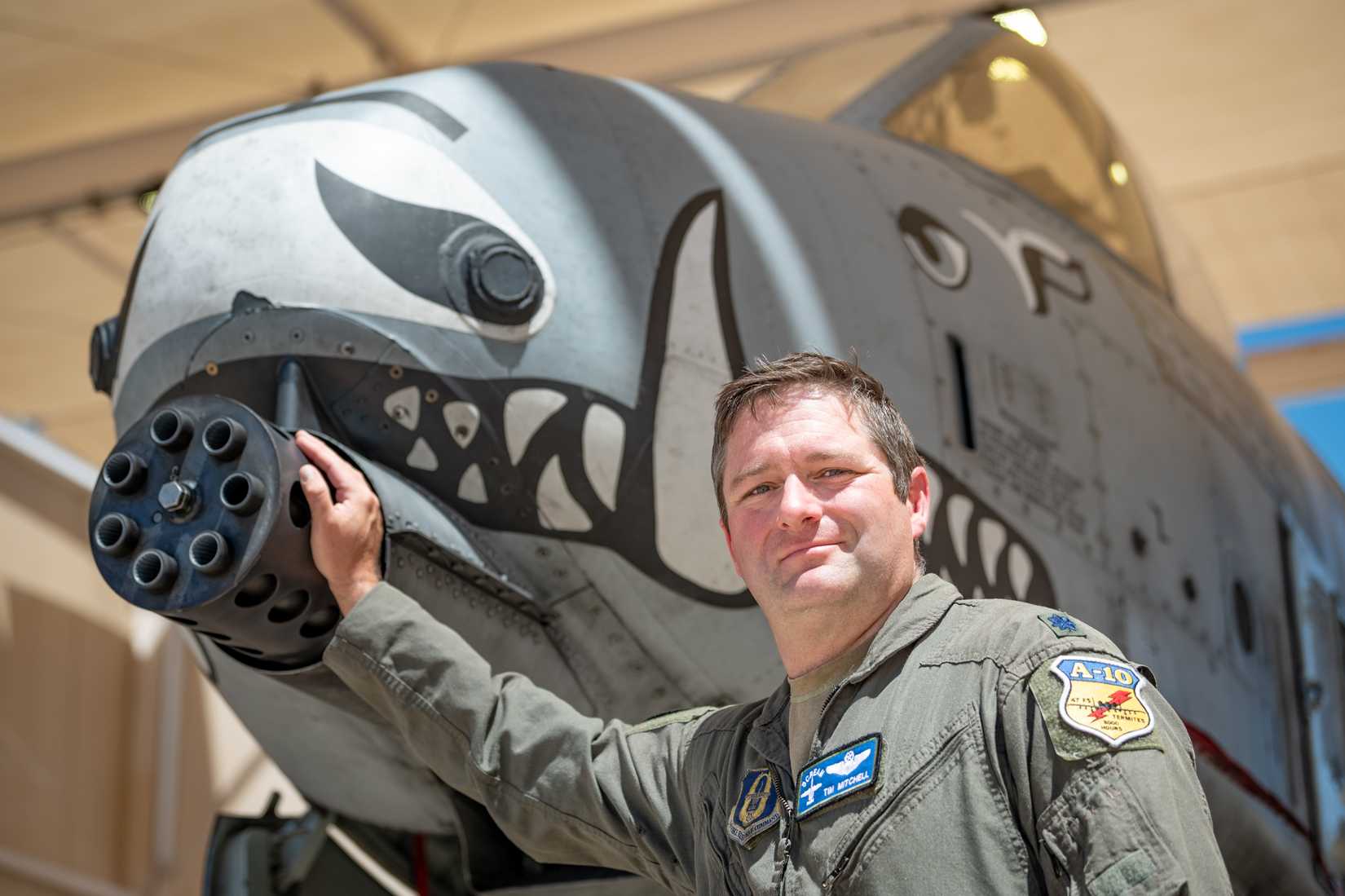
Lt. Col. Timothy “Scream” Mitchell, a US Air Force Reserve Citizen Airman who has flown the A-10 for almost 20 years, was honored in 2024 with a safety award for a career that embodies the spirit of the A-10 and those who fly and support it.
“People always get lost and enamored about the aircraft,” explained Mitchell, a Lockney, Texas native and graduate of Texas A&M. “But the number one thing is the community that is dedicated to it.”
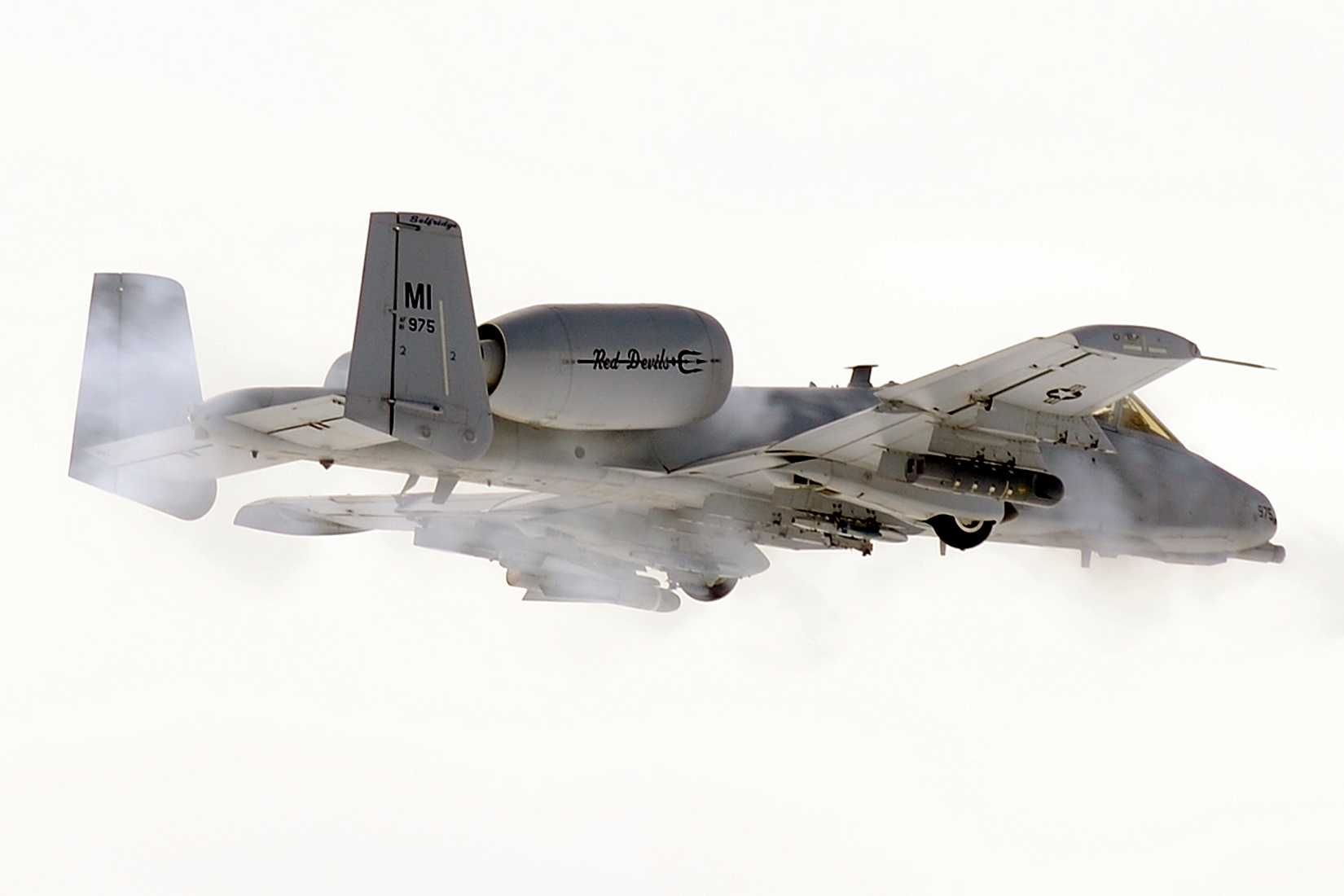
“I love the A-10. I love the mission,” said Capt. Dylan “Mac” Vail, is an active-duty pilot with the 357th Fighter Squadron. “But what makes it special is the people—the community of pilots who have dedicated themselves to this aircraft and what it stands for.”
Supporting boots on the ground
After World War II, the development of conventionally armed attack aircraft in the US halted, with design efforts shifting towards high-speed nuclear delivery systems like the McDonnell F-101 Voodoo and Republic Aviation F-105 Thunderchief.
During the Vietnam War, the primary ground-attack aircraft was the Douglas A-1 Skyraider, which, although effective during the Korean War, had become slow and vulnerable, suffering heavy losses to small-arms fire. This prompted a demand for a specialized attack aircraft.
Secretary of Defense Robert McNamara assigned the USAF the task of creating two tactical aircraft in 1961: a fighter-bomber type, the McDonnell Douglas F-4 Phantom II, and a long-range strike, the Tactical Fighter Experimental (TFX), which later became the F-111 Aardvark. The Phantom was successful, although it had drawbacks such as limited loiter time, poor performance at low speeds, and expensive operating costs.
Initially considering the Northrop F-5, the USAF sought a low-cost aircraft to supplement the F-4 and F-111. A 1965 study shifted focus to the A-7D variant of the LTV A-7 Corsair II, although its costs escalated due to upgrades for the engine and avionics.
Making the Warthog
Initiating the development of a specialized Close Air Support (CAS) aircraft in 1966, USAF Chief of Staff General John P. McConnell created the A-X program office. The USAF requested proposals for the A-X from 21 defense contractors in 1967.
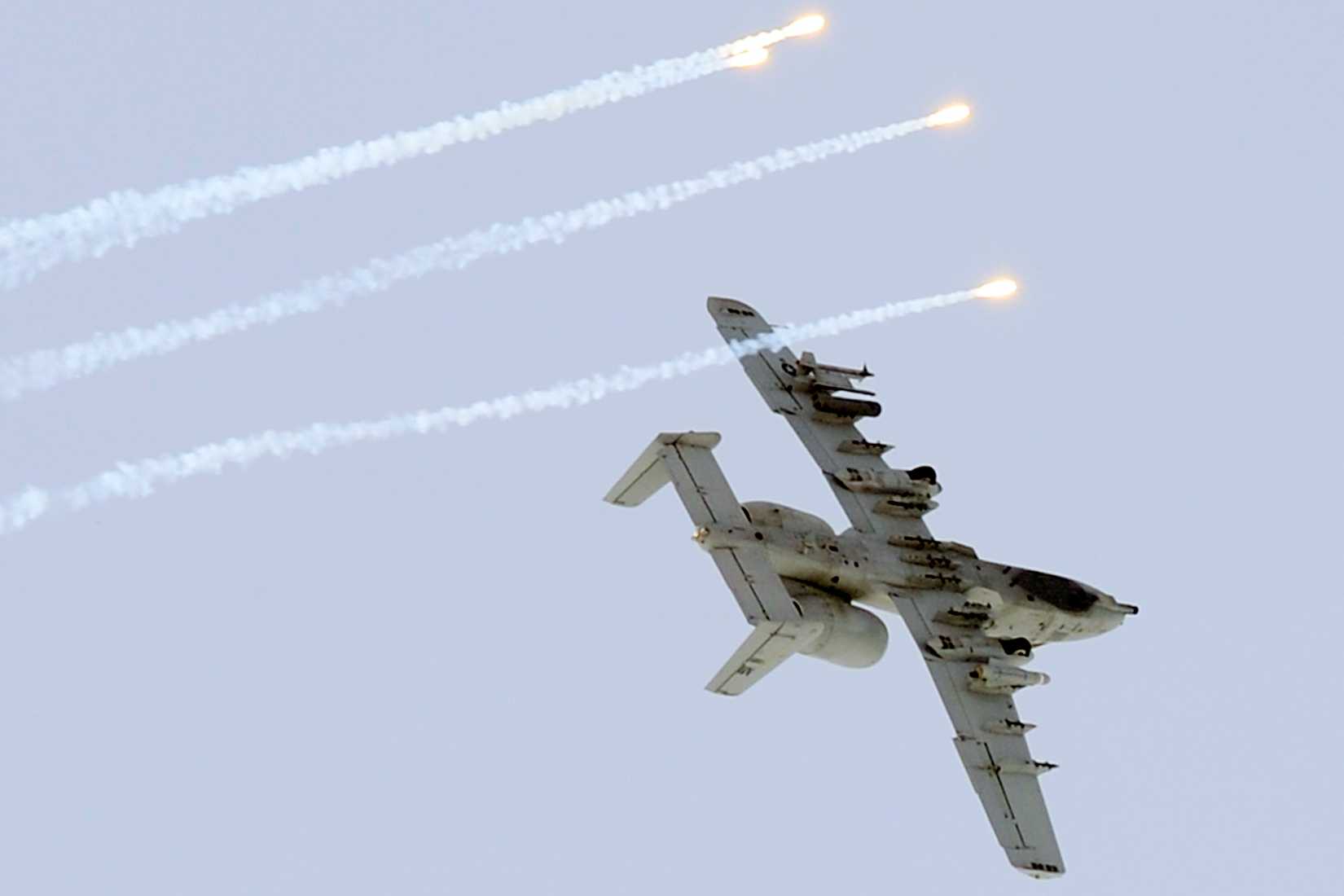
In May 1970, the USAF issued a more detailed request that incorporated the escalating threat from Soviet armored forces. The updated requirements included designing the aircraft with a 30 mm rotary cannon. Specifications demanded a maximum speed of 460 mph, a takeoff distance of 4,000 feet, and the ability to carry a 16,000-pound external load, as well as a mission radius of 285 miles – all for a unit cost of $1.4 million.
The A-X was meant to be the USAF’s first aircraft dedicated exclusively to the CAS mission. Among the six companies that submitted proposals, Northrop and Fairchild Republic were chosen to develop the YA-9A and YA-10A prototypes, respectively, with General Electric and Philco-Ford tasked with building GAU-8 cannon prototypes.
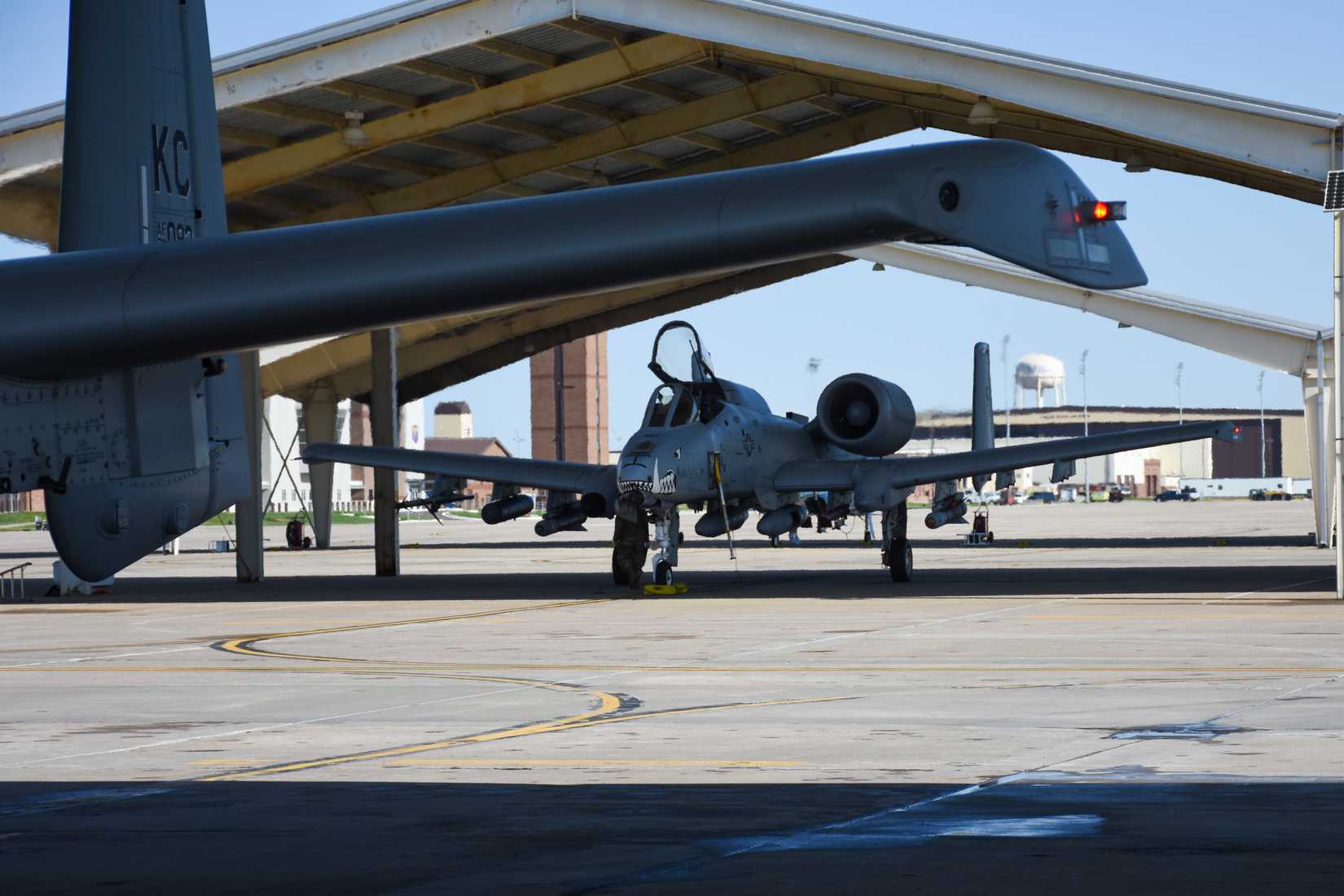
The YA-10 first flew in 1972, and by 1973, the USAF selected the YA-10 for production with the GAU-8 cannon contracted in 1973 as well. The first production A-10 took flight in 1975, with deliveries beginning that same year.
An experimental two-seat A-10 version was also built, but ultimately, this trainer version was cancelled, and the only two-seat A-10 is now at Edwards Air Force Base’s museum.

Related
GAU-8 Avenger: What Makes The A-10 Warthog Go “BRRRT”?
The gun can fire at a speed of 2,400 mph.
Jan 4, 2025
By the numbers
October 1975 saw the delivery of the first A-10A in production to Davis-Monthan Air Force Base in Arizona. Created expressly for CAS duty, it combines great on-station loiter time, a wide combat radius, and exceptionally high ordinance payload capacities.
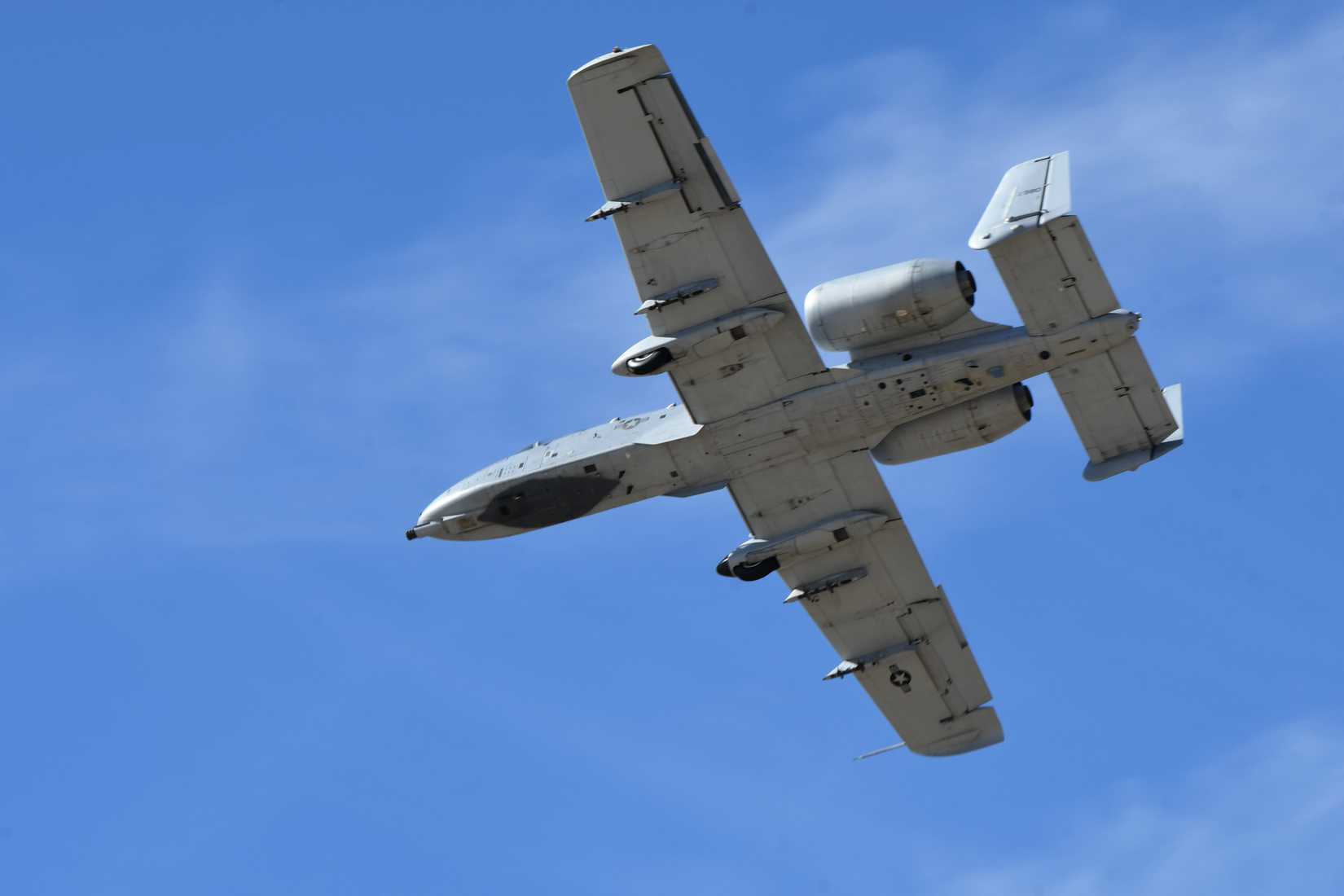
Excellent at maneuvering at low speeds, the A-10C Thunderbolt II is a highly accurate weapons platform that can loiter close to the frontline for extended mission times. The Warthog is still combat-capable in weather as bad as 1,000-foot ceilings with 1.5 miles of visibility, allowing pilots to take off and land in harsh conditions at austere fields.
The Warthog has a bubble canopy for ideal pilot visibility, helmet-mounted cueing systems, and avionics that are compatible with Night Vision Goggles (NVIS), giving pilots unhindered vision in the dark. The cockpit is surrounded by a titanium armor “bathtub” to improve survivability during close air support missions, as well as extensive built-in redundancy in the flight-control systems.
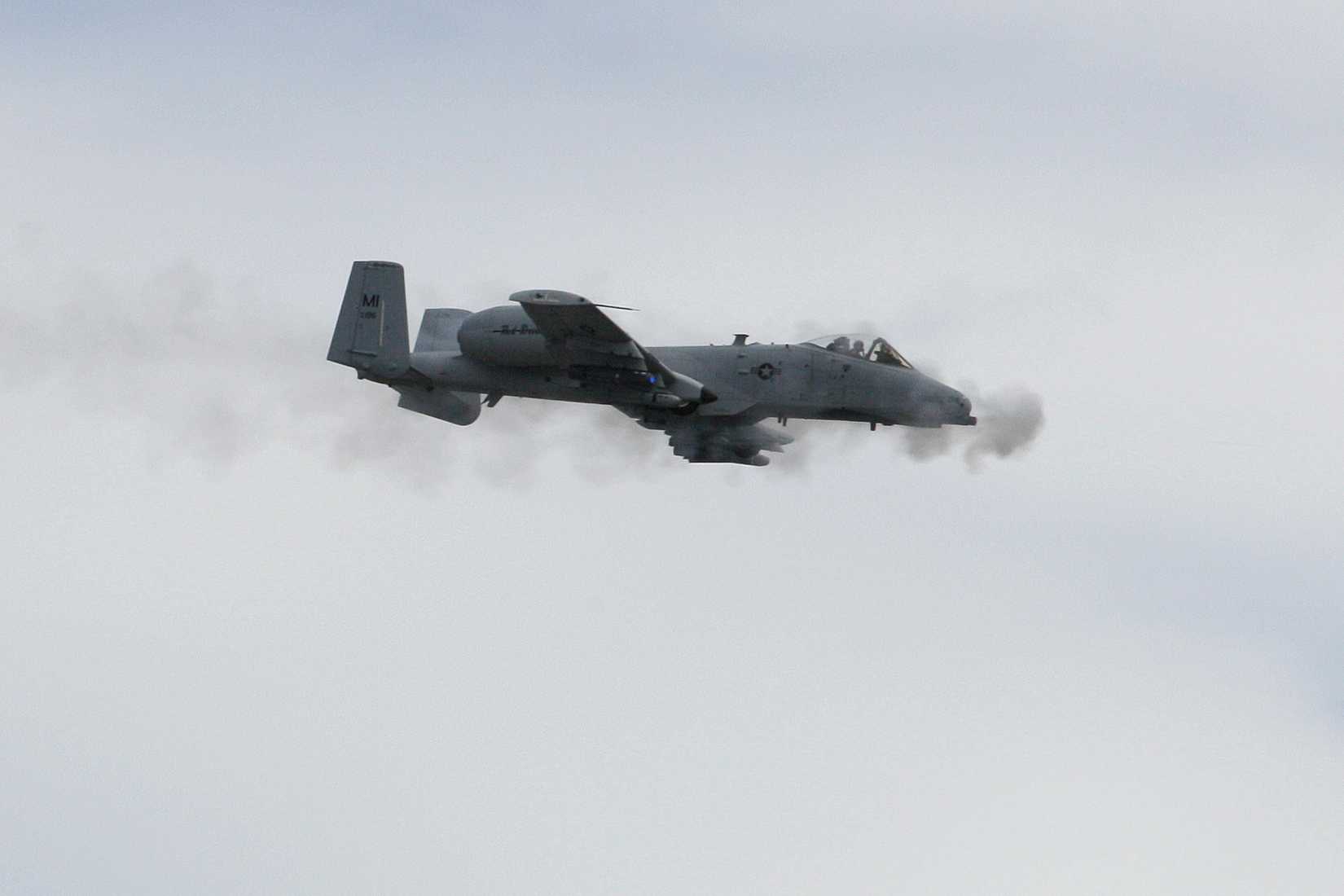
All of the qualities of the “Hog” were crucial advantages for the US troops and allies during Operation Desert Storm and Operation Noble Anvil. Below are key specs from the US Air Force Fact Sheet that spell out all the technical details of the A-10C Thunderbolt II:
- Primary Function: close air support, airborne forward air control, combat search and rescue
- Contractor: Fairchild Aircraft Republic Co.
- Power Plant: Two General Electric TF34-GE-100 turbofans
- Thrust: 9,065 pounds each engine (4,112 kilograms each engine)
- Length: 53 feet, 4 inches (16.16 meters)
- Height: 14 feet, 8 inches (4.42 meters)
- Wingspan: 57 feet, 6 inches (17.42 meters)
- Speed: 420 miles per hour (Mach 0.56)
- Ceiling: 45,000 feet (13,636 meters)
- Maximum Takeoff Weight: 51,000 pounds (22,950 kilograms)
- Range: 800 miles (695 nautical miles) (1,287 kilometers)
 Photo: US Air Force
 - Armament: One 30mm GAU-8/A seven-barrel Gatling gun; up to 16,000 pounds (7,200 kilograms) of mixed ordnance on eight under-wing and three under-fuselage pylon stations; AIM-9 Sidewinder missiles; infrared countermeasure flares; electronic countermeasure chaff; jammer pods; illumination flares.
- Crew: One
- Date Deployed: March 1976
- Unit Cost: $9.8 million (fiscal 98 constant dollars)
- Inventory: Total Force – approximately 281